
Studio & Livestream Lighting 2026: A TLCI Flicker-Free Guide
Quick answer
A complete guide to broadcast studio and e-commerce livestream lighting. Learn about flicker-free dimming, TLCI, CRI, and selecting the right LED fixtures for
Introduction — the Design Problem in Broadcast & Livestreaming
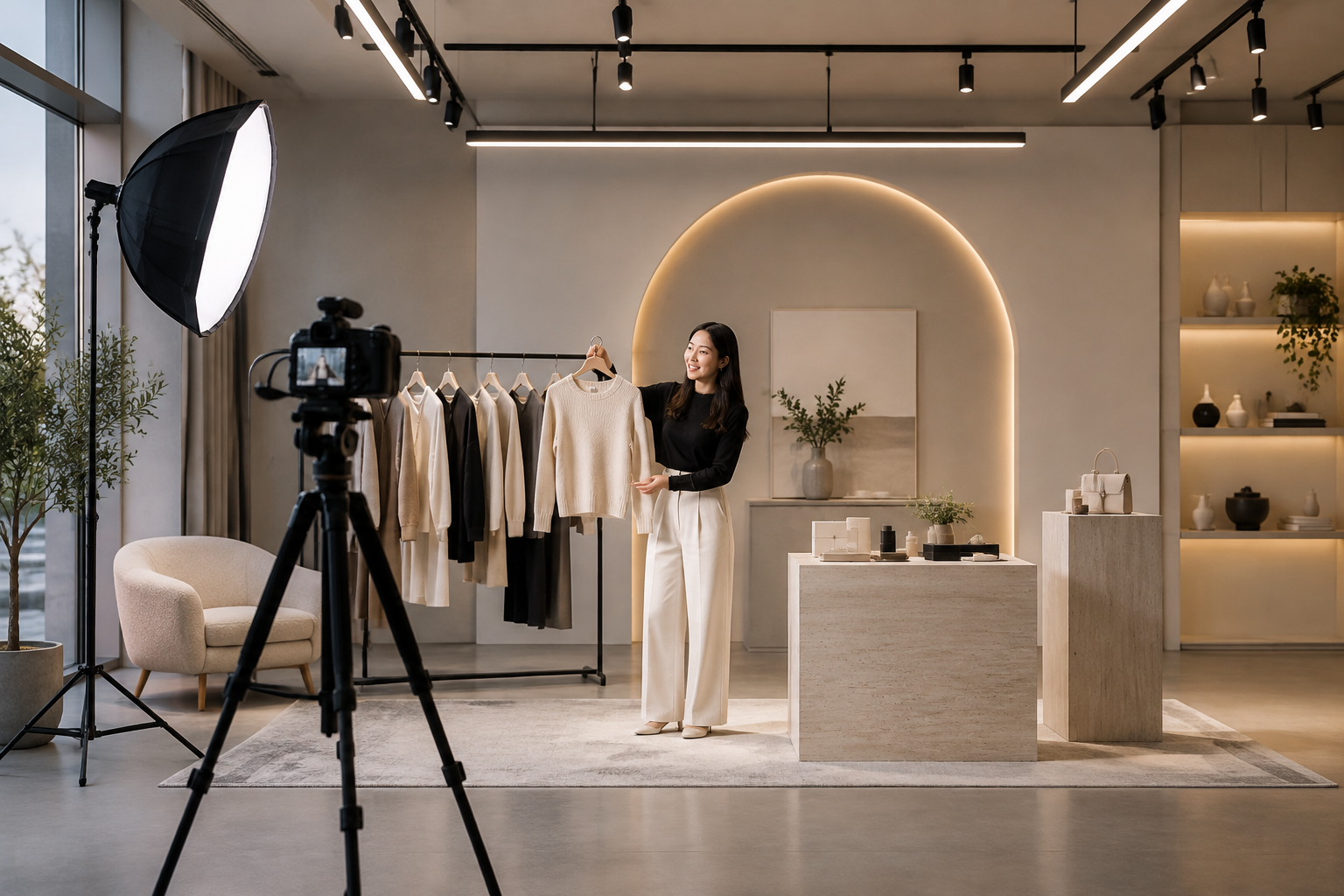
At XHLWX (led-project-light.com), a Custom Indoor LED Lighting Manufacturer based in China, we see a surge in demand for professional-grade broadcast and livestreaming spaces, from major television networks to e-commerce startups. The primary design challenge is that modern digital cameras perceive light very differently from the human eye. Standard commercial lighting, while adequate for office work, often produces unacceptable flicker, color banding, and poor skin tone rendering on camera. This creates a critical need for specialized luminaires engineered specifically for video acquisition, addressing metrics like the Television Lighting Consistency Index (TLCI) and high-frequency dimming to ensure a flawless on-screen image.
Lighting Criteria and Standards for Camera-Ready Applications
Camera-ready lighting must meet stringent criteria far beyond basic visual comfort. While standards like EN 12464-1 govern lighting for human occupants in control rooms, the luminaires illuminating the talent and products are governed by the technical requirements of cameras and broadcast standards. Key parameters include illuminance levels, high color fidelity (CRI, TLCI, TM-30), and the complete absence of perceptible flicker during dimming or at various camera shutter speeds. Achieving a professional result depends on specifying luminaires that are designed and tested against these demanding broadcast metrics, not just general lighting standards. The table below outlines a recommended specification for high-performance studio lighting.
| Parameter | Recommended Specification | Standard / Method | Notes |
|---|---|---|---|
| Color Quality (TLCI) | > 95 | EBU R 137 | The critical broadcast metric; ensures minimal color correction in post-production. |
| Color Quality (CRI / TM-30) | Ra > 97, Rf > 95, Rg ≈ 100 | CIE S 026/E:2018 | High CRI and TM-30 values indicate superior color rendering for both eye and camera. |
| Correlated Color Temperature (CCT) | Tunable White: 2700K – 6500K | ANSI C78.377 | Allows matching daylight, tungsten sources, or creating specific moods without gels. |
| Flicker Performance | < 1% at 100Hz/120Hz | IEEE Std 1789-2015 | Must be flicker-free to the camera sensor across the entire dimming range (1-100%). |
| Control Protocol | DALI-2 (IEC 62386) or Casambi | IEC 62386 / Bluetooth SIG | DALI-2 for robust wired control; Casambi for flexible wireless solutions. |
| Glare Rating (Control Rooms) | UGR < 19 | EN 12464-1:2021 | Important for operator comfort in adjacent control booths and editing suites. |
| LED Chip / Driver Brands | Osram, Bridgelux, Samsung LEDs; Tridonic, Mean Well drivers | Manufacturer Spec | Using Tier-1 components is crucial for long-term performance and reliability. |
| Certifications | CE, RoHS, ErP, ISO 9001 | EU Directives / ISO | Essential for market access in EU/US/ME and ensures safety, quality, and efficiency. |
Luminaire Selection and Optics
Selecting the correct luminaire type is crucial for creating a flexible, high-quality lighting plot. Unlike office lighting which prioritizes broad, uniform illumination, studio lighting is about control, shaping, and layering. The classic three-point lighting setup (key, fill, backlight) requires different tools for each role. Soft panels provide a large, diffuse source for flattering key and fill light. Track-mounted spotlights offer precise, punchy beams for backlighting, hair lights, or highlighting products. Linear fixtures can be used for washing cyclorama walls or providing a base ambient level. The choice depends entirely on the desired artistic effect and the flexibility required by the studio's production schedule.
Comparison of Studio Luminaire Types
| Luminaire Type | Primary Application | Pros | Cons | Verdict |
|---|---|---|---|---|
| LED Soft Panel | Key Light, Fill Light | Excellent diffusion, flattering on skin, wide & even coverage. | Can be bulky, less precise beam control than hard lights. | Essential. The workhorse for illuminating people in any professional studio or livestream setup. |
| LED Track Spotlight | Backlight, Hair Light, Accent | Highly directional, precise control, easily repositionable on tracks. | Can create harsh shadows if used as a primary key light without diffusion. | Highly Recommended. Provides the critical separation and depth needed for a three-dimensional look. |
| High-Output Linear LED | Cyclorama/Wall Washing | Creates smooth, even gradients of light or color on backgrounds. | Not suitable for lighting talent directly; specialized application. | Situational. A must-have for green screen work or studios with permanent cyclorama walls. |
| LED Fresnel | Key Light, Spot Light | Sharp beam control with adjustable focus (spot to flood), high punch. | Heavier, more expensive, can produce harsher shadows than soft panels. | Specialized. Best for theatrical applications or when a long throw and sharp-cut beam is needed. |
How Do You Achieve Flicker-free Dimming for High-speed Cameras?
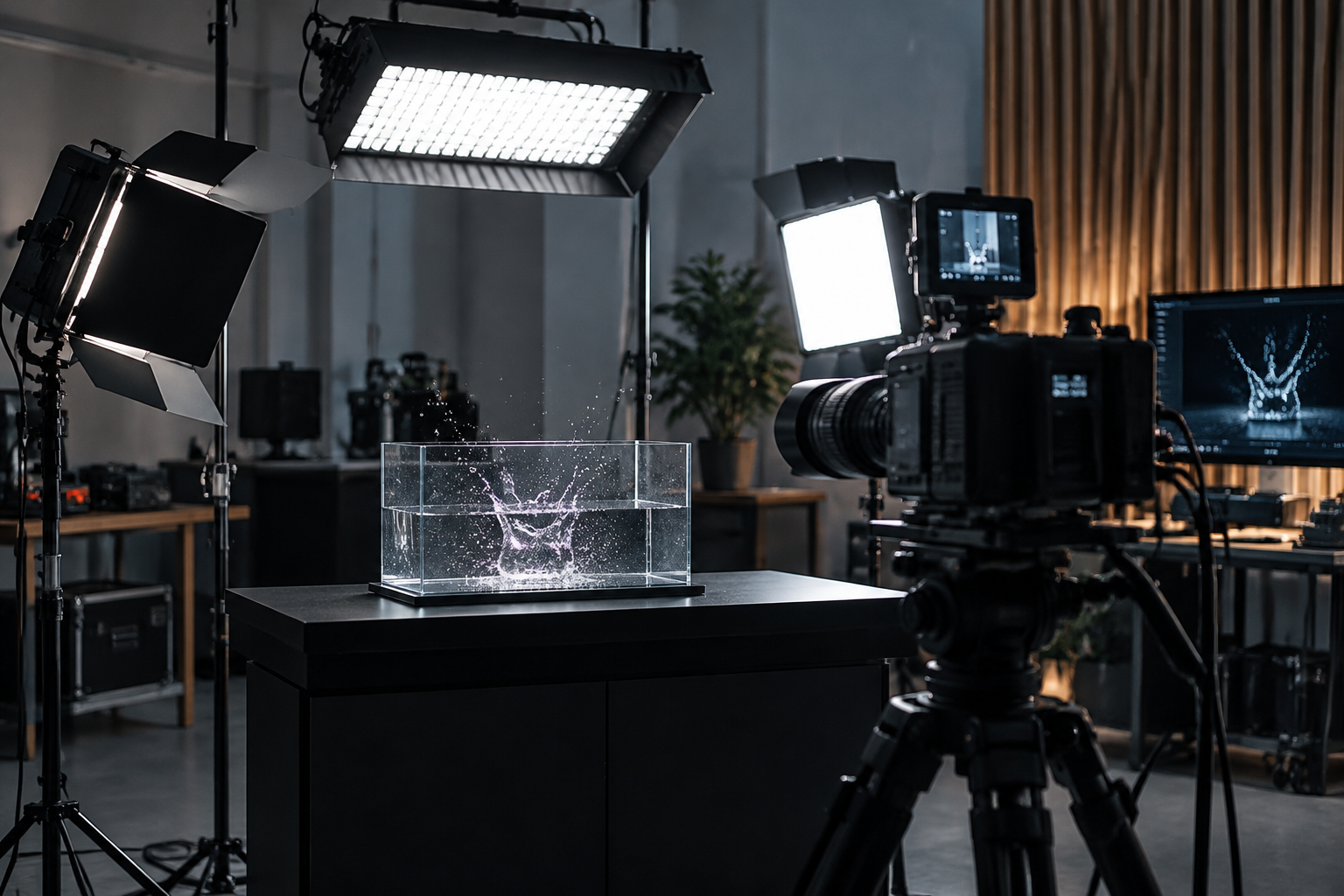
Achieving flicker-free performance requires specific driver technology and control protocols. The root cause of flicker is often low-frequency Pulse Width Modulation (PWM), where the LED is rapidly switched on and off to control brightness. While invisible to the eye, this creates banding artifacts with camera shutters. The solution is to use high-quality drivers that employ either Constant Current Reduction (CCR) or a very high PWM frequency (>30,000 Hz), placing it far beyond the camera's sensing capability. Protocols like DALI-2 further enhance this by standardizing dimming curves, ensuring smooth, predictable, and flicker-free dimming from 100% down to 0.1%.
What Is the Difference Between CRI, CQS, and TLCI in Video Lighting?
While related, CRI, CQS, and TLCI measure different aspects of light quality for distinct applications. The Color Rendering Index (CRI) was developed to quantify how accurately a light source renders colors for the human eye and is insufficient for video. The Color Quality Scale (CQS) is an updated but less-adopted metric. The Television Lighting Consistency Index (TLCI), defined by EBU R 137, is the industry standard for broadcast. It specifically measures how a camera sensor will perceive colors and calculates the correction required to make them appear natural. For professional video, a luminaire with a TLCI score above 95 is considered excellent, minimizing work in post-production.
Why Is Tunable White CCT Important for Studio Environments?
Tunable white fixtures provide essential creative flexibility and technical consistency in studio lighting. Their primary benefit is the ability to adjust the Correlated Color Temperature (CCT) of the light, typically from a warm 3200K (matching legacy tungsten) to a cool 5600K (matching daylight). This allows a lighting director to seamlessly blend artificial light with ambient daylight from windows, or to shift the mood of a scene from warm and intimate to cool and clinical. Crucially, high-specification tunable white luminaires maintain a high TLCI and consistent output across their entire CCT range, providing versatility without compromising on-camera quality.
 Studio & Livestream Lighting 2026: A TLCI Flicker-Free Guide: How do you achieve flicker-free dimming for high-speed cameras?
Controls, Energy, and Commissioning
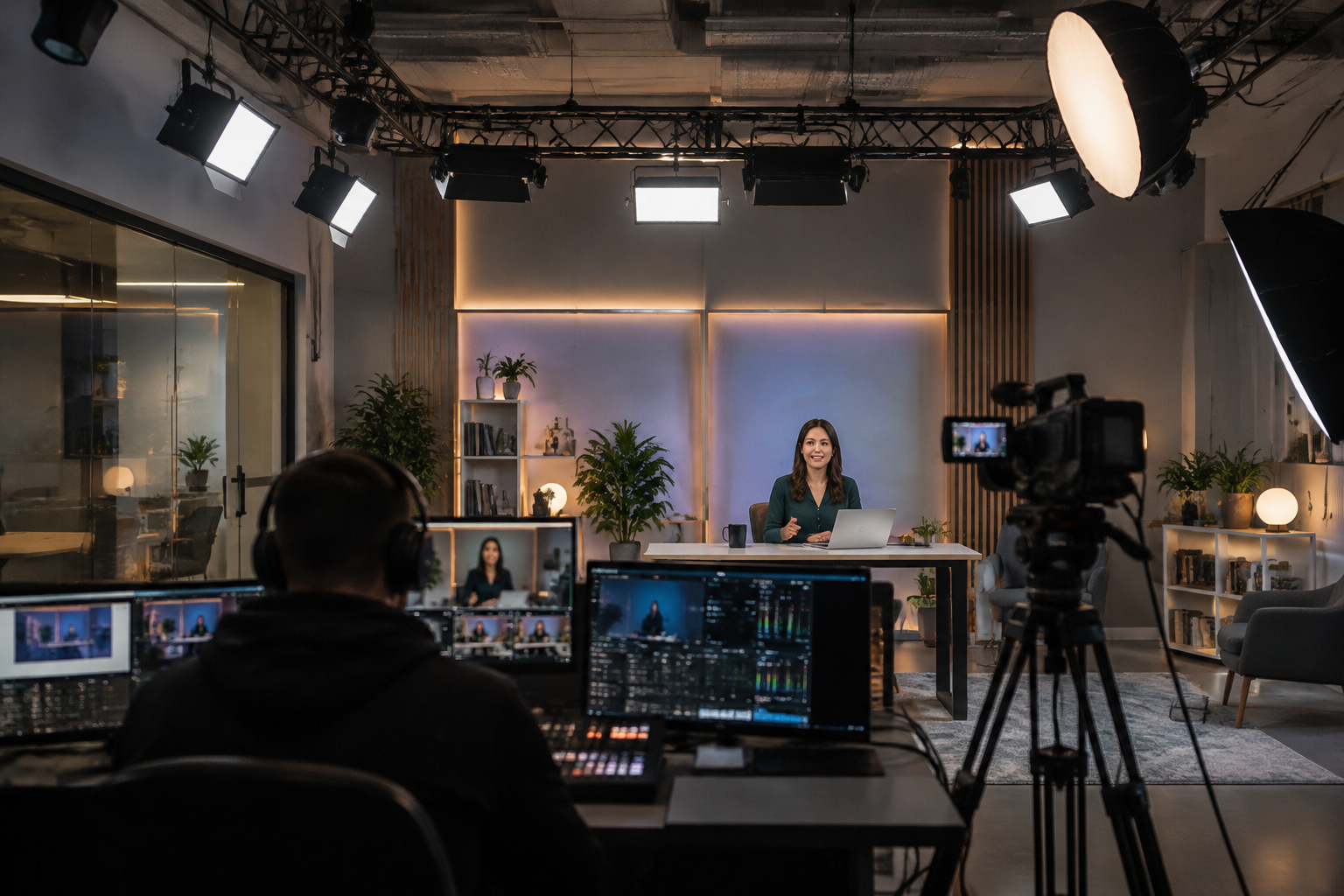
A modern control system is the brain of a flexible and efficient studio lighting installation. For professional studios, DALI-2 (Digital Addressable Lighting Interface) is the gold standard for wired control. Its addressable nature allows for individual or group control of every fixture, enabling the creation and instant recall of complex lighting scenes for different shows or segments. DALI-2 ensures interoperability between components from different manufacturers and provides diagnostic feedback. For smaller studios, e-commerce rooms, or retrofits where new wiring is impractical, wireless mesh systems like Casambi offer powerful, app-based control with impressive flexibility. Commissioning is the final, critical step where a technician configures addresses, sets dimming curves, and programs scenes to deliver the lighting designer's vision.
Photometric Files & Compliance
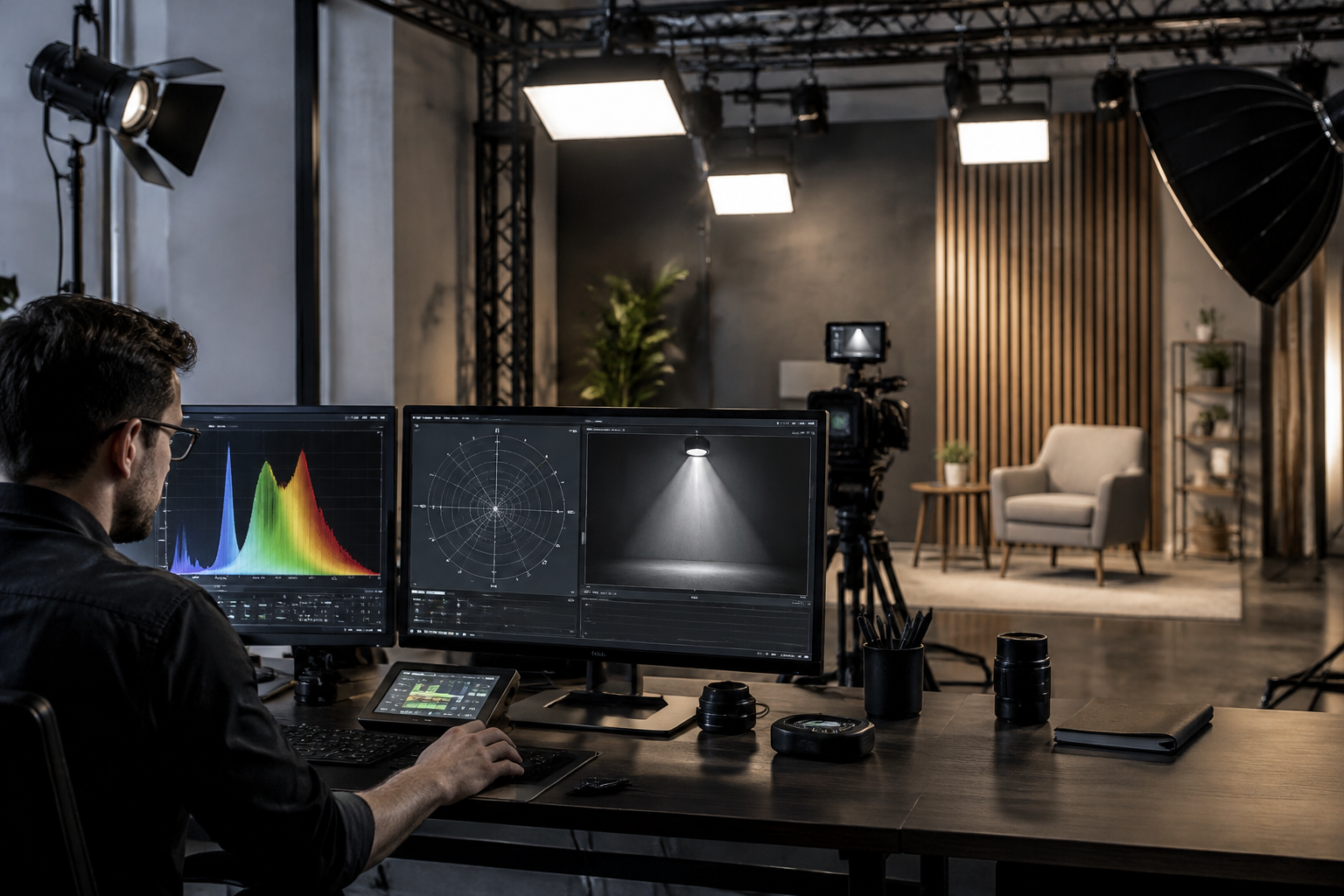
Verified photometric data and compliance certification are non-negotiable for professional lighting projects. Before purchasing any fixtures, a lighting designer must be able to model their performance. We provide comprehensive IES and LDT photometric files for all our luminaires, which contain detailed data on their light distribution. This data is imported into industry-standard planning software like DIALux to create a complete 3D simulation of the studio. This simulation allows designers to accurately predict illuminance levels (lux), uniformity, and beam patterns, ensuring the design meets technical requirements before a single fixture is installed. Furthermore, all products must carry certifications appropriate for the region of installation, such as CE, RoHS, and ErP for the European market, demonstrating compliance with safety, environmental, and energy efficiency regulations.
 Studio & Livestream Lighting 2026: A TLCI Flicker-Free Guide: Photometric Files & Compliance
Frequently Asked Questions
Q: What Is the Minimum TLCI Score Recommended for a Professional Livestream Setup?
For any professional application, a Television Lighting Consistency Index (TLCI) score of 95 or higher is the recommended target. While fixtures with a TLCI between 90-95 are usable, they may require some color correction in post-production. A score above 95 ensures that skin tones and product colors are rendered accurately by the camera, saving significant time and effort in the editing process. Anything below 90 is not recommended for professional video work.
Q: Can I Use Standard Office LED Panels for a Video Studio?
No, this is highly discouraged for several reasons. Standard office panels typically have a low CRI/TLCI (often around 80), which results in poor color rendering on camera. More importantly, they often use low-frequency PWM dimming (a few hundred Hz) that creates severe flicker and banding with most camera shutter speeds. Professional studio lights use specialized drivers with flicker-free technology and have a TLCI well above 95 to ensure broadcast-quality results.
Q: Is DALI-2 or Casambi Better for Studio Lighting Control?
The choice depends on the studio's scale and infrastructure. DALI-2 is a robust, wired protocol ideal for new builds and large, complex studios requiring granular, reliable control and diagnostics for hundreds of fixtures. Casambi is a wireless Bluetooth mesh system, making it perfect for smaller studios, retrofits where running new control wires is difficult, or when fast, flexible setup via a tablet or smartphone is a priority. Both can achieve excellent dimming results with the right luminaires.
Q: How Many Lux Do I Need for a Typical Three-point Lighting Setup?
There's no single answer, as it depends on your camera's ISO, aperture, and shutter speed settings. However, a common design target is to have the key light provide 800-1000 lux on the subject's face. The fill light would then be set to 400-500 lux (a 2:1 ratio), and the backlight might be around 600-750 lux. These levels provide ample light for most professional cameras to operate at a low, clean ISO.
Sources and Technical References
- EBU R 137: Television Lighting Consistency Index (TLCI)
- EN 12464-1:2021: Light and lighting — Lighting of work places — Part 1: Indoor work places.
- IEEE Std 1789-2015: Recommended Practices for Modulating Current in High-Brightness LEDs for Mitigating Health Risks to Viewers.
- WELL Building Standard v2: Light Concept, Feature L07 (Flicker).
- IEC 62386: Digital Addressable Lighting Interface (DALI).
 Studio & Livestream Lighting 2026: A TLCI Flicker-Free Guide: Q: Is DALI-2 or Casambi better for studio lighting control?
Request a Custom Quote
Designing a lighting system for broadcast or livestreaming requires a deep understanding of both lighting science and camera technology. The wrong choice can compromise every piece of content produced in the space. To ensure your project succeeds, you need luminaires engineered for the task. At XHLWX (led-project-light.com), a Custom Indoor LED Lighting Manufacturer based in China, we specialize in developing luminaires that meet the exacting demands of broadcast and digital media. Contact our solutions team to discuss your project and request a custom quote for flicker-free, high-TLCI LED lighting solutions.
Need a tailored lighting plan for your project?
Our senior lighting designers reply within 48 hours with a free design proposal & quotation.