Progettazione Illuminazione Scuole 2026: Guida per Aule, Palestre e DALI
Perché questa guida è diversa? Internet è pieno di consigli generici sull'illuminazione scolastica. Questa non lo è. Abbiamo passato gli ultimi 90 giorni a raccogliere e analizza...
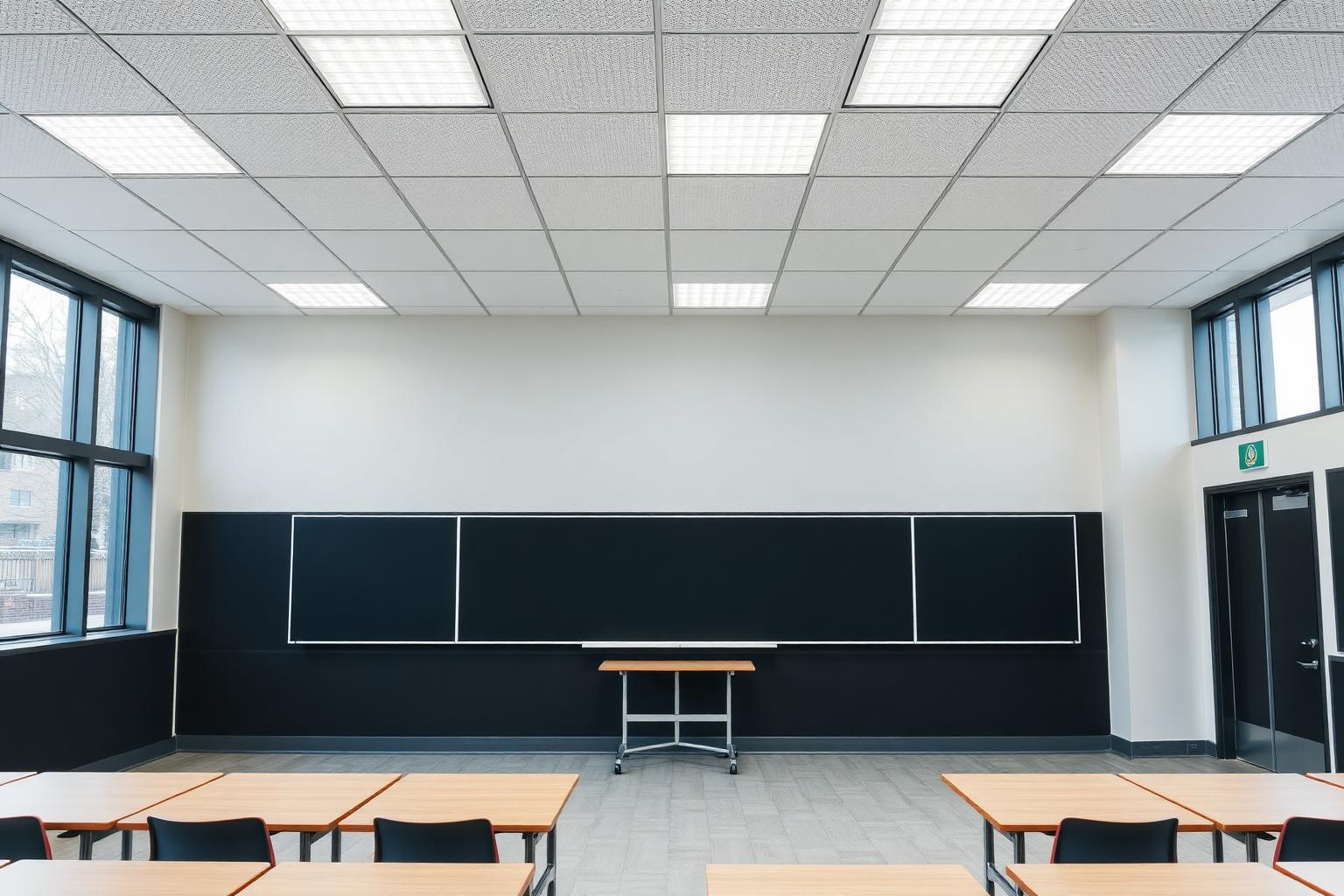
Questa guida definitiva è rivolta ai professionisti che stanno plasmando il futuro degli ambienti educativi: lighting designer, facility manager scolastici, consulenti M&E, architetti e specificatori in tutta Europa e Nord America.
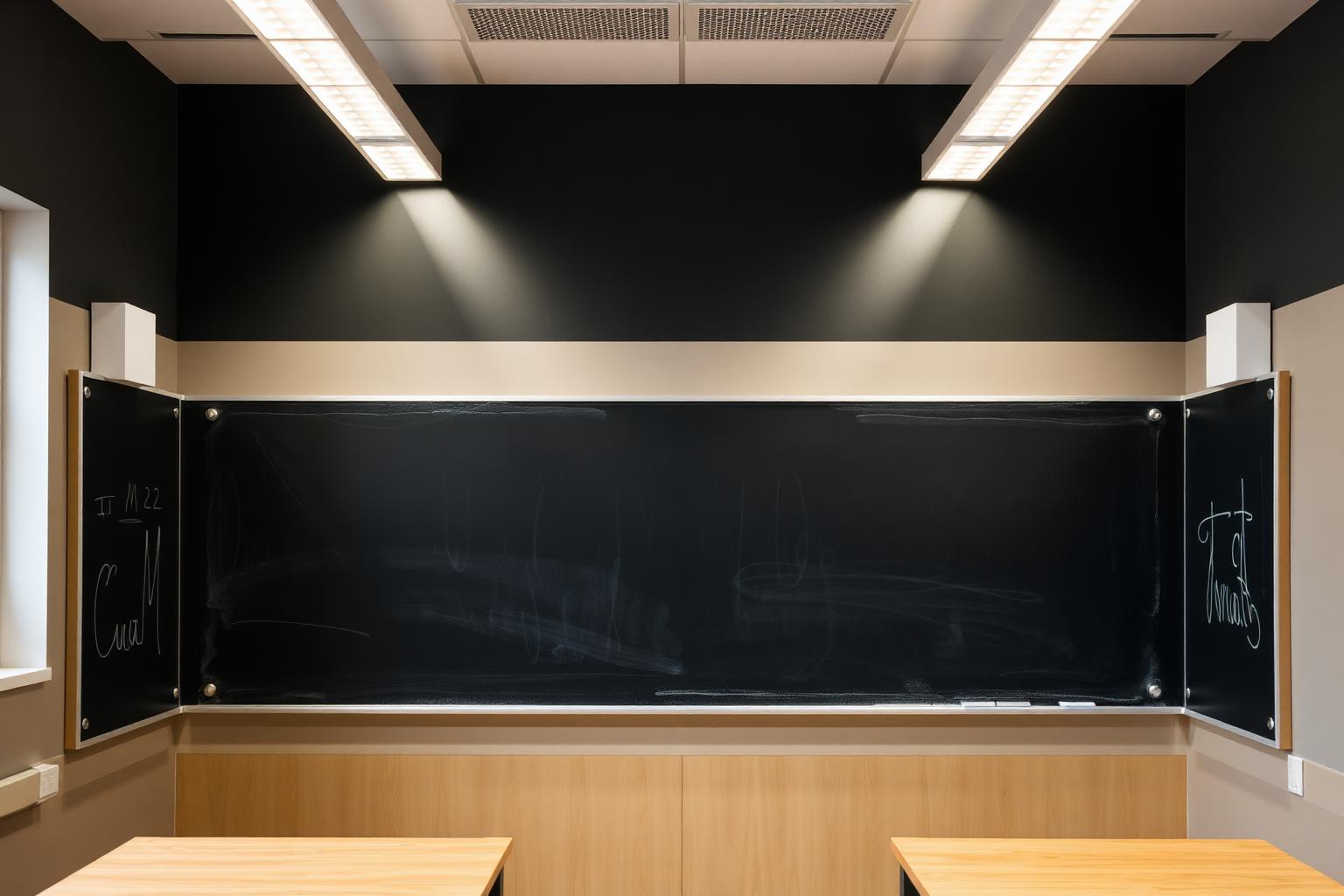
Perché questa guida è diversa? Internet è pieno di consigli generici sull'illuminazione scolastica. Questo non è uno di quelli. Abbiamo passato gli ultimi 90 giorni a raccogliere e analizzare discussioni dalle prime linee — forum Reddit per insegnanti, thread Quora di facility manager e newsletter Substack di architetti dell'educazione. Abbiamo individuato le 8 lamentele più persistenti e reali sull'illuminazione nelle scuole oggi. Questo articolo è la risposta ingegneristica definitiva. Ogni sezione affronta un problema reale e fornisce una soluzione granulare, basata su prove, utilizzando specifiche, apparecchi e strategie di controllo pronte per il 2026. Questa è l'analisi tecnica approfondita che stavi cercando.
Parte 1 — Il Sistema di Illuminazione Scolastica 2026: Un Quadro Olistico
L'era di inondare semplicemente un'aula di luce con semplici troffer 2x4 è finita. Un sistema di illuminazione scolastica moderno ed efficace è un ecosistema stratificato e intelligente progettato attorno ai risultati umani: concentrazione degli studenti, benessere degli insegnanti ed efficienza operativa. Andando oltre i livelli di illuminamento di base, la specifica 2026 si concentra sulla qualità della luce, sul suo impatto biologico e sulla sua perfetta integrazione nel sistema di gestione dell'edificio.
Questo sistema olistico è costruito su quattro distinti strati di luce, sostenuti da un rigoroso insieme di metriche di qualità che affrontano direttamente le lamentele comuni su abbagliamento, mal di testa e scarsa visibilità.
I Quattro Strati dell'Illuminazione Scolastica:
- Strato Ambientale: La fonte primaria di illuminazione generale. Questa è tipicamente fornita da pannelli incassati, apparecchi lineari sospesi o luci high bay. L'obiettivo è creare un livello di luce di base uniforme e confortevole in tutto lo spazio, soddisfacendo gli obiettivi di illuminamento orizzontale stabiliti da standard come la EN 12464-1 (ad esempio, 300 lux per le aree generali delle aule).
- Strato di Compito: Luce direzionata ad alte prestazioni per attività specifiche. L'esempio più critico è l'illuminazione asimmetrica a parete per lavagne e lavagne bianche, che fornisce 500 lux di illuminamento verticale. Altri esempi includono l'illuminazione dedicata sopra i banchi dei laboratori scientifici o nelle postazioni di lettura delle biblioteche. Questo strato risolve il problema del "non riesco a vedere i dettagli".
- Strato d'Accento: Utilizzato per evidenziare caratteristiche architettoniche, opere d'arte degli studenti o vetrine di trofei. Sebbene meno comune nelle aule standard, svolge un ruolo vitale nella creazione di un ambiente accogliente e coinvolgente in atri, corridoi e biblioteche.
- Strato di Emergenza: Un sistema critico per la sicurezza delle persone. Le moderne soluzioni LED integrano driver di emergenza e pacchi batteria direttamente negli apparecchi ambientali. Ciò garantisce percorsi di uscita chiari e sicuri durante un'interruzione di corrente, soddisfacendo tutti i requisiti del codice locale con batterie di backup da 90 minuti o 3 ore e capacità di auto-test.
Specifiche di Qualità di Base per il 2026 e Oltre
Ogni apparecchio specificato in un progetto scolastico del 2026 deve soddisfare un livello di prestazioni che dia priorità alla salute umana e al comfort visivo. Questi non sono "optional"; sono le soluzioni tecniche ai reclami più frequenti degli utenti.
- Temperatura di Colore Correlata (CCT): Il valore predefinito non è più una CCT statica. Il bianco dinamico per aule è il nuovo standard, che tipicamente varia da 3000K (caldo, rilassante per l'ingresso mattutino o il lavoro tranquillo) a 5000K (freddo, stimolante per esami o compiti focalizzati). Questo si allinea con i principi dello WELL v2 Building Standard sulla progettazione dell'illuminazione circadiana, aiutando a regolare i cicli sonno-veglia di studenti e insegnanti. Per spazi con CCT statica come corridoi o uffici, 4000K fornisce un bianco pulito e neutro.
- Indice di Resa Cromatica (CRI, R9): I LED economici con un CRI di 80 rendono i colori in modo impreciso, una lamentela costante da parte degli insegnanti di arte e scienze. La base 2026 per tutti gli spazi didattici è CRI ≥ 90, garantendo che i colori appaiano veri e vibranti. Fondamentalmente, la specifica deve includere anche R9 > 50. R9 misura la capacità dell'apparecchio di rendere i rossi profondi, il che è fondamentale per vedere accuratamente i toni della pelle, il cibo nella mensa e i campioni biologici in un laboratorio.
- IES TM-30-20: Una misura più completa della resa cromatica. Cerchiamo un indice di fedeltà di Rf ≥ 90 (simile al CRI) e un indice di gamma di Rg ≈ 100 (che indica nessuna saturazione del colore innaturale). Specificare TM-30 garantisce un profilo di qualità del colore sofisticato e completo.
- Unified Glare Rating (UGR): Questa è probabilmente la metrica più importante per gli spazi accademici. L'abbagliamento da luci a soffitto scarsamente schermate è una causa primaria di mal di testa, affaticamento degli occhi e distrazione. La EN 12464-1 impone UGR < 19 per la lettura, la scrittura e il lavoro al computer. Per raggiungere questo obiettivo sono necessari apparecchi con ottiche avanzate come diffusori micro-prismatici o lamelle a celle profonde, non pannelli economici e a faccia scoperta. Questa è la specifica non negoziabile per un'aula UGR<19.
- Flicker: Il flicker invisibile è un noto fattore scatenante per emicranie, affaticamento degli occhi e può esacerbare i sintomi per gli studenti con fotosensibilità o ADHD. La vecchia metrica del "percentuale di flicker" è obsoleta. La specifica 2026 richiede la conformità agli standard moderni: Pst LM < 1 (Short-Term Light Modulation) e SVM < 0.4 (Stroboscopic Visibility Measure). Ciò richiede driver di alta qualità che siano privi di flicker per la telecamera e per l'occhio umano.
- Driver ed Efficienza: Gli standard di efficienza come ASHRAE 90.1 e DLC 5.1 Premium (in Nord America) spingono la necessità di apparecchi ad alta efficacia (≥130 lm/W). Ciò non solo riduce il consumo energetico (un requisito fondamentale per la certificazione LEED) ma riduce anche il carico termico sul sistema HVAC. I driver di Classe II dovrebbero essere specificati per una maggiore sicurezza.
Codificando questo sistema olistico e queste rigorose metriche di qualità nella specifica del progetto, i progettisti e i facility manager possono eliminare sistematicamente i problemi di illuminazione più comuni prima ancora che si presentino.
Parte 2 — Il Playbook dei 5 Spazi: Dal Reclamo alla Soluzione
La teoria è una cosa; l'applicazione è un'altra. Ecco un playbook tattico per i cinque spazi più comuni in una scuola, trasformando i reclami del mondo reale in soluzioni specificate e misurabili.
L'Aula Moderna
Il Reclamo: "Nel primo pomeriggio, gli studenti sono assonnati o saltano sui muri. Le luci fredde e dure da 6000K mi fanno venire il mal di testa alla fine della giornata."
La Scelta dell'Apparecchio: Un sistema di Pannelli LED a Bianco Dinamico UGR<19 per la luce ambientale, abbinato a un LED Asimmetrico a Parete per la lavagna. Il diffusore micro-prismatico del pannello elimina l'abbagliamento del soffitto, mentre la capacità di bianco dinamico consente all'insegnante di adattare la luce all'attività.
Specifiche Fotometriche e di Prestazione:
| Parametro | Pannello Ambientale (es. XH-PL-MP6060) | Illuminazione Lavagna (es. XH-WWA-1200) |
|---|---|---|
| Illuminamento (Medio) | 300 - 500 lux (orizzontale sui banchi) | 500 lux (verticale sulla lavagna) |
| UGR | <19 | N/A (progettato per zero visione diretta) |
| CCT | 3000K - 5000K Bianco Dinamico | 4000K (Statica) |
| CRI / R9 | ≥ 90 / > 50 | ≥ 90 / > 50 |
| Flicker | Pst LM < 1, SVM < 0.4 | Pst LM < 1, SVM < 0.4 |
| Efficacia | ≥ 130 lm/W | ≥ 110 lm/W |
| Protocollo di Controllo | DALI-2 Device Type 8 (per Bianco Dinamico) | DALI-2 o 0-10V |
Logica di Controllo: Il sistema è gestito tramite una rete DALI-2. Un multi-sensore vicino alla finestra fornisce il rilevamento di presenza e la raccolta della luce diurna a circuito chiuso, attenuando la fila di apparecchi più vicina alla finestra per mantenere un costante 500 lux sui banchi. Un controller di scena a parete offre quattro preset per l'insegnante:
- Focus (10:00 AM): 500 lux, 5000K
- Standard (Tutto il Giorno): 400 lux, 4000K
- Calma (Lettura Tranquilla): 300 lux, 3500K
- Presentazione A/V: Pannelli ambientali attenuati al 10%, illuminazione lavagna ACCESA.
Risultato Reale: Un progetto pilota in una scuola secondaria a Monaco ha riportato una riduzione del 55% del consumo energetico dell'illuminazione dopo il retrofit e un feedback qualitativo da parte degli insegnanti ha notato un "miglioramento significativo dell'attenzione degli studenti nel pomeriggio". Questo è il potere di una corretta soluzione di bianco dinamico per aule e raccolta della luce diurna DALI-2 per scuole.
Il Corridoio e la Scala
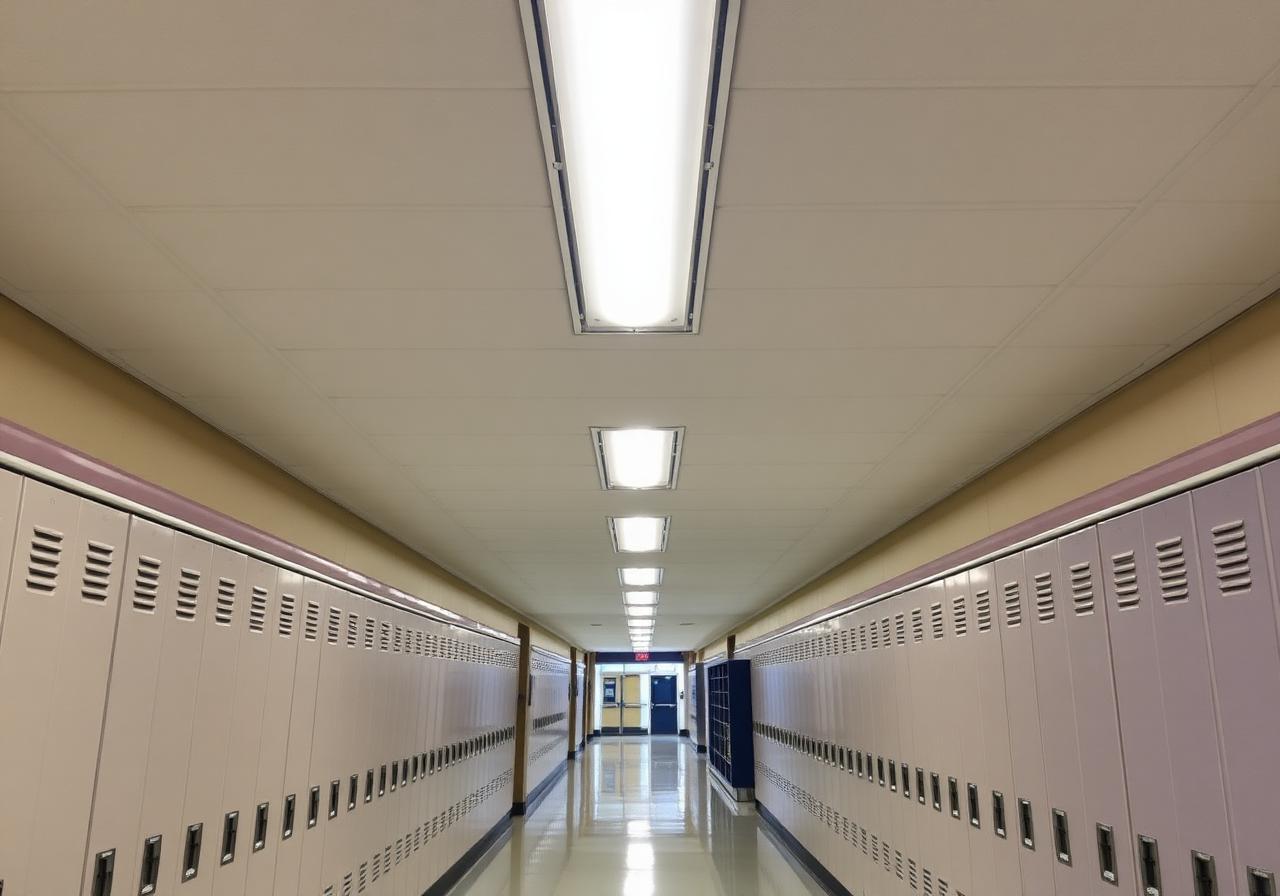
Il Reclamo: "I nostri corridoi hanno punti bui e le luci sono accese al massimo dalle 6 del mattino alle 6 del pomeriggio, anche nei fine settimana. È un enorme spreco di energia."
La Scelta dell'Apparecchio: Una robusta e ad alta efficienza Barra LED Lineare o un apparecchio lineare sospeso. Questi offrono un'eccellente uniformità e sono costruiti per resistere all'usura quotidiana di una scuola trafficata. Un requisito chiave è specificare apparecchi con sensori di presenza a microonde integrati e pacchi batteria di emergenza.
Specifiche Fotometriche e di Prestazione:
| Parametro | Barra Lineare (es. XH-BL-T812) |
|---|---|
| Illuminamento (Medio) | 200 lux (orizzontale sul pavimento) |
| Uniformità (Uo) | > 0.6 |
| CCT | 4000K (Statica) |
| CRI | > 80 (per spazi non didattici) |
| Flicker | Pst LM < 1, SVM < 0.4 |
| Efficacia | ≥ 140 lm/W |
| Protocollo di Controllo | Sensore di Presenza Integrato (ON/OFF o Dimmerazione a due livelli) |
| Emergenza | Pacco di emergenza integrato da 3 ore (auto-test) |
Logica di Controllo: La semplicità è fondamentale. Ogni apparecchio (o piccolo gruppo) esegue la propria logica. Quando il corridoio è vuoto, le luci si attenuano al 20% o si spengono. Quando uno studente o un membro del personale entra, il sensore rileva il movimento e porta le luci al 100% sicuro. Nelle aree con finestre o lucernari, un sensore di luce diurna tiene le luci spente quando i livelli ambientali sono sufficienti. Questo crea un effetto di illuminazione "seguimi" che è sia sicuro che altamente efficiente.
Risultato Reale: Un consiglio scolastico canadese che ha implementato questa strategia in 12 scuole elementari ha calcolato un risparmio energetico dell'illuminazione dei corridoi di circa il 70%, con un periodo di recupero del progetto di soli 2,2 anni.
La Palestra
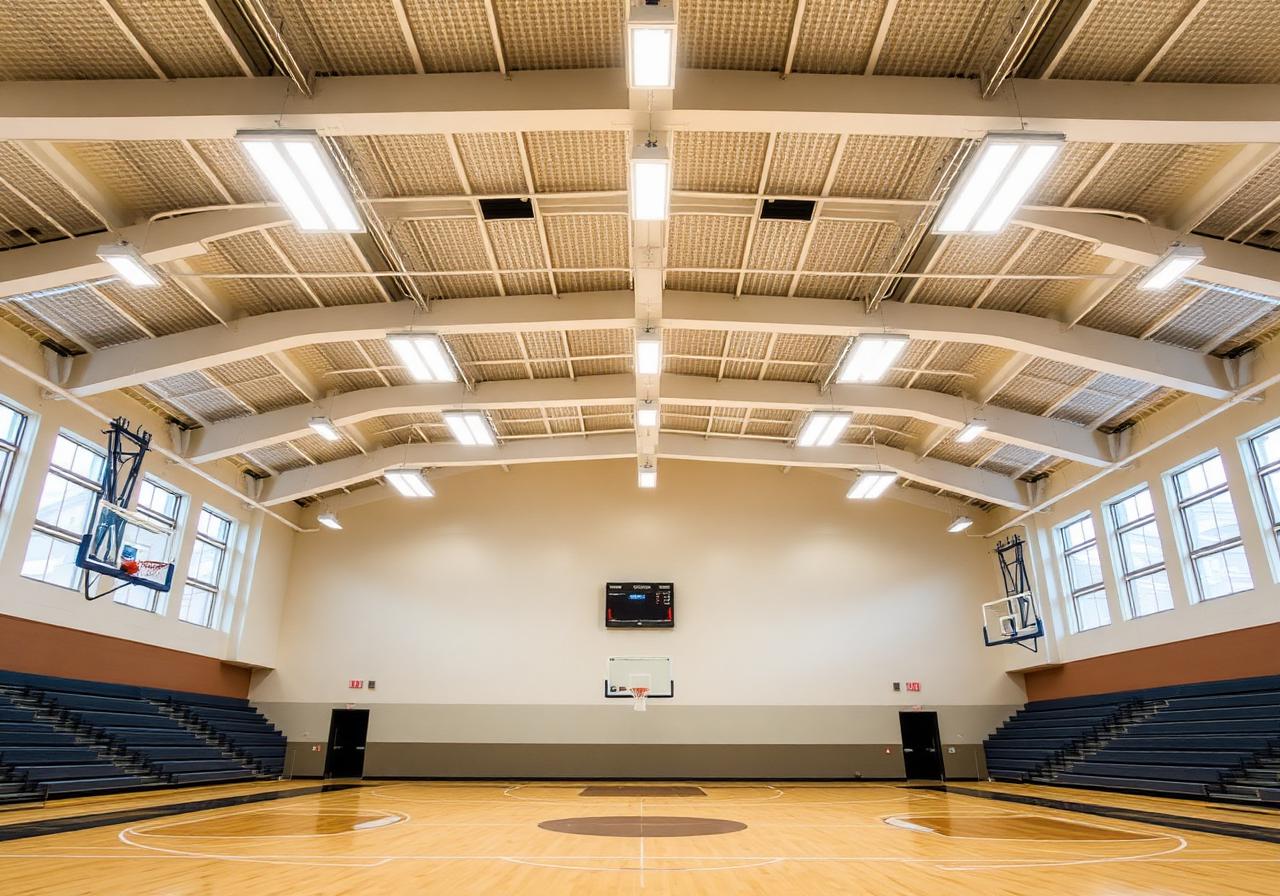
Il Reclamo: "Sostituiamo almeno tre apparecchi all'anno perché gli studenti li colpiscono con le palle da basket. La luce è anche molto irregolare ed è difficile seguire la palla quando sale in alto."
La Scelta dell'Apparecchio: Un High Bay LED con classificazione IK10 appositamente costruito con una griglia di protezione o una robusta lente in policarbonato. La classificazione IK10 è cruciale: significa che l'apparecchio può resistere a un impatto di 20 joule, equivalente a una massa di 5 kg lasciata cadere da 400 mm. Una scelta di angoli del fascio (60°/90°/120°) è essenziale per ottenere un'elevata uniformità anche con soffitti alti.
Specifiche Fotometriche e di Prestazione:
| Parametro | High Bay per Palestra (es. XH-HB-UFO200W) |
|---|---|
| Illuminamento (Medio) | 500 lux (orizzontale) / 300 lux (verticale a 1,5 m) |
| Uniformità (Uo) | > 0.7 (critico per gli sport con la palla) |
| CCT | 5000K (bianco luce diurna per attenzione e visibilità) |
| CRI | > 80 |
| Abbagliamento | Corretta pianificazione DIALux per minimizzare l'abbagliamento per giocatori/spettatori |
| Ingresso / Impatto | IP65 (resistente a polvere/acqua) / IK10 (resistente agli urti) |
| Protocollo di Controllo | Dimmerazione 0-10V o DALI, con interruttori a parete a zone |
Logica di Controllo: Un high bay per palestra scolastica richiede un controllo semplice e a zone. Una configurazione tipica utilizza una tastiera per attivare diverse scene:
- Competizione Completa: Tutte le luci al 100%.
- Allenamento: Campo centrale al 100%, perimetro al 50%.
- Assemblea/Eventi: Tutte le luci attenuate al 30%.
- Pulizia: Una singola fila di luci al 100%. I controlli wireless come Casambi sono eccellenti per i retrofit, evitando la necessità di nuovi cablaggi di controllo.
Risultato Reale: Dopo un aggiornamento dell'high bay per palestra scolastica, il direttore atletico di una scuola superiore statunitense ha notato zero guasti agli apparecchi nel primo anno e ha affermato che gli allenatori hanno riferito che i loro giocatori potevano "seguire la traiettoria di pallavolo e pallacanestro molto più facilmente contro il soffitto".
Il Laboratorio Scientifico
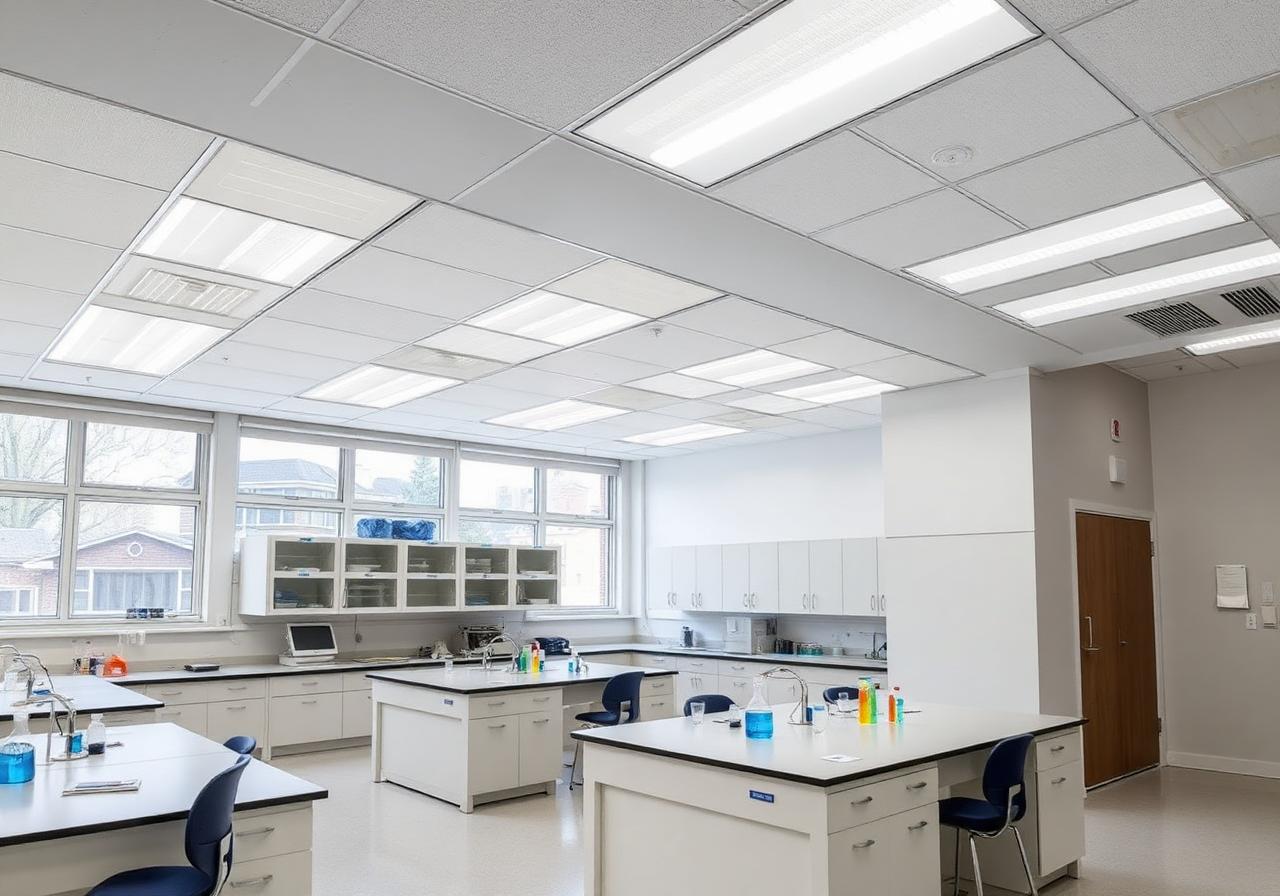
Il Reclamo: "Durante le titolazioni, i miei studenti non riescono a vedere con precisione il sottile cambiamento di colore nella beuta. L'illuminazione non è abbastanza buona per lavori dettagliati."
La Scelta dell'Apparecchio: Un Pannello LED con classificazione IP44 ad alta potenza e alto CRI o un apparecchio lineare sospeso. La chiave è fornire un illuminamento più elevato (750 lux) direttamente sui banchi di lavoro mantenendo un basso abbagliamento (UGR<19). La classificazione IP fornisce protezione contro gli schizzi e un'elevata resa cromatica è non negoziabile.
Specifiche Fotometriche e di Prestazione:
| Parametro | Luce a Pannello per Laboratorio (es. XH-PL-MP6060-HCRI) |
|---|---|
| Illuminamento (Medio) | 750 lux (sui banchi) / 500 lux (generale) |
| UGR | <19 |
| CCT | 4000K o 5000K (Statica) |
| CRI / R9 | ≥ 90 / > 50 (Essenziale per chimica/biologia) |
| Flicker | Pst LM < 1, SVM < 0.4 |
| Protezione Ingresso | IP44 (minimo, a prova di schizzi da tutte le direzioni) |
| Protocollo di Controllo | 0-10V o DALI dimmerazione |
Logica di Controllo: Il controllo del laboratorio può essere semplice. Un semplice dimmer a parete consente all'istruttore di regolare i livelli di luce. Un sensore di presenza assicura che le luci si spengano quando il laboratorio è vuoto. L'investimento primario qui è nella qualità della luce (CRI/R9) e nella quantità (750 lux) sull'area di lavoro, non in schemi di controllo complessi.
Risultato Reale: Un dipartimento di chimica universitario che ha aggiornato l'illuminazione a CRI 90+, 750 lux ha riportato una misurabile diminuzione degli esperimenti rovinati e un maggiore coinvolgimento degli studenti durante i laboratori pratici.
La Biblioteca / Centro Media
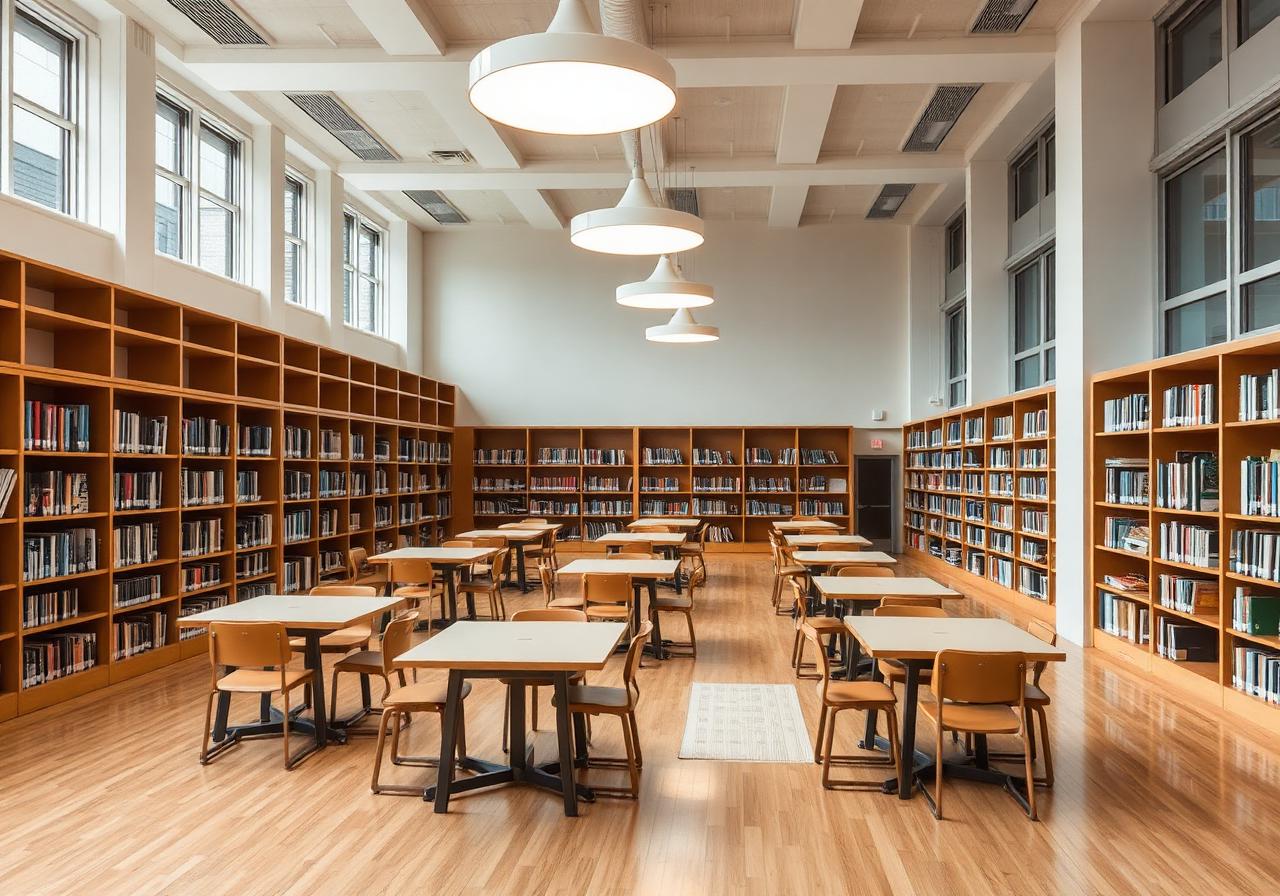
Il Reclamo: "La nostra biblioteca sembra dura e clinica come un ospedale. Gli studenti non vogliono passarci del tempo; prendono solo un libro e se ne vanno."
La Scelta dell'Apparecchio: Una miscela di apparecchi per creare un ambiente più invitante e stratificato. Luci a Sospensione Decorative o lineari sospese a basso profilo sopra i tavoli di lettura creano un senso di luogo. Per gli scaffali, vengono utilizzati apparecchi lineari asimmetrici appositamente costruiti per illuminare i dorsi dei libri verticalmente dall'alto verso il basso.
Specifiche Fotometriche e di Prestazione:
| Parametro | Lampade a Sospensione / Lineari per Tavoli di Lettura | Illuminazione Scaffali (Pile) |
|---|---|---|
| Illuminamento (Medio) | 500 lux (orizzontale, sui tavoli) | 200 lux (verticale, sugli scaffali) |
| CCT | 3500K (neutro caldo per il comfort) | 4000K (per testo chiaro) |
| UGR | <19 | <19 |
| CRI / R9 | ≥ 90 / > 50 | > 85 |
| Flicker | Pst LM < 1, SVM < 0.4 | Pst LM < 1, SVM < 0.4 |
| Protocollo di Controllo | DALI o Casambi school mesh wireless | Collegato alla stessa rete di controllo |
Logica di Controllo: Una rete wireless Casambi school è l'ideale qui. I sensori di presenza in ogni zona (area di lettura, scaffali, reception) attenuano le luci a un accogliente 30% quando vuote e le portano al 100% all'arrivo. Questa "inattività intelligente" consente un notevole risparmio energetico senza che lo spazio sembri mai completamente buio o poco invitante. Può anche essere programmata una scena per la pulizia dopo l'orario di chiusura.
Risultato Reale: Un'accademia nel Regno Unito ha rinnovato la sua biblioteca con questo approccio stratificato e ha registrato un aumento del 40% nell'utilizzo dello spazio da parte degli studenti per lo studio indipendente al di fuori dell'orario di lezione.
Parte 3 — Tendenze 2026 che Guidano la Specificazione dell'Illuminazione Scolastica
Le specifiche e le soluzioni delineate sopra non sono arbitrarie; sono il risultato di quattro potenti e convergenti tendenze nei settori dell'edilizia e dell'istruzione. Comprendere questi fattori è fondamentale per rendere a prova di futuro qualsiasi progetto di illuminazione scolastica.
1. Radicalmente Verde: Il Risparmio Energetico come Mandato
L'efficienza energetica non è più un'iniziativa "verde"; è una necessità di bilancio per i distretti scolastici che affrontano finanziamenti operativi limitati. L'illuminazione spesso rappresenta il 25-30% della bolletta elettrica di una scuola, rendendola il frutto più facile da cogliere per la riduzione dei costi.
- Regolamenti e Incentivi: Standard come ASHRAE 90.1 e la Direttiva sulla Prestazione Energetica nell'Edilizia (EPBD) europea stabiliscono limiti rigorosi sulla Densità di Potenza dell'Illuminazione (LPD), misurata in W/m² o W/ft². Programmi come DLC 5.1 in Nord America forniscono incentivi per la specifica di prodotti che soddisfano requisiti di efficienza e controllo premium.
- L'Imperativo dell'Efficacia: Un apparecchio LED con specifiche 2026 deve avere un'efficacia di almeno 130 lm/W, con prodotti premium che raggiungono 160 lm/W o più. Questo è un miglioramento di 2-3 volte rispetto ai sistemi fluorescenti tradizionali.
- Matematica del ROI: Il caso aziendale è innegabile. Consideriamo un'aula con dieci vecchi troffer fluorescenti che utilizzano 80W ciascuno (800W totali). Un moderno sostituto LED potrebbe utilizzare dieci pannelli da 30W (300W totali). Se le luci funzionano 10 ore/giorno, 200 giorni/anno, si tratta di un risparmio di 1000 kWh per aula. A un prezzo medio dell'elettricità di $0.18/kWh, si risparmiano $180 all'anno per stanza. Con ulteriori risparmi derivanti dai controlli (come la raccolta della luce diurna DALI-2), il periodo di recupero per un retrofit dell'illuminazione spesso rientra tra i 18 e i 36 mesi.
2. Il Potere dell'Alta Efficacia: Meno è Meglio
Specificare apparecchi ad alta efficacia (130-160 lm/W) ha profondi benefici a cascata che vanno oltre la bolletta elettrica.
- Meno Apparecchi: Un apparecchio più efficiente produce più luce per la stessa potenza. Ciò significa spesso che un progetto illuminotecnico può raggiungere l'obiettivo di 500 lux con 8 apparecchi invece di 10, riducendo l'investimento iniziale.
- Costi di Installazione Inferiori: Meno apparecchi significano meno tempo per gli elettricisti per installare, cablare e mettere in servizio, riducendo direttamente i costi di manodopera.
- Carico HVAC Ridotto: Ogni watt di energia utilizzato da un apparecchio di illuminazione viene infine rilasciato come calore. Un vecchio sistema fluorescente in una scuola di 30 aule potrebbe generare un extra di 15 kW di calore che il sistema HVAC deve combattere. Il passaggio a LED ad alta efficacia riduce questo carico termico, portando a risparmi energetici secondari dall'aria condizionata.
3. Il Comfort Visivo come Diritto: La Guerra all'Abbagliamento (UGR<19)
Forse il cambiamento più significativo nella filosofia del design illuminotecnico è l'attenzione al comfort visivo. L'industria ora riconosce che la qualità della luce è tanto importante quanto la quantità. Il nemico principale è l'abbagliamento.
- Comprendere l'UGR: L'Unified Glare Rating (UGR) è un valore calcolato nel software di progettazione illuminotecnica (come DIALux) che predice il livello di abbagliamento da disagio da tutti gli apparecchi in un sistema da una specifica posizione dell'osservatore. Non è un attributo di un singolo apparecchio, ma dell'installazione.
- Mandati EN 12464-1: Questo standard europeo è il punto di riferimento globale per la qualità dell'illuminazione interna. La sua tabella UGR è esplicita:
- Disegno tecnico: UGR ≤ 16
- Lettura, scrittura, formazione, riunioni, lavoro al computer: UGR ≤ 19
- Industria generale, lavori artigianali: UGR ≤ 22
- Corridoi, aree di circolazione: UGR ≤ 28 Qualsiasi aula specificata oggi deve raggiungere un design aula UGR<19.
- La Tecnologia del Basso Abbagliamento: Raggiungere UGR < 19 è una sfida ottica. Richiede di allontanarsi dai diffusori piatti e lattiginosi e di orientarsi verso soluzioni avanzate:
- Diffusori Micro-prismatici: Queste lenti complesse presentano migliaia di minuscoli prismi che tagliano con precisione la luce ad alto angolo (la luce che viaggia direttamente negli occhi e causa abbagliamento), reindirizzandola verso il basso sul piano di lavoro.
- Lamelle/Deflettori a Cella Profonda: Incassare la sorgente luminosa all'interno di una griglia di deflettori (spesso neri o speculari) blocca fisicamente la luce diretta
XHLWX (Shenzhen Qihang Lighting) has delivered specification-grade LED solutions for 200+ school projects across Europe, North America, and Asia since 2008. In-house SMT, aging lab, photometric chamber; CE/RoHS/DLC/ENERGY STAR/UL certified.
Need a tailored lighting plan for your project?
Our senior lighting designers reply within 48 hours with a free design proposal & quotation.