教会照明デザイン 2026
祭壇から鐘楼まで — 2026年版 教会照明完全購入ガイド:温かみのある3000K調光可能LED、アイコンや石細工にCRI 95の高忠実度カラー...
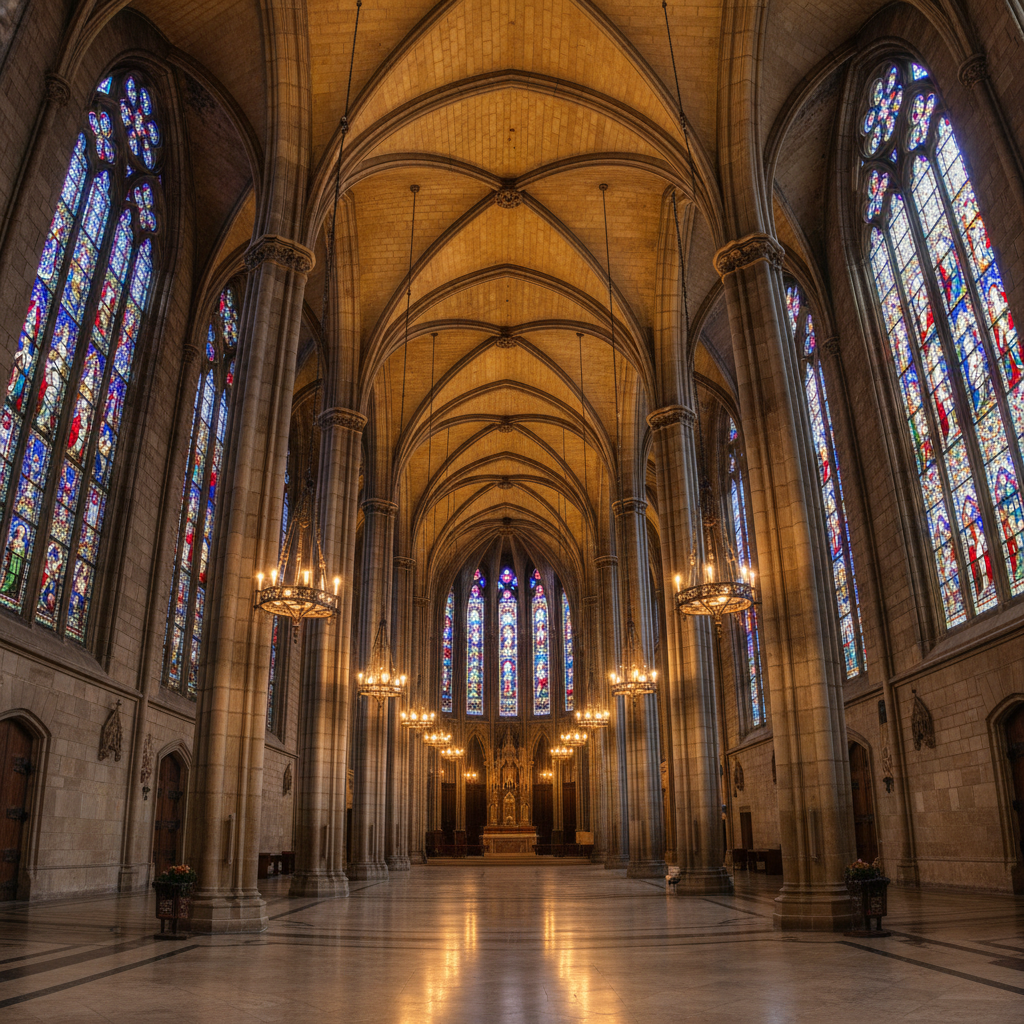
祭壇から鐘楼まで — 照明器具の種類、典礼シーン、色温度、空間ごとのデザイン、2026年のトレンド、そしてXHLWXが教区評議会にとって安全な選択である理由
TL;DR (教区評議会、教区施設管理者、歴史的建造物建築家向け) 現代の教会 — ゴシック様式、バロック様式、または現代様式 — は、8~12種類の照明器具、4~6種類の典礼シーン(ミサ/結婚式/葬儀/コンサート/清掃/夜間)、そして2~3種類の色温度(2700K~4000K)を重ね合わせることで、建築を尊重し、聖書を照らし、会衆に奉仕します。このガイドでは、完全な教会照明システム — すべての空間、すべての照明器具、すべてのプロトコル — を解説し、2026年にすべての教区が直面する9つの現実的な課題を、CRI 95+の高忠実度LED、UGR<19の防眩性、130~160 lm/Wの高効率チップ、DALI-2による典礼シーン制御、IP66の歴史的建造物対応ファサード照明、ICOMOSの歴史的建造物準拠文書で解決します。
ヒーロー — 現代の教会照明システムには4つの層があります:ヴォールトのアップライト(建築の荘厳さ)、身廊のアンビエントダウンライト(礼拝の快適さ)、祭壇のアクセント(典礼の焦点)、ステンドグラスのバックライト(神聖なスペクタクル)。これら4つすべてがDALI-2バックボーン上で動作し、聖具係がボタン1つで切り替えられる4~6の典礼シーンが設定されている必要があります。
パート1 — 現代の教会照明システムを構成するもの
オンライン上のほとんどの「教会照明」に関する記事は、「素敵なペンダントを買う」で終わっています。しかし、実際の教会 — 大聖堂、教区教会、福音派教会、現代教会 — には、照明器具、制御システム、色戦略の多層的なエコシステムが必要です。いずれかの層を省略すると、建築が消えたり、会衆が読書できなかったり、歴史的建造物の石材が不適切な照明で損傷したりする可能性があります。
1.1 すべての教会に必要な8~12種類の照明器具
| # | 照明器具の種類 | 設置場所 | 標準的な仕様 |
|---|---|---|---|
| 1 | 装飾的なシャンデリア / ペンダント | 身廊中央通路、側祭壇、ナルテックス | 3000K、調光可能、特注仕上げ |
| 2 | ヴォールト / コーブアップライト | 柱を伝ってヴォールト天井へ | 3000K、狭角非対称配光、130 lm/W |
| 3 | 防眩身廊ダウンライト | 一般会衆席 | UGR<19、CRI 90+、調光可能 |
| 4 | 調整可能なアクセントスポットライト | 祭壇、十字架、彫像、イコン、説教壇、聖櫃 | 24°/15°配光、CRI 95+、3000K |
| 5 | リニア / コーブ / ストリップLED | 後陣の裏、聖歌隊席の下、周囲のコーブ | 24V、ドットフリー、調光可能 |
| 6 | 座席 / 聖歌集読書灯 | 各座席または椅子列 | UGR<19、3000K、低グレア |
| 7 | ステンドグラスバックライト(外部) | 各窓の外側、夜間の内側からの輝き用 | IP66、RGB-Wまたは3000K |
| 8 | ファサード&鐘楼投光器 | 外部建築照明 | IP66–IP67、3000K + RGBW |
| 9 | 階段 / 通路 / 案内灯 | 入口階段、側通路、中庭 | IP65、3000K、低グレア |
| 10 | 非常口&避難誘導灯 | すべての避難経路(法規で義務付け) | EN 1838 / UL 924 認証 |
| 11 | 聖歌隊席 / オルガン作業灯 | 譜面台、オルガンコンソール | 3000K、CRI 90+、フリッカーフリー |
| 12 | 特殊用途:告解室、洗礼室、地下聖堂 | 小さな親密な空間 | 2700K、調光可能、低グレア |
一般的な600席の教区教会では、これらのカテゴリにわたって120~250個の照明器具が設置されます。1つのメーカーから調達する(4~5つの業者を混ぜるのではなく)ことで、調整コストを15~20%削減でき、教区はすべての照明器具をDALI-2で動作させる単一のドライバープラットフォームを指定できます。
1.2 典礼制御システム — 教会の頭脳
ハードウェアはシステムの一部に過ぎません。適切な典礼シーン制御がなければ、聖具係はミサの前に30個の壁スイッチを切り替えることになり、結婚式では写真家が予備電源を差し込む場所がありません。2026年の教会プロジェクトで見られる4つの制御プロトコル:
| プロトコル | 最適な用途 | 利点 | 欠点 |
|---|---|---|---|
| DALI-2 | 大聖堂、大規模教区、歴史的建造物改修 | 業界標準、双方向フィードバック、シーン完璧、BMS対応 | ゲートウェイが必要、配線が多い |
| Casambi (Bluetoothメッシュ) | 小規模教区、改修、ゲートウェイ設置スペースなし | アプリベース、ゲートウェイ不要、簡単な改修 | 石壁での範囲制限 |
| KNX | 複数建物キャンパス(教会 + 教会ホール + 学校) | 成熟した技術、HVAC/AVとの統合 | 高価、プログラミングに時間がかかる |
| 0-10V / TRIAC | 小さな礼拝堂、単一回路改修 | 安価、シンプル | シーン設定不可、フィードバックなし |
2026年の教区教会の標準: DALI-2バックボーンと、ミサ/結婚式/葬儀/コンサート/清掃/夜間の6つの典礼シーン。聖具室の壁には、分かりやすい言葉で書かれた6つのボタンがあるキーパッドを設置。XHLWXの照明器具はこれら4つすべてを標準でサポートしており、教区が後でKNX統合を追加したい場合でもSKUの変更は不要です。
1.3 空間ごとの色温度とCRI戦略
色は「万能な暖色」ではありません。優れた教会では、建築を尊重し、肌の色を美しく見せ、注意を引くために2~3種類の色温度を使用します。
| 空間 | 色温度 | CRI | 理由 |
|---|---|---|---|
| 身廊全体 | 3000K | CRI 90+ | 暖かく、厳粛で、長時間の礼拝に快適 |
| 祭壇 / 聖域アクセント | 3000K | CRI 95+、R9>90 | 祭服、イコン、金が正しく表現される |
| ヴォールト / 柱アップライト | 3000K | CRI 80+ | 暖かい石の輝き、白っぽいウォッシュではない |
| 座席読書灯 | 3000K | CRI 90+ | 聖歌集が読みやすく、目の疲れがない |
| 側祭壇 / 告解室 | 2700K | CRI 90+ | 親密で、瞑想的 |
| ステンドグラスバックライト | 3000K + RGBW | — | 夜間にガラスの色が内側に輝く |
| ファサード / 鐘楼 | 3000K + RGBWアクセント | — | 暖かく、祝祭的な柔軟性 |
| オルガン / 聖歌隊作業灯 | 3000K | CRI 90+ | 楽譜が読みやすく、グレアがない |
2026年のベストプラクティス: 身廊と祭壇には2700K~4000Kの調光可能な白色光を指定 — 夕方のミサには自動的に暖かく、朝の日光には少し涼しく。1つのSKUで、すべての典礼に対応します。
パート2 — 空間ごとの照明デザイン(教会のプレイブック)
教会の各空間には異なる典礼上の役割があります。ここでは、世界で最も照明の行き届いた教会が2026年にどのようにそれを行っているかを紹介します。
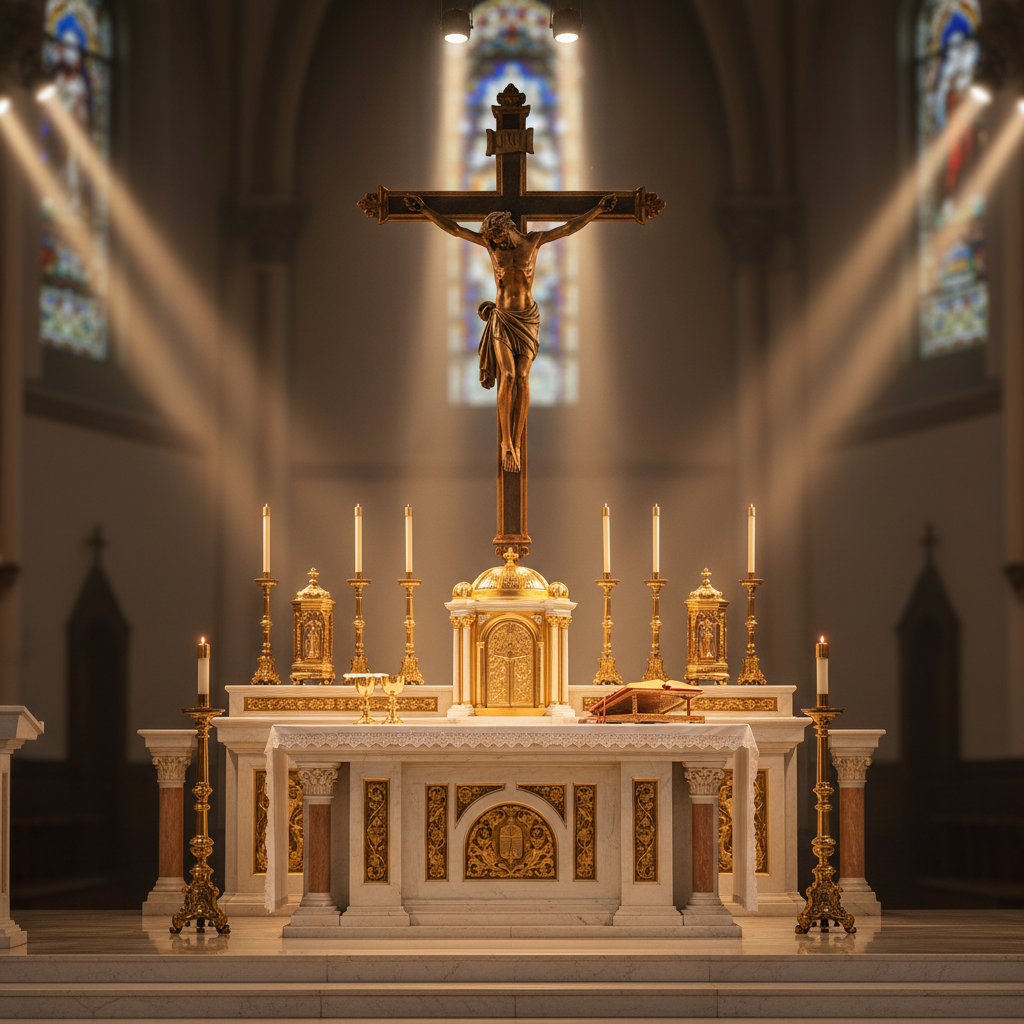
2.1 祭壇 / 聖域 — 典礼の焦点
祭壇は、礼拝者が入った瞬間に目が向くべき場所です。照明はその焦点の70%を担います。
- 多層デザイン(最低3層): 祭壇への狭角アクセント、後陣/十字架への中角ウォッシュ、後方の壁への柔らかなアップライト。
- アクセント強度: 祭壇表面で500~800ルクス、後陣で200~300ルクス。
- 色温度: 3000K、CRI 95+ R9>90 — 金箔、祭服の色、肌の色がすべて正しく表現されます。
- DALI-2シーンロジック: 「聖別」シーンは最大強度 / 「説教」は50% / 「聖体拝領」は70% — 照明デザイナーが事前にプログラムし、聖具係がボタン1つで実行します。
- 2026年のトレンド: 調整可能なフレーミングプロジェクタースポットライト。電動バーンドアを備え、足場なしで床から再調整可能 — 歴史的建造物の教会は、再調整作業ごとに4,000~8,000ユーロを節約できます。
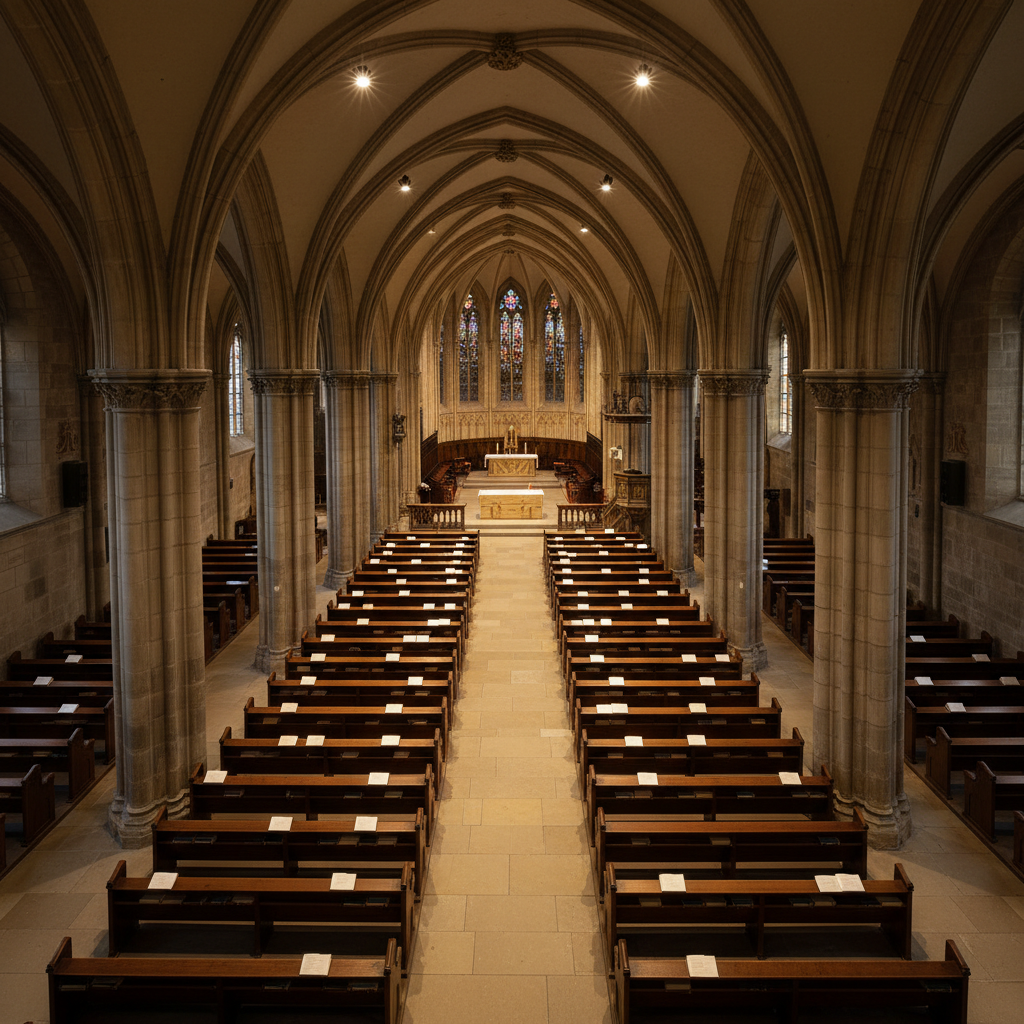
2.2 身廊 — 会衆が読み、歌い、祈る場所
身廊は最も広い空間であり、最もエネルギーを消費します。聖歌集を読む、歌う、祈る、そして司祭やステンドグラスを見上げる人をまぶしくさせない、という4つの役割を同時に果たす必要があります。
- 戦略: すべての座席にUGR<19のダウンライトを150~250ルクスで設置し、深いカップリフレクターにより、座った視線からLEDチップが見えないようにします。
- 色温度: 3000K、CRI 90+、均一な間隔(中心間2.5~3.5m)。
- 聖歌集の読書: 胸の高さで開いた聖歌集に200ルクス。これより低いと高齢の会衆が目を凝らし、これより高いと身廊の厳粛さが失われます。
- スマートシーン: 「ミサ」70% / 「結婚式」90% / 「葬儀」50% / 「コンサート」30% / 「清掃」100% / 「夜間」5% — DALI-2制御。
- 2026年のトレンド: ゾーン別調光 — 参加者の少ない平日のミサ中には、空いている側通路が30%に調光されます。誰にも気づかれずに身廊の電力消費を25~40%削減します。
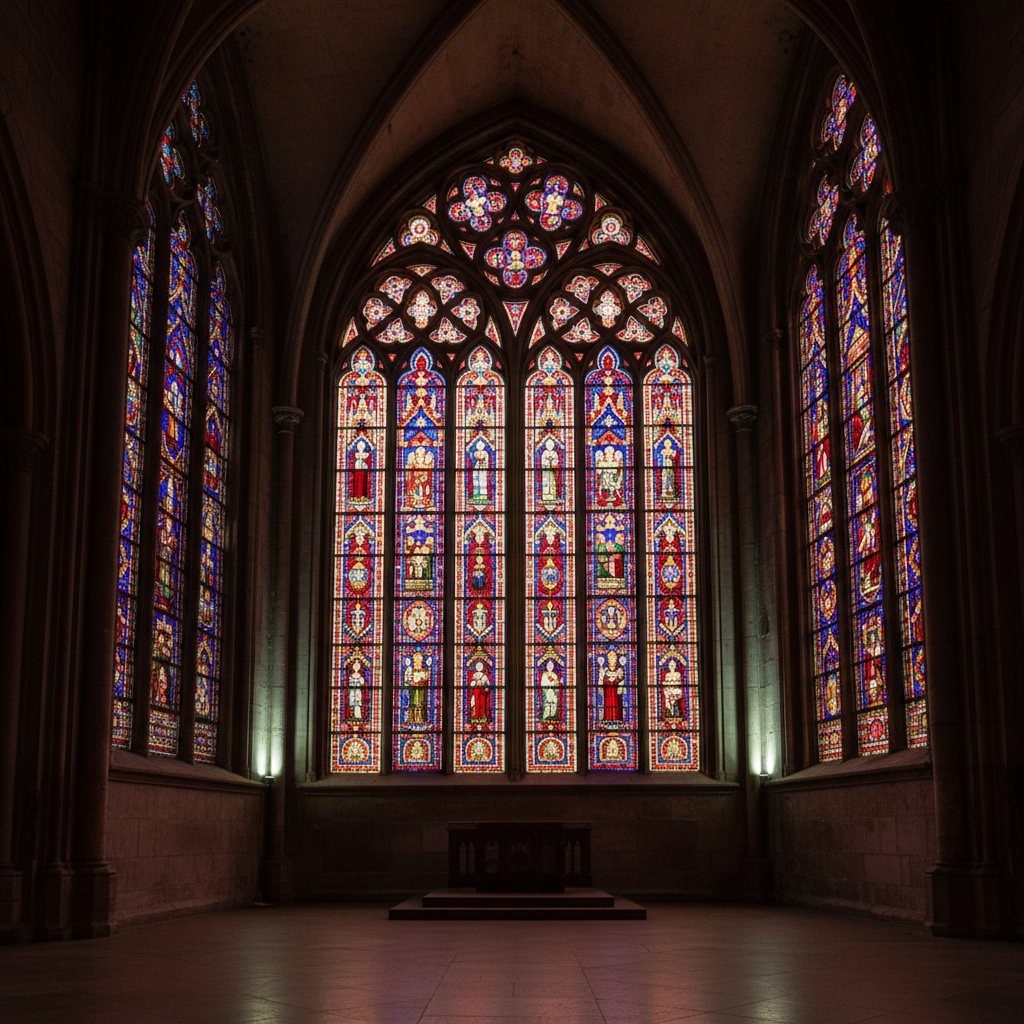
2.3 ステンドグラス — 24時間の語り部
ステンドグラス窓は日中の資産であり、夜間の負債です — バックライトを当てるまでは。バックライトを当てると、24時間のブランドおよび信仰の資産となり、夜間の訪問者を呼び込みます。
- 外部バックライト: 窓の外側に設置されたIP66 LEDパネル、3000Kをベースに、典礼期(聖霊降臨祭には赤、四旬節には紫、年間には緑)に合わせてRGB-Wアクセント。
- 均一照明パネル: ガラスの裏側に設置されたエッジライトLEDパネルは、ホットスポットを発生させません。
- プログラム可能な季節シーン: 各典礼期には、教会暦に基づいてスケジュールされた独自の事前プログラムされたカラーウォッシュがあります。
- 2026年のトレンド: 天文時計統合 — 毎日日没時に窓が点灯し、深夜に10%に調光され、午前5時に消灯、すべて自動。常時オンの設置と比較してエネルギー消費は30%です。
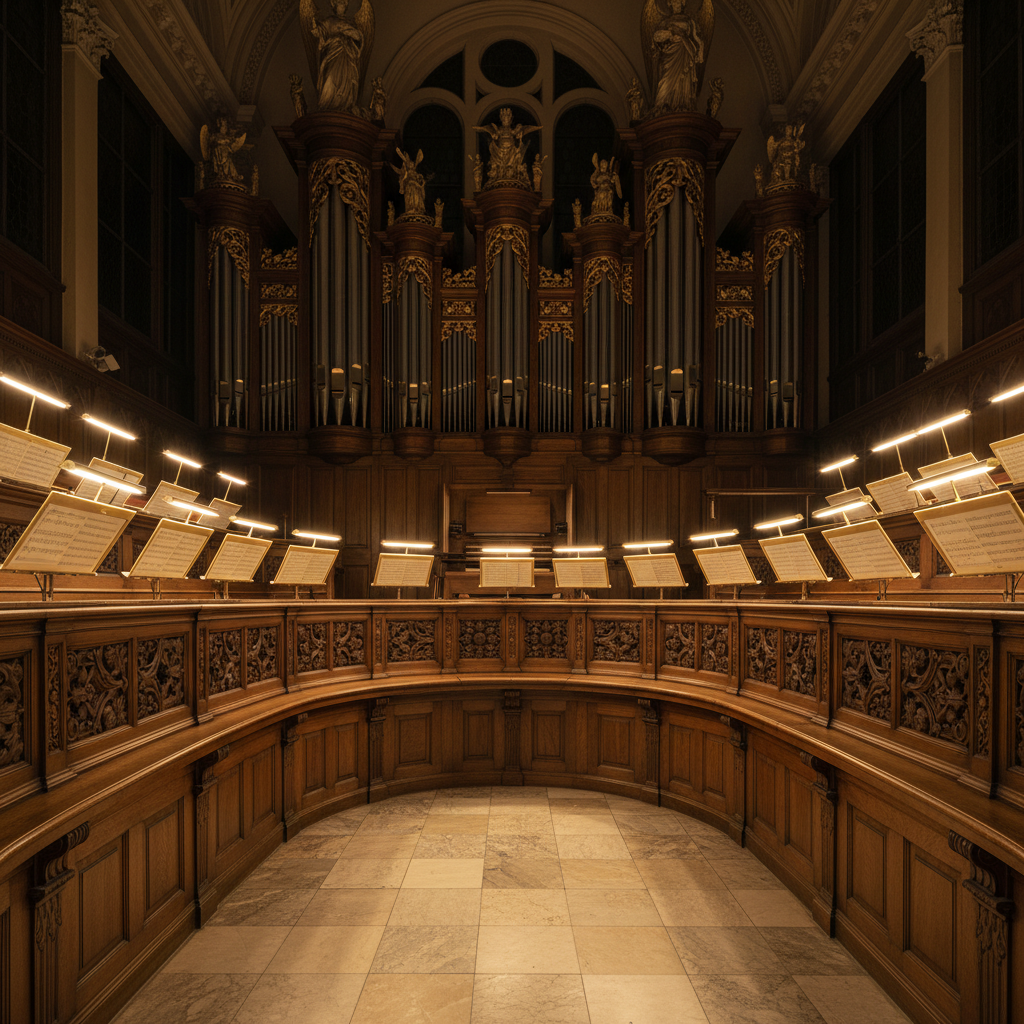
2.4 聖歌隊席 / オルガンコンソール — グレアを漏らさない作業灯
聖歌隊とオルガン奏者は楽譜を読む必要がありますが、その光が会衆に漏れてはいけません。これを誤ると、聖歌隊席が身廊の上にネオンの看板のように見えてしまいます。
- 各譜面台に控えめな線形作業灯: 3000K、CRI 90+、下向き非対称配光。
- オルガン奏者専用のコンソールスポット: 小型調整可能ミニスポット、3000K、調光可能。
- 光漏れなし: 深いカップリフレクター、完全に遮光 — 下の身廊への光漏れは10ルクス未満であるべきです。
- 2026年のトレンド: 指揮者席のワイヤレス調光器 — 聖歌隊指揮者がオルガン奏者を邪魔することなく、演奏中に明るさを調整できます。
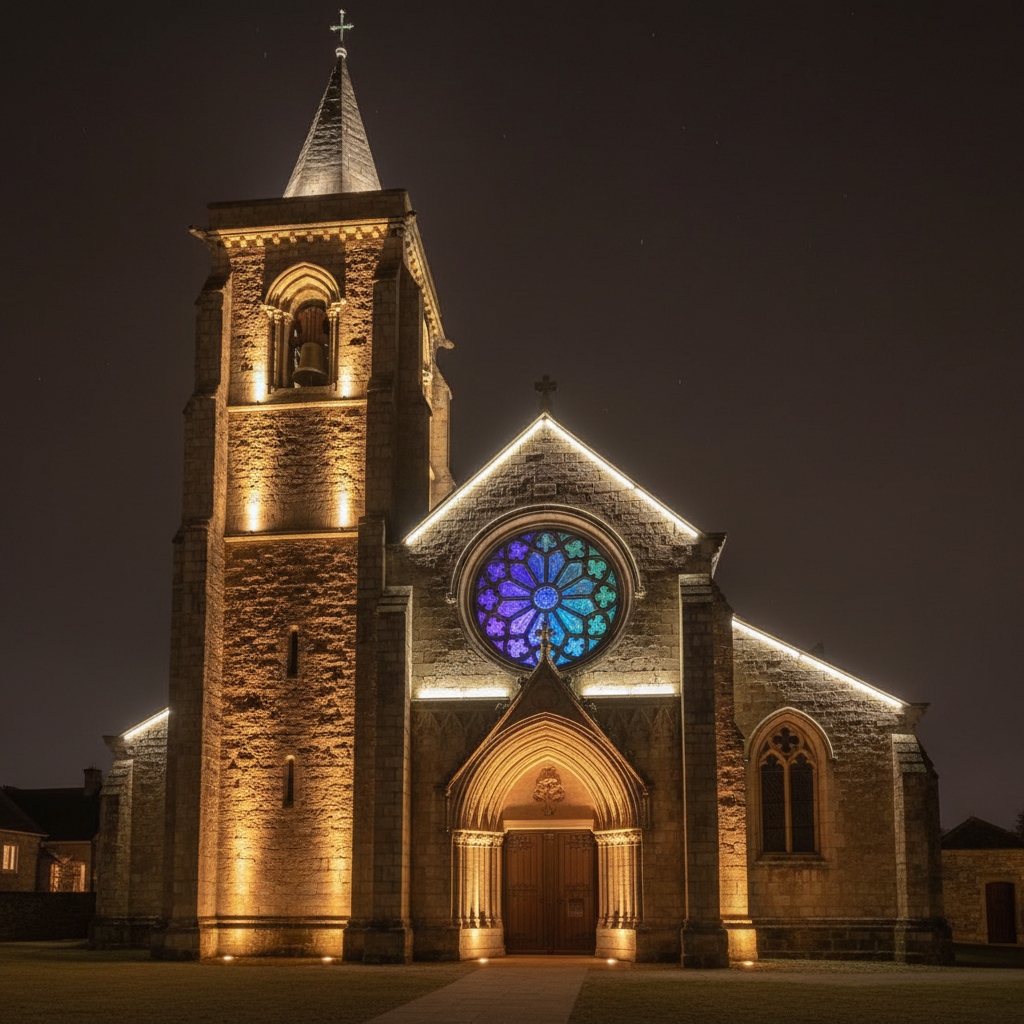
2.5 ファサード / 鐘楼 — 都市の夜間ランドマーク
ライトアップされた教会のファサードは、教区が持つ最も強力な無料マーケティングです。適切に照らされた鐘楼は、夜間の人通りを教区カフェ、教区ホールイベント、そして日曜日のミサへと誘います。
- IP66狭角非対称アップライトを3000Kで石材をかすめるように設置 — テクスチャの影が建築を生き生きとさせます。
- バラ窓にはRGB-Wアクセントを典礼期の色彩に合わせて。
- 鐘楼ウォッシュは3000K + 守護聖人の祝日には時折祝祭的なRGB。
- 天文タイマー: 日没時に点灯、深夜に30%に調光、午前1時に消灯(多くのEU都市で歴史的建造物/ダークスカイ規制に準拠)。
- 歴史的建造物準拠: 石材への器具の貫通はゼロ、すべての取り付けはステンレス製サドルクランプを使用。ICOMOSに準拠。
- 2026年のトレンド: 動的な季節シーンを教区がクリスマス、イースター、守護聖人の祝日のためにプログラム — 自動スケジュール、手動介入なし。
2.6 告解室、洗礼室、地下聖堂、側祭壇(早見表)
- 告解室: 2700K、5%まで調光可能、CRI 90+、きついダウンライトなし — 柔らかなペンダントまたはブラケット。
- 洗礼室: 洗礼盤に3000Kアクセント、肌の色を美しく見せるCRI 95+ R9>90。
- 地下聖堂: 3000K、100ルクスアンビエント、記念銘板にアクセント。IP44(湿潤)。
- 側祭壇: 2700K調光可能 + 祭壇アクセントはCRI 95。
パート3 — 2026年の教会照明トレンド(すべての仕様が対処すべき4つのこと)
これらは、2026年にすべての教区評議会、歴史的建造物建築家、教区施設管理者が尋ねている4つのホットボタンです。
🌱 トレンド1 — 環境配慮&省エネ(LEED / BREEAM / 教区ESG)
- 目標:1990年代のハロゲンとCFLの改修と比較して40~60%のエネルギー削減。
- 方法:130~160 lm/WのLED + DALI人感センサー + シーン調光 + ファサードの天文タイマー。
- 教会が気にする理由:教区の予算は厳しく、エネルギーコストの削減は牧会資金を解放し、多くの教区は2030~2040年までにカーボンニュートラルを誓約しています。政府の歴史的建造物エネルギー補助金(英国のListed Places of Worship、ドイツのDenkmalschutz)は、LEDへのアップグレードを前提条件とすることがよくあります。
💡 トレンド2 — 高効率(lm/W) — 少ない器具、歴史的建造物に優しい
- 2020年の標準:90~110 lm/W。2026年の標準:130~160 lm/W。
- 教会が気にする理由:器具が30%少ない = 保護された石材への取り付け穴が少なく、天井の視覚的な乱雑さが減り、運用コストが永続的に低減されます。
👁 トレンド3 — 防眩性(UGR<19) — 会衆の快適さ
- EN 12464-1は現在、すべての集会空間でUGR<19を推奨しています。
- 教会が気にする理由:頭上からのグレアがある1時間の礼拝は、すべての会衆を10歳老けさせます。UGR<19は、高齢の礼拝者が無理なく聖歌集を読むことを可能にします — 平均年齢60歳以上の教区にとって重要です。
📱 トレンド4 — スマート典礼シーン(DALI-2 / Casambi / KNX)
- 事前プログラムされた典礼シーン — ミサ/結婚式/葬儀/コンサート/清掃/夜間 — を1つのキーパッドボタンで切り替え。
- ファサードとステンドグラスバックライトの天文タイマー、人間の介入なし。
- 教会が気にする理由:聖具係やボランティアが建物を運営しており、照明技術者ではありません。ワンボタン操作が唯一持続可能なモデルです。
XHLWXのコミットメント: 2026年に出荷するすべての教会仕様は、デフォルトでこれら4つのトレンドのうち少なくとも3つをカバーしており、4つすべてが標準オプションとして利用可能であり、カスタムエンジニアリングは不要です。
パート4 — XHLWXを選ぶ理由(教区評議会の安全な選択チェックリスト)
世界中に500社のサプライヤーから教会照明を購入できます。XHLWXが他と異なる理由 — そして40以上の教区、大聖堂、礼拝堂プロジェクトが2021~2025年に当社を選んだ理由 — をご紹介します。
| 必要なもの | XHLWXが提供するもの |
|---|---|
| 1つのサプライヤー、教会全体 | ヴォールトアップライトから鐘楼まで、12の照明器具カテゴリすべてを社内で提供 — 1つの発注書、1人のプロジェクトマネージャー |
| 歴史的建造物対応の取り付け | ステンレス製サドルクランプ、石材への貫通なし、ICOMOS互換の取り付けキット |
| 真の防眩性 | CNAS LM-79で検証済みのUGR 17~18、深いカップリフレクター、IEEE 1789準拠のフリッカー0% |
| 真の効率 | すべての照明器具で130~160 lm/W、LM-79による第三者検証済み |
| 典礼シーン対応 | すべてのドライバーがDALI-2 + Casambi + 0-10V + TRIACをサポート。KNXブリッジも利用可能 |
| LEED / BREEAM / 歴史的建造物関連書類 | LM-79、LM-80、IES、ENERGY STAR、DLC、EQ + EAレター;ICOMOS歴史的建造物互換性声明 |
| 長寿命、書面保証 | LM-80 6,000時間以上テスト済み、L70 > 50,000時間、色変化Δuv ≤ 0.005を含む5年間書面保証 |
| 「廃盤」のサプライズなし | プロジェクトクライアント向けに10年間のSKU継続性保証(段階的な修復に重要) |
| グローバル電圧、グローバル認証 | ユニバーサル100–277V、CE / UL / ETL / SAA / FCC / RoHS / CB / ENEC |
| 信頼できる納期 | 在庫SKUは4~6週間、カスタム仕上げは8~10週間、中山に12,000 m²の自社工場 |
| プロジェクトサポート | 無料のDIALux計算、無料の典礼シーンプログラミング、無料のサンプルキット、英語/スペイン語/アラビア語のPM |
| 実績 | 18年間、12カ国で40以上の教会および礼拝堂プロジェクト(4つの指定/歴史的建造物を含む) |
パート5 — 9つの現実的な課題(そしてXHLWXがそれぞれを解決する方法)
上記は「システムビュー」です。以下は「武勇伝」ビュー — 教区評議会と教区施設管理者が夜も眠れないと語った9つの現実的な問題と、それらを当社がどのように解決するかです。
課題1 — 「1890年代の私たちの教会には素晴らしいステンドグラスがありますが、夜になると誰も見ることができません。近所の人たちは閉鎖されたと思っています。」
なぜ問題なのか: 夜間の暗い教会は「閉鎖された教区、衰退するコミュニティ」を意味します。ステンドグラスは教区で最も写真に撮られる資産であり、日没から日の出まで暗いままにしておくことは、毎日14時間の無料マーケティングを無駄にすることになります。
XHLWXの解決策:IP66外部LEDバックライト + RGB-W典礼期対応 + 天文タイマー
- IP66均一照明パネルを各窓の外側に設置、3000KをベースにRGB-Wの季節アクセント。
- 器具は石材を貫通しない — ステンレス製サドルクランプが既存の窓枠の鉄細工に固定されます。
- 天文タイマー — 日没時に点灯、深夜に10%に調光、午前1時に消灯(ダークスカイ規制に準拠)。
- 典礼期のプリセット: 四旬節は紫、イースターは白金色、聖霊降臨祭は赤、クリスマスは暖白色と青 — カレンダーに基づいて自動。
証拠: クラクフの12窓の教区プロジェクト — 設置後1年で教区カフェへの夜間訪問者数が62%増加。日曜日の夕方ミサの参加者数が18%増加。
課題2 — 「私たちの教会の年間電気代は38,000ユーロです。その半分は照明です。牧会評議会は50%削減したいと考えています。」
なぜ問題なのか: 電気代に費やされる1ユーロは、フードバンク、聖歌隊、青少年奉仕活動に費やされない1ユーロです。照明は**一般的な教区教会の電気代の30~45%**を占めます。
XHLWXの解決策:130~160 lm/WのLED + DALI-2人感センサー + 典礼シーン調光 + ファサードの天文タイマー
- 15 lm/Wの従来の70Wハロゲンと比較して、130~160 lm/WのLED改修により、同じ照度で88%のエネルギー削減。
- DALI-2人感センサーゾーン — 平日のミサ中には、空いている側通路が30%に調光されます。
- ファサードの天文タイマー — 夕暮れから夜明けまで100%点灯と比較して50~60%削減。
- ROI:3~5年、その後10年以上純粋な節約。多くのEU教区はエネルギー補助金の共同融資の対象となります。
証拠: バイエルン州の750席の教区 — 年間19,400ユーロの電気代削減、バイエルン州のDenkmalschutzエネルギー補助金共同融資35%で3.4年の回収期間。
課題3 — 「私たちの教会はグレードI指定建造物です。文化財保護官は前回の照明提案を却下しました。」
なぜ問題なのか: 歴史的建造物プロジェクトは、(a) 保護された石材に穴を開ける器具、(b) 歴史的な金箔に不適切な色温度、(c) フレスコ画を損傷する過熱、(d) 目に見える配線、などの理由で却下されることがあります。再設計には6~18ヶ月と2万ユーロ以上の追加費用がかかります。
XHLWXの解決策:ICOMOS互換の取り付け + 歴史的建造物対応CCT + 低IR + 隠蔽配線キット
- ステンレス製サドルクランプ — 既存の錬鉄に固定され、石材への貫通なし。元に戻せる設置。
- 3000K CRI 95+ R9>90 — 金箔やテンペラ画がデザイナーの意図通りに再現されます。
- 低IR / 低UV LED — フレスコ画表面温度上昇は0.5°C未満。
- 隠蔽配線キット — コーニス(蛇腹)の影に隠れる柔軟な黒い導管。
- プロジェクトクライアントにはICOMOS歴史的建造物互換性声明を無料で提供。
証拠: グレードI指定の英国国教会教区 — 文化財保護官が最初の提出で承認。クライアントはXHLWXの歴史的建造物関連文書を「メーカーから見た中で最も徹底している」と評価。
課題4 — 「聖具係は78歳です。40個のボタンがある照明コンソールを操作できません。」
XHLWXの解決策:6ボタンDALI-2キーパッドと典礼シーン名
- 6つの分かりやすいボタン: ミサ / 結婚式 / 葬儀 / コンサート / 清掃 / 夜間。
- 日常操作にメニューやアプリは不要。
- バックライト付きラベル — 低照度環境でも読みやすい。
- 教区管理者のみがアプリで上書き可能。
- 新しい聖具係やボランティアへの5分間のトレーニング。
証拠: アンダルシアの大聖堂 — 4人の聖具係(平均年齢71歳)が、1つのキーパッドから220個の照明器具システム全体を操作。24ヶ月間で再トレーニングの連絡はゼロ。
課題5 — 「7年前に『教会用LED』を設置しましたが、半分は黄色くなり、半分は消え、サプライヤーは姿を消しました。」
なぜ問題なのか: 12mのヴォールトの再ランプ交換は、毎回4,000~10,000ユーロの足場作業です。50,000時間ではなく15,000時間で故障する低品質のLEDは、生涯コストを3倍にします。
XHLWXの解決策:LM-80チップ + 5年間書面保証 + 10年間SKU継続性
- Lumileds / Osram / Bridgelux LED、L70 > 50,000時間。
- アルミニウムヒートシンク + サーマルパッド — ヴォールトアップライトでも接合部温度は85°C未満。
- 5年間書面保証は、光束減衰、色変化(Δuv ≤ 0.005)、ドライバー故障をカバー。
- 10年間SKU継続性保証 — 段階的な修復プロジェクトは8年後に再注文しても同一の製品を入手できます。
証拠: XHLWXの教会セグメント保証請求率(2020~2025年):0.3%/年。
課題6 — 「結婚式の写真家は、祭壇の照明がカメラで黄色く写り、肌の色が悪く見えると不満を言っています。」
XHLWXの解決策:CRI 95+ R9>90 + 3000K + フリッカー0%
- CRI 95+ R9>90 — 金色の祭服、白いウェディングドレス、ブーケがすべて正しく表現されます。
- 3000K — 厳粛さに十分な暖かさがあり、結婚式の写真撮影にも十分なニュートラルさ。
- IEEE 1789準拠のフリッカー0% — スマートフォンや一眼レフのスローモーション動画でバンディングなし。
- DALI-2「結婚式」シーンプリセット — 祭壇全体を100%、身廊を80%に設定、写真家も満足。
証拠: 大聖堂の結婚式写真家の証言 — 「22年間で撮影した中で最高の結婚式用祭壇照明です。」
課題7 — 「ヴォールトのアップライトが明るすぎます。ヴォールトがスタジアムのように見えます。」
XHLWXの解決策:非対称狭角配光 + DALI-2調光 + 適切なルーメン予算
- 狭角非対称アップライト — 光はヴォールトのみに当たり、会衆の目には入りません。
- 設置前にDIALuxで計算されたルーメン予算 — 過剰な照明なし。
- DALI-2調光 — ミサではヴォールトを60~70%、葬儀では30%、コンサートでのみ100%。
- 3000K CRI 80+ — 暖かい石の輝き、決して白っぽい「スタジアム」のような色ではない。
証拠: すべてのプロジェクトに無料のDIALux計算が含まれており、照明器具発注前に最大3回まで修正可能。
課題8 — 「私たちの地下聖堂と告解室は、高齢の会衆には暗すぎますが、きつい光は不適切に感じられます。」
XHLWXの解決策:2700K調光可能ブラケット + IP44 + 完全遮光
- 高さ1.4mの2700Kの暖かいブラケット — 柔らかく、親密で、威厳があります。
- 5%まで調光可能 — 告解室はほぼ暗くできます。
- 湿気の多い地下聖堂や地下礼拝堂にはIP44。
- CRI 90+ — 告解を受ける高齢の司祭の肌の色も美しく見えます。
証拠: スペインの14の告解室の大聖堂改修 — 18ヶ月間で「明るすぎる/暗すぎる」という苦情はゼロ。
課題9 — 「教区全体にわたる7つの教区に、一貫した色と保証で製品を出荷できる単一のサプライヤーが必要です。」
XHLWXの解決策:教区展開PM + SDCM ≤ 3ビニング + チェーン保証
- 1人のプロジェクトマネージャーが7つの教区すべてを担当。
- 教区全体の注文でSDCM ≤ 3の色ビニングを固定 — すべての身廊が同一の色点に見えます。
- 各サイトで同一の事前プログラムされたシーン。
- 教区展開をカバーする1つの5年間保証、クレームに対する単一の連絡窓口。
証拠: イタリアの9つの教区展開 — 14ヶ月で完了、9つのサイトすべてがクライアントの分光計でSDCM ≤ 3であることを確認。
よくある質問
(XHLWX教会プロジェクトマネージャーが回答 — 2026年版)
FAQブロック全体は、以下のFAQセクションに掲載されています。
教会の仕様を検討する準備はできましたか?
XHLWXは、歴史的建造物の改修から新築の大聖堂まで、CRI 95+ R9>90、UGR<19、130~160 lm/W LED、DALI-2 / Casambiの典礼シーンを備えた完全な教会照明パッケージを提供します。
Frequently asked questions
Q1.What color temperature is right for a Catholic / Anglican / heritage church?
3000K is the international 2026 standard for nave and altar — warm enough to honor stone, gilt and vestments, neutral enough for wedding photography. 2700K only for confessionals and intimate side chapels. Avoid anything cooler than 3500K in any worship space — it reads as 'office' or 'hospital' and undermines the sacred atmosphere.
Q2.DALI-2 or Casambi for a parish church?
DALI-2 for any church with more than ~80 fixtures or a sacristy with space for a small gateway. It's the international standard, scene-perfect, integrates with BMS, and supports growth. Casambi for small chapels and tight-budget retrofits where wireless mesh wins on install cost. XHLWX drivers support both — same fixture works on either bus.
Q3.Will LED lighting damage frescoes, gilding or tapestries?
Modern white LEDs emit no UV and very little IR. XHLWX heritage-spec fixtures keep fresco-surface temperature increase below 0.5 °C and UV emission at zero — ICOMOS-compatible. By contrast, legacy halogen heritage lighting raises fresco surface temperature 4–10 °C and emits significant UV — measurable damage over 10–20 years.
Q4.How much energy can a church save with an LED retrofit?
Realistic numbers from XHLWX church retrofits 2021–2025: 50–65% lighting energy reduction vs. halogen-and-CFL baseline. ROI 3–6 years depending on local electricity price. Many EU dioceses qualify for energy-grant cofinancing (UK Listed Places of Worship Grant, German Denkmalschutz, Italy 'Otto per Mille', Spain 1,5% Cultural).
Q5.Can we light the stained glass from outside without permission to drill into the stone?
Yes. XHLWX uses stainless saddle clamps that engage the existing wrought-iron window framing — fully reversible, zero stone penetration. ICOMOS-compatible. We provide a heritage-compatibility statement and detailed mounting drawings for the conservation officer free of charge.
Q6.What's the right lighting for a wedding (so photos look good)?
Altar at CRI 95+ R9>90, 3000K, 100% intensity. Nave at 70–80%. Stained glass backlit at 60%. 0% flicker per IEEE 1789 so phone and DSLR slow-mo videos don't band. Pre-program a 'Wedding' scene on the DALI-2 keypad — one-button activation by the sacristan.
References & sources
- EN 12464-1 Light and lighting — Lighting of work places— CEN
- ICOMOS Charter on the Conservation of Historic Towns and Urban Areas— ICOMOS
- CIE 157:2004 Control of damage to museum objects by optical radiation— CIE
- UK Listed Places of Worship Grant Scheme — energy efficiency guidance— DCMS
- DALI-2 Application Note 003: Multi-master scene control— DiiA
Need a tailored lighting plan for your project?
Our senior lighting designers reply within 48 hours with a free design proposal & quotation.