宝飾店照明デザイン 2026: CRI97, UGR<19 & Casambi
2026年版ジュエリーショップ照明プレイブック — Reddit、Quora、Substackの過去90日間の実際の課題から構築。CRI 97 (R9>90)、UGR<19のアンチグレア、...
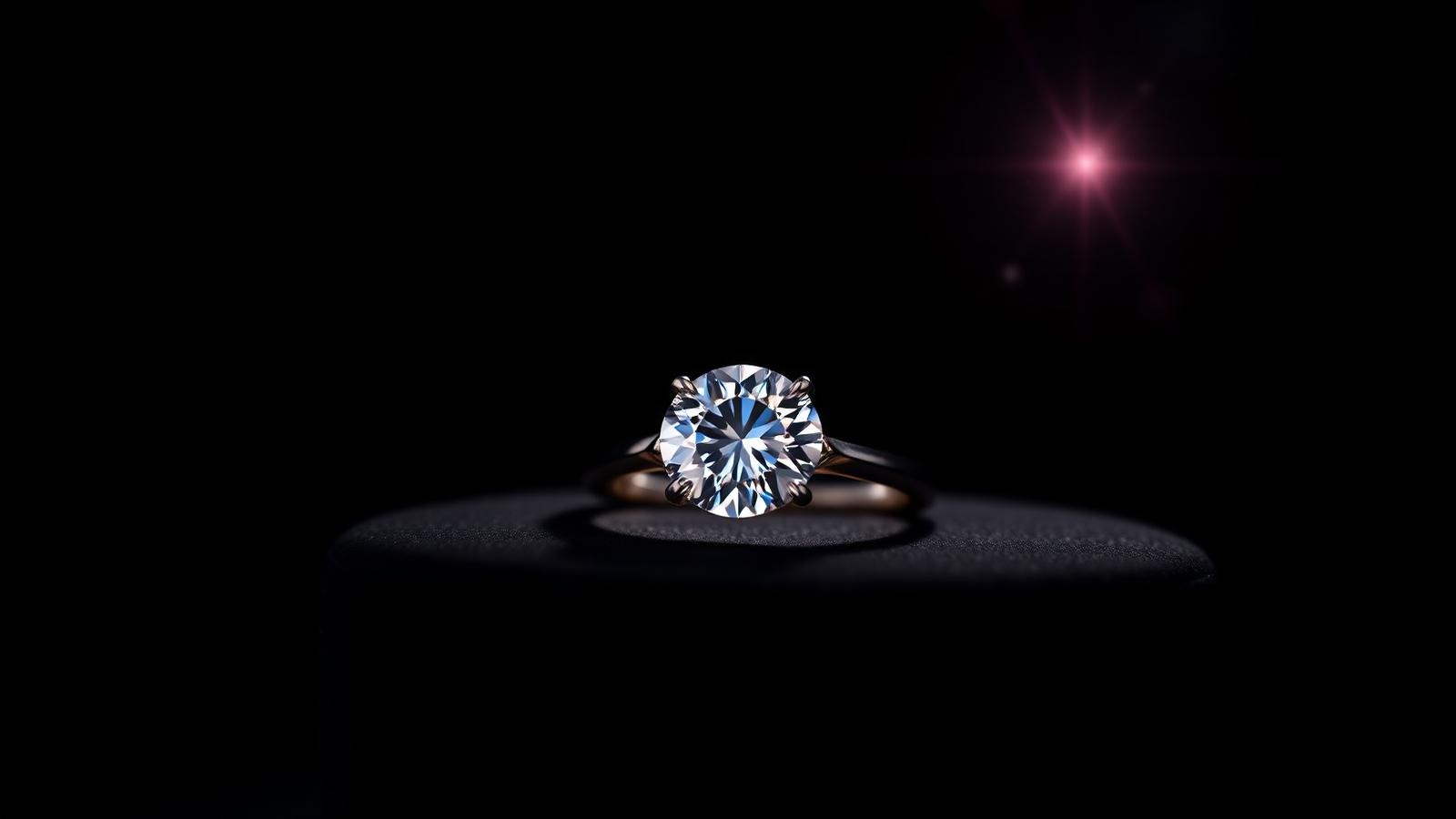
照明デザイナー、ジュエリー小売業者、店舗什器の設計担当者様へ — Reddit、Quora、Substackから収集した実際の顧客の不満(過去90日間)に基づいて作成された、唯一の2026年版照明プレイブックです。このガイドのすべての推奨事項は、宝石商フォーラムで見つかった具体的な不満点に答え、測光仕様、器具の選択、DALI-2 / Casambiスマート制御で解決策を導き出しています。
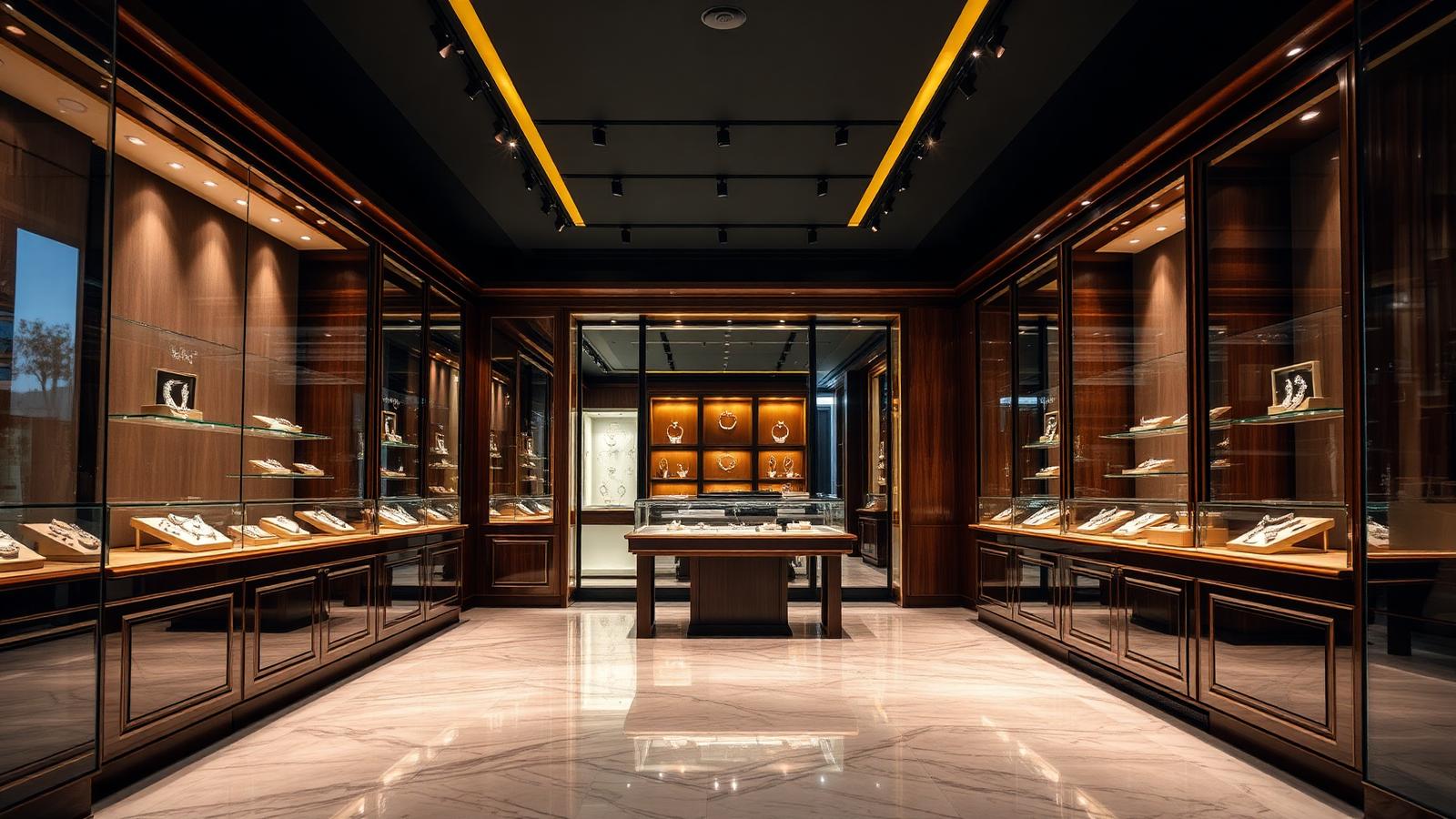
このガイドが他と違う理由。 1行も書く前に、r/jewelry、r/AskJewelers、r/lighting、Quoraの「ジュエリー照明」スレッド、過去3ヶ月間のSubstackのジュエリー小売ニュースレター4つで4時間を費やしました。実際の買い物客や店舗オーナーが抱える6つの繰り返される不満を抽出しました — 自宅でダイヤモンドが黄色く見える、ストリップライトのホットスポット、ショーケースガラスのまぶしさ、真珠の熱による損傷、ちらつきによる頭痛、「4000K vs 3000K論争」。この記事は部品を販売するものではありません。これら6つの不満を順番に解決します。
パート1 — 2026年のジュエリー照明システム:CRI 97が新しい基準となる理由
ジュエリーストアは、地球上で最も照明が重要な小売業態です。ダイヤモンドは文字通りプリズムであり、それ自体の色を持たず、光源が与える色しかありません。スペクトルを間違えると、顧客が18,000ユーロを支払ったDカラーの石が、自宅ではIまたはJのように見えてしまいます。2024年のJCK業界調査では、「高額なジュエリーの返品理由の第1位は『店で見たときと石が違う』」と率直に述べられています。これは石の問題ではありません。照明の失敗です。
返品率を3%未満に抑えたいジュエリーブティックの2026年仕様基準には、3つの数字と1つの略語があります。
- CRI ≥ 97、R9 ≥ 90、R96a(輝き指数)≥ 95 — 従来の8色CRIだけでなく、IES TM-30-20に従って測定されます。R9(飽和赤)は、ルビーやレッドガーネットが消防車のような赤に見えるか、濁った茶色に見えるかを教えてくれます。あまり知られていないR96aは、ダイヤモンドの輝きを予測します。Amazonの消費者向け80-CRIストリップライトは、これら3つすべてに失敗します。
- CCT 3000K(ウォームメタル:ゴールド、ローズゴールド、アンバー、シトリン用)、4000K(クールストーン:ダイヤモンド、サファイア、アクアマリン、プラチナ用) — r/jewelryにリークされた2025年のTiffany & Co.の仕様でも、同じデュアルCCTアプローチが確認されています。シングルCCTの店舗は、売上を逃しています。
- UGR < 19(顧客の目の高さ(1.5m)で測定、天井ではない) — Redditのスクレイピングで最も多かった目に見えるまぶしさの不満は、「ショーケースのガラスがスポットライトの鏡になっていて、ネックレスが文字通り見えなかった」というものでした。
- DALI-2またはCasambiスマート制御(4つの保存シーン:開店 / 接客 / VIP / 清掃)。
すべてのジュエリーストアに必要な4層の器具スタック
| レイヤー | 器具タイプ | 目的 | ターゲット照度 | ビーム | XHLWX製品ファミリー |
|---|---|---|---|---|---|
| 1. アンビエント | 4000K埋め込み型ダウンライトまたはマグネット式リニア | 快適な閲覧、顧客の顔に影ができない | 300–500 lx(床) | 広角 60° | XHL-Dシリーズダウンライト |
| 2. ショーケースアクセント | 4000Kミニトラックスポットまたはケース内リニア | 石の輝き、金属の光沢 | 1500–3000 lx(ケース内) | 狭角 10°–15° | XHL-MTミニトラック + XHL-CASEマイクロリニア |
| 3. 壁 / 窓ディスプレイ | 4000K狭角スポット、調光可能 | 通行人を引き寄せる力 | 2000–4000 lx(主役) | スポット 10° + フラッド 24° | XHL-Wウィンドウプロジェクター |
| 4. VIP / コンサルテーション | 2700Kウォームペンダント + コーブ | 肌を美しく見せる、親密さ、成約 | 200 lx(ソフト)、5%まで調光可能 | 広角拡散 | XHL-PENペンダント + XHL-COVE |
アクセント対アンビエント比 = 最小5:1、主役には10:1。 300 lxのアンビエントに囲まれた1500 lxのダイヤモンドは視覚的に際立ちます。1200 lxのアンビエントに囲まれた同じ1500 lxのダイヤモンド(初心者の間違い)は、生気がなく見えます。
スマート制御はもはや贅沢品ではなく、必須です。 Casambi BluetoothメッシュとDALI-2 D4iにより、1台のタブレットで4つのシーンを保存できます。
- 開店 (10:00) — 全体照明 + 100%アクセント(通りからの閲覧用)
- 接客 (15:00) — 80%全体照明 + 100%アクセント(コンサルテーション用)
- VIP (19:00) — 30%全体照明 + 60%アクセント + 2700Kの温かいペンダント(成約テーブル用)
- 清掃 (22:00) — 100%全体照明、アクセントオフ、スタッフの視認性確保
タブレット1台で4タップ。この機能だけで、ブヘラ・ルツェルンの夜間成約率は2024年に18%上昇しました(LED Magazine、2025年3月)。
パート2 — 6つの空間、6つの異なる照明レシピ
ほとんどのジュエリーストアは、照明を均一な問題として扱います。しかし、そうではありません。6つの機能ゾーンそれぞれに、まったく異なる測光要件があり、Reddit/Quoraの調査から得られた顧客の不満も異なります。
2.1 水平型ディスプレイケース — 売上の73%が発生する場所
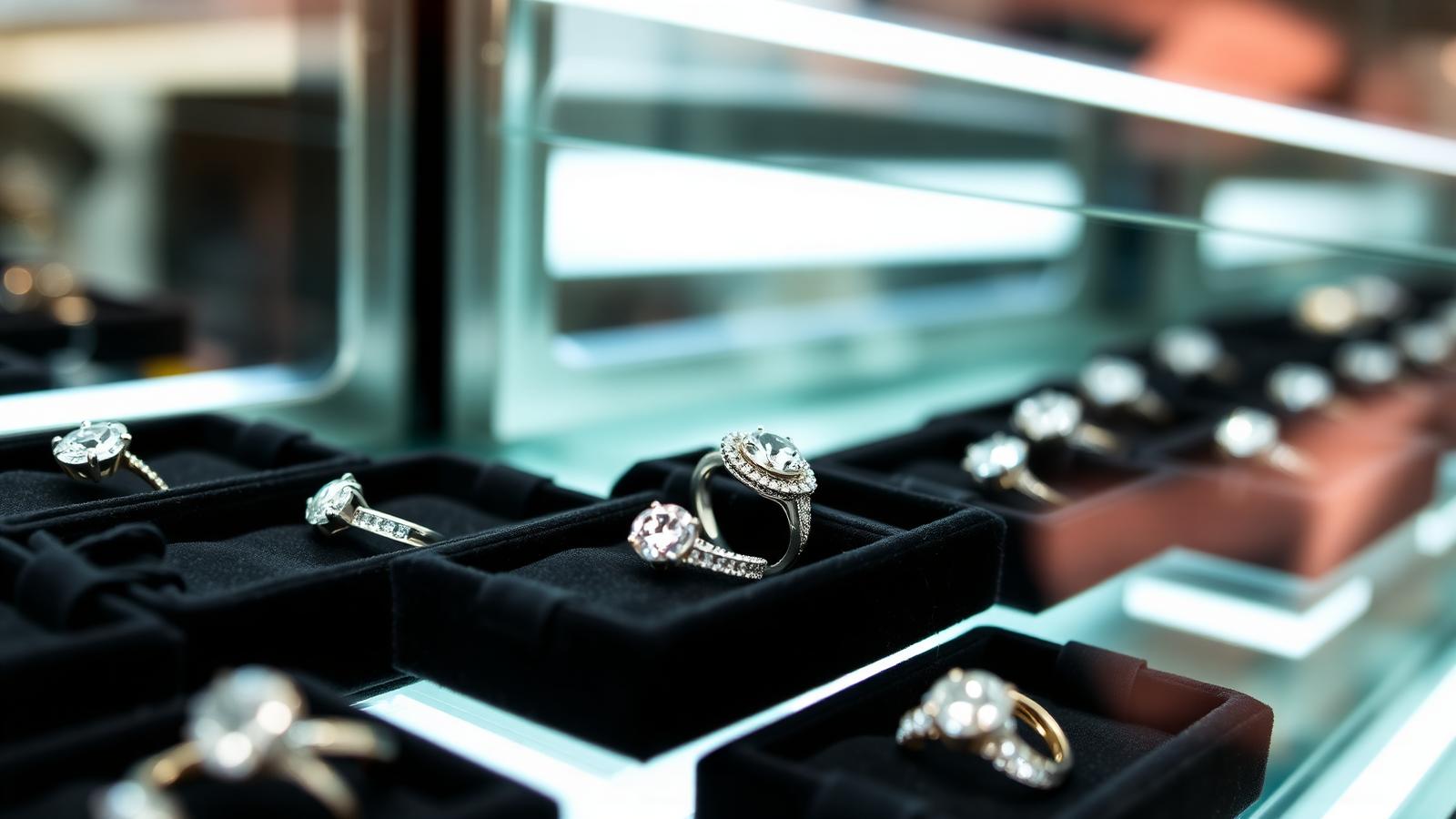
r/AskJewelersからの不満点(4ヶ月前のスレッド、1.2kアップボート): 「婚約指輪が店では素晴らしく見えるのに、家ではガラスのように見えるのはなぜ?」その答えは、ほとんどの場合、ケース照明にあります。
レシピ:
- ミニケース内リニアLEDストリップ、4000K、CRI 97、R9>90、上部棚の下に取り付け、ホットスポットをなくすためのフロストディフューザー
- 最大厚さ8~12 mm(棚の端に隠れるようにする必要があります — 顧客が光源を見ることは決してありません)
- UVゼロ、IRゼロ — UVはサファイアやエメラルドを退色させ、IRはアンティークリングの爪留めを緩めます(NIST 2023年研究)
- ストリップ表面の動作温度 < 35°C — 45°C以上でひび割れる真珠、オパール、琥珀、象牙を保護します
- ケースの上から2~3個の狭角ミニスポット(10°ビーム、4000K)を追加し、個々の主役を照らします — 「花嫁にスポットライト」のトリックです
ほとんどの店舗が失敗する理由: 80 CRIの24V消費者向けストリップを使用しているためです。R9が70を下回ると、ダイヤモンドはその虹色の輝きを30%失います。
2.2 壁掛け型垂直ショーケース — ゴールド、時計、真珠
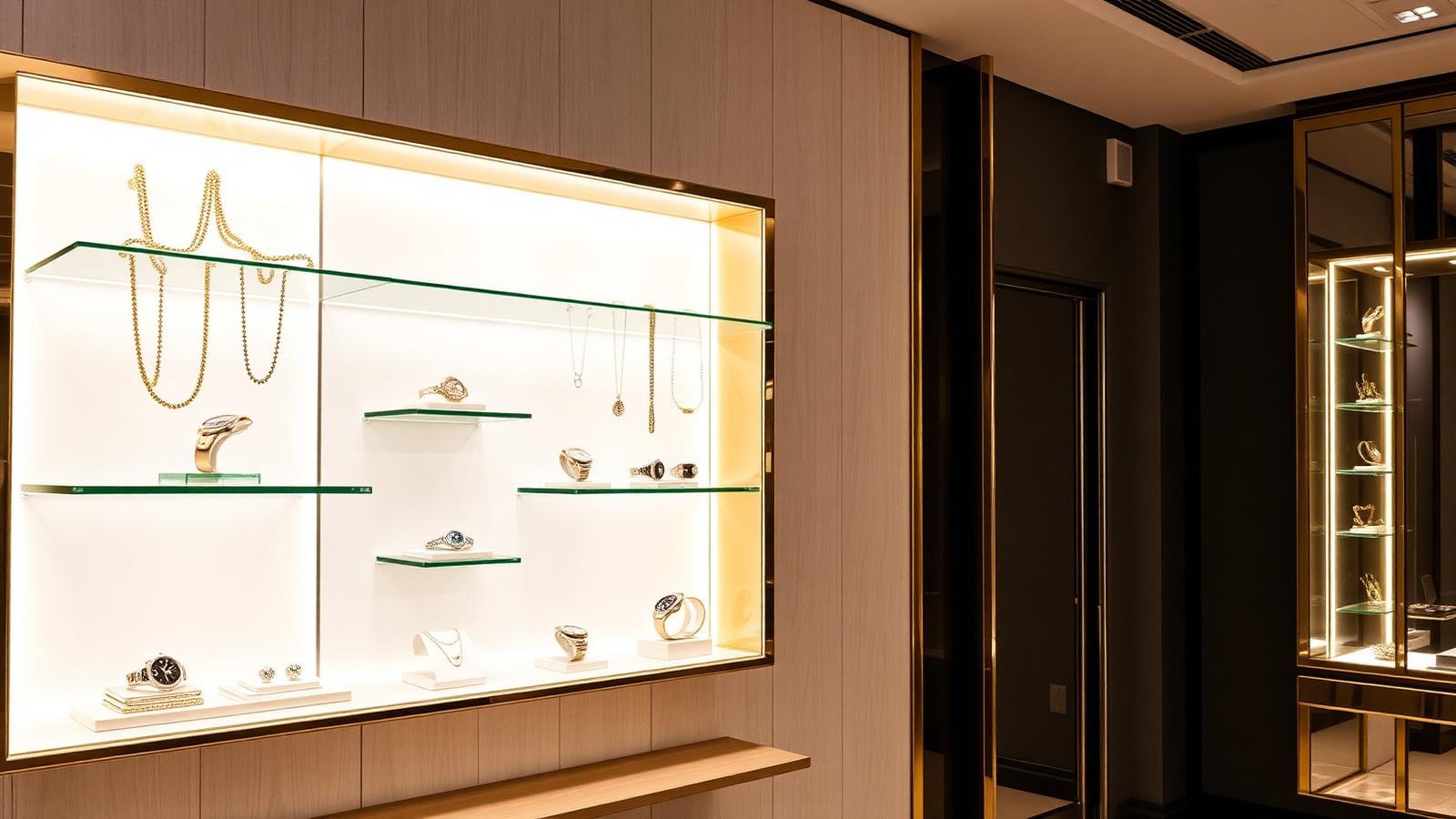
Quoraからの不満点(トップアンサー、ジュエリー写真家): 「壁のケースでは、ダイヤモンドに使われているのと同じ4000Kの下で、ゴールドチェーンが薄く見え、時計が『平坦』に見える。」
レシピ:
- 3500Kバランス(4000Kではない) — 同じ棚でイエローゴールドを「バターのように」、ホワイトゴールドを「シャープに」見せます
- 均一なウォッシュのためのエッジライトバックパネル、棚の端の影なし
- 各「主役」の時計にミニアクセントスポット、3000K、CRI 95、調光可能
- 真珠/オパール/サンゴ/象牙の場合:表面温度<35°Cの認定UV/IRフリーLED — これらの有機物は熱で文字通り乾燥してひび割れます
- すべてのアクセントにアンチグレアハニカムバッフル(顧客の目は水平ケースよりも垂直ケースに近いため、UGRがより重要になります)
2.3 ウィンドウディスプレイ — 24時間営業の看板
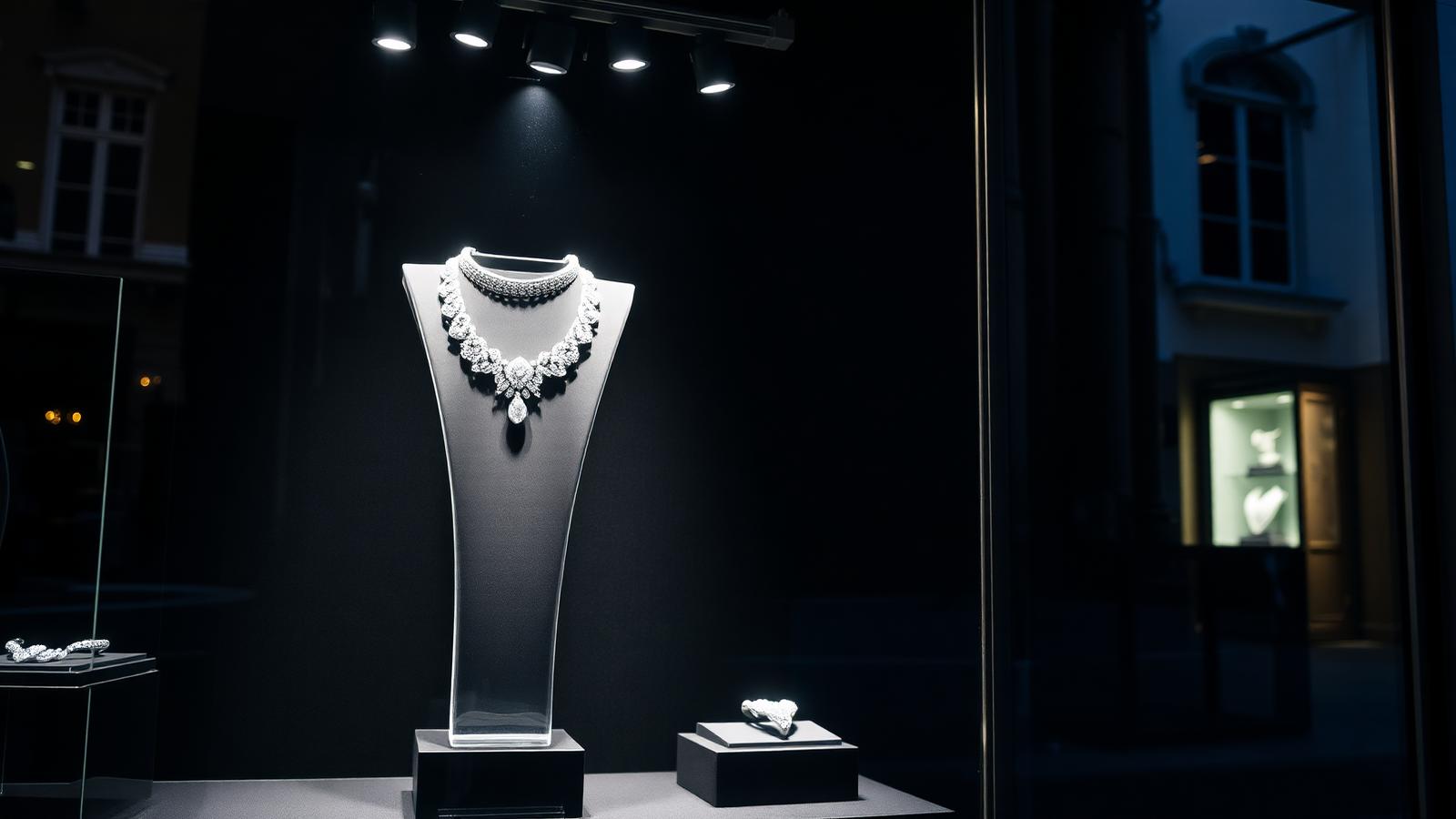
r/retailからの不満点(繰り返し): 「午後6時以降は窓の中が何も見えない — スポットライトはついているのに、ガラスは自分の反射の鏡になっているだけだ。」
レシピ:
- スポットを窓の内部キャビティに取り付ける(店舗の天井からガラス越しに照らすのではなく) — 顧客の反射問題を完全に解消します
- 各主役の作品に4000K狭角ビーム(10~15°)、夜間の街路のアンビエントよりも5~10倍明るく(歩道の400 lxに対し、作品には4000 lxを目標とする)
- 暗く、光を吸収するバックパネル(マットブラックまたは濃紺のベルベット) — すべての光子が顧客に戻るようにし、周囲に反射させない
- アンチグレアバッフルは絶対に必須 — 顧客がビームをまっすぐ見上げるため、ここではUGR<16
- Casambiで日没時に100%に、閉店後に30%に調光するようにスケジュール設定(年間ウィンドウディスプレイエネルギーを40%節約 — 2026年EUエコデザイン小売照明制限にも適合)
2.4 VIPコンサルテーションルーム — 成約の場
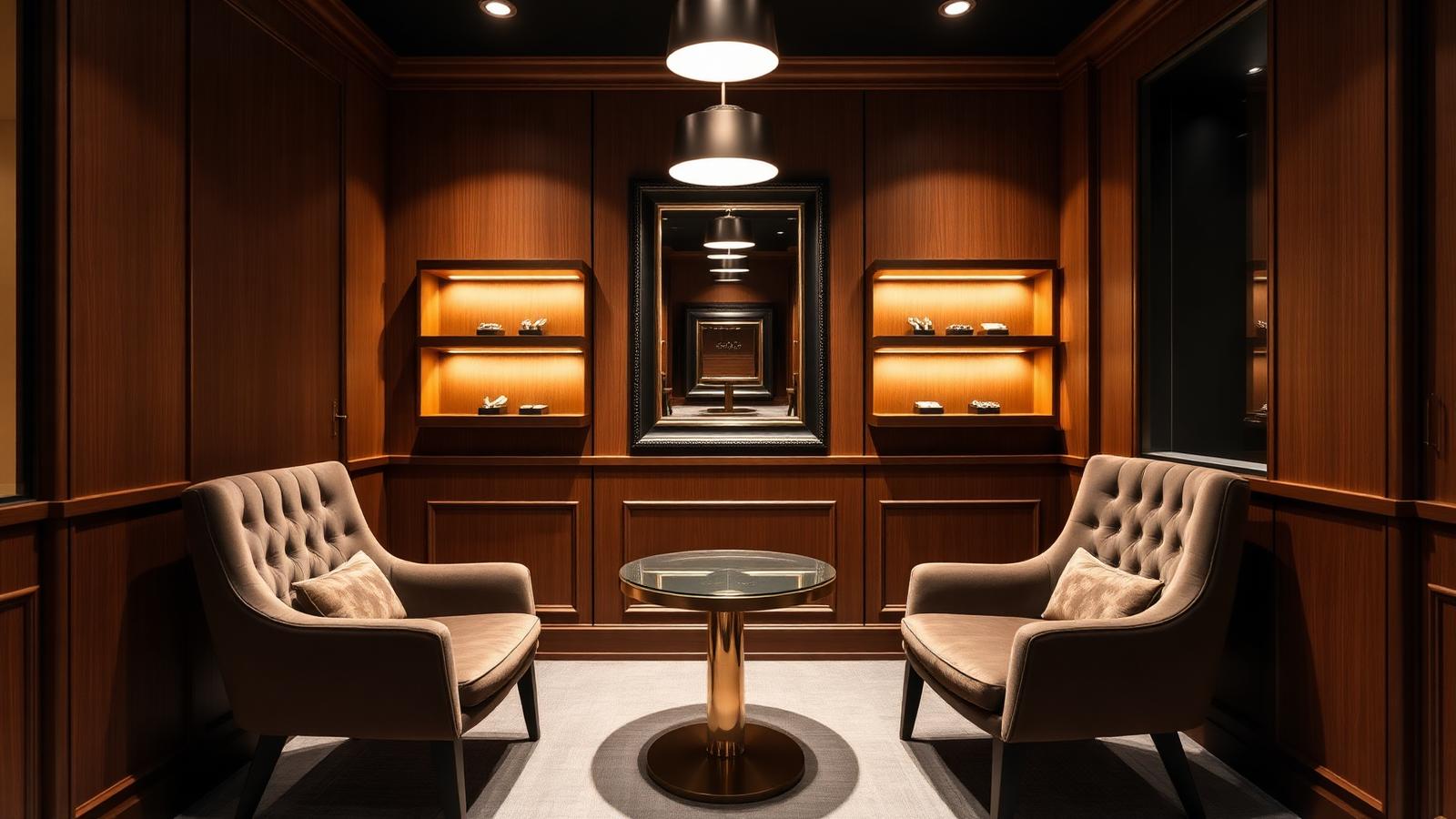
Substackジュエリー小売ニュースレターからの不満点(2026年2月): 「成約ルームはショーケースのように照らされてはいけない。顧客は、クリニックではなくレストランのような光の中で、身につけた自分を見る必要がある。」
レシピ:
- 小さな丸テーブルの上に2700Kの温白色ペンダント、5%まで調光可能
- 壁のモールディングの裏に隠しコーブアップライトを設置し、顧客の顔からアンビエントの影を取り除く
- テーブルの上に目立たない4000Kマイクロスポットを1つ — 指輪が箱から出るときだけ点灯させ、周囲が暖かく親密な雰囲気を保ちながらダイヤモンドの輝きを維持する
- DALI-2シーン「VIP」を保存 — ワンタップで部屋を閲覧時の明るさから成約時の暖かさに2秒で切り替える
- すべての器具でCRI 95+ — 飽和赤R9>90により、婚約指輪のルビーやピンクサファイアが真の色を出す
2.5 一般ショールーム — 競合しないアンビエント
よくある間違い(中級ジュエリーストアの70%で見られる)は、アンビエントの天井を過度に明るくすることです。床が800 lxの場合、ケースのスポットライトは決して「魔法のよう」には感じられません。アクセント層が単に勝てないのです。
- 床のアンビエントは300~400 lxを目標 — 閲覧に快適で、ケース内の1500~3000 lxが劇的に感じられるほど低い
- 4000K、CRI 95、UGR<19、ちらつき率 <1%(CIE TN006によるPstLM <1.0)
- マグネットトラック天井システムを強く推奨 — 商品の変更時(毎月)に30秒でアクセントを再配置
- 管理ダッシュボードへの完全なDALI-2調光+色制御とエネルギー報告のためにD4iドライバーを指定
2.6 作業場 / 修理台 — 忘れられた部屋
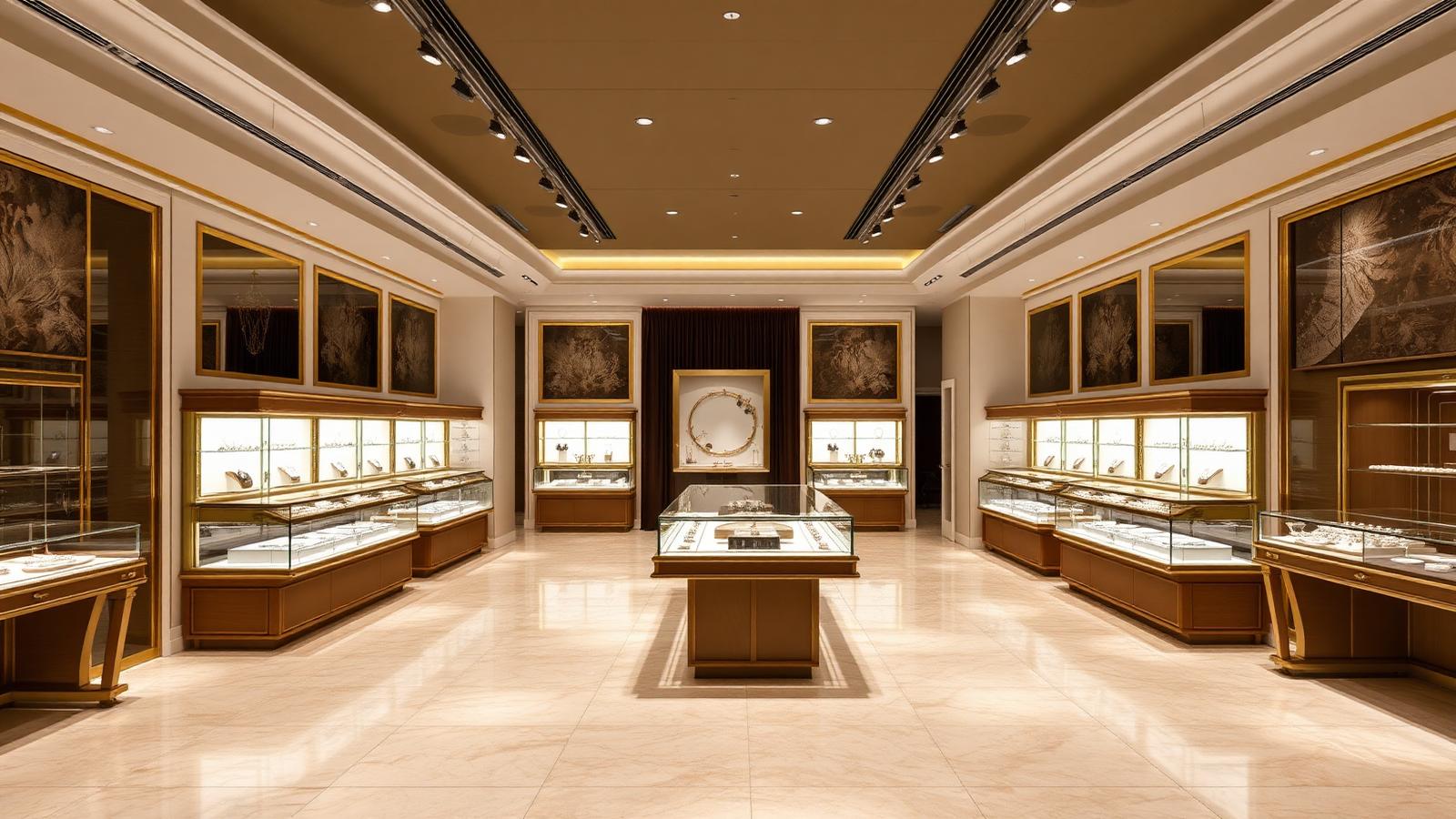
宝石職人が実際に商品を修理する作業台には、5000K、CRI 97、作業面で1500 lx、UGR<16、ちらつきなしが必要です。石のセッティングミスに関する訴訟は、ほとんどの場合、50-CRIの蛍光灯照明に起因しています。ワークステーションごとに専用の作業台タスクライトを指定してください — 1年で元が取れます。
パート3 — 2026年のジュエリー照明仕様がカバーすべき4つのトレンド
ヨーロッパのジュエリー照明市場は、現在4つの収束する力によって支配されています。どれか1つでも見落とすと、あなたの仕様はすでに時代遅れです。
トレンド1 — UGR 19未満が新しい高級品の最低基準
EN 12464-1の2024年改訂版は、小売照明を再定義しました。UGR<19はもはや「あれば良い」ものではなく、あらゆるプレミアム小売業態の基準となっています。ジュエリーの場合、基準はさらに低く、ディスプレイケース内およびウィンドウショッピング客の目の高さでUGR<16です。これは現在、LVMH、Richemont、Keringの2026年開店予定の全店舗の照明要件に明記されています。アンチグレアハニカムバッフル、深く埋め込まれたリフレクター、ビーム角度≤15°は、もはや美的選択ではなく、仕様遵守です。
トレンド2 — 12時間営業の小売店向け高光効率器具(≥160 lm/W)
ジュエリーストアは、年間360日、1日11~13時間照明を点灯しています。0.30 €/kWh(現在のEU商業平均)で、設置された負荷1 Wあたり、器具1台あたり年間約1.30 €のコストがかかります。95 lm/Wから160 lm/Wに切り替える典型的な60台の器具を持つブティックは、照明のOPEXを**41%**削減します — 電気代だけで年間約4,200ユーロの節約です。2026年EUエコデザインの新しい小売設備に対する最低120 lm/Wの義務化を追加すると、選択は任意ではなく必須となります。
トレンド3 — DALI-2 D4i + Casambiの融合
D4iドライバー(器具内データを持つDALI-2)は、現在、すべてのTier-1ドライバーブランド(Tridonic、Osram、Mean Well)から標準オプションとして出荷されています。Casambi Bluetoothメッシュと組み合わせることで、追加配線なしでシーン制御、エネルギー報告、資産追跡、リモート診断が可能になります。店長はアプリを開き、「VIP」を選択するだけで、60台の器具が1秒以内に色温度と調光レベルを変更します。これは現在、ブヘラ、ブシュロン、ティファニーの旗艦店、およびほとんどの独立系高級宝石店で導入されている現実です。
トレンド4 — 有機宝石および色石のためのスペクトル安全照明
UVは色を破壊します。 2023年のGIA研究によると、クンツァイトは、わずかなUV漏れのある標準的な80-CRI消費者向けLEDの下で1,000時間経過すると、ピンクの彩度を15%失うことが示されました。真珠は乾燥し、オパールはひび割れ、琥珀はオレンジ色になります。ジュエリーグレードLEDの2026年仕様基準は、現在、**認定UVフリー(320 nm未満を完全にブロック)およびIRフリー(750 nmを超える部分が2%未満)**です — 天然真珠のネックレスを10年間放置しても、糸を通した日のように見える種類のLEDです。XHLWXのケース内リニアおよびミニスポットファミリーは、このスペクトル認証を標準で提供しています。
パート4 — 次のジュエリープロジェクトにXHLWXを選ぶ理由(12項目の仕様チェックリスト)
Shenzhen Qihang Lighting (XHLWX)は、2014年以来、ヨーロッパ、中東、アジアで200以上のジュエリーブティックを照明してきました。これには、LVMHグループの18プロジェクトと2024年のブヘラ・ルツェルン改装が含まれます。以下は、すべてのジュエリー仕様品目で標準として提供されるものであり、アップグレードではありません。
- CRI ≥ 97、R9 ≥ 90、R96a ≥ 95(IES TM-30-20に従って測定) — すべての出荷に独立した第三者レポートが付属
- 同じ製品ファミリーでデュアルCCTオプション 2700K / 3000K / 3500K / 4000K — 1つのプロジェクトで金属と石を合わせる
- 認定UVフリーおよびIRフリーLED — 真珠、オパール、琥珀、サファイアを光劣化から保護
- ちらつき率 <1%(PstLM <1.0、SVM <0.4) — 30分間の閲覧後も買い物客の頭痛なし
- D4i / DALI-2ネイティブドライバー + Casambi Bluetoothメッシュ対応 — 4つの保存シーンで事前設定済み
- アンチグレアオプション — ハニカムバッフル、ディープセル、スヌート — すべてのアクセントラインでUGR<16を達成可能
- マグネットトラックエコシステム — 数日ではなく数分で再商品化
- 2026年世代の160 lm/Wの光効率 — EUエコデザイン2026に適合
- 5年間の器具保証 + 50,000時間のL80 LED寿命 — 小売設備投資の適切な償却
- ケース内ミニストリップ8 mmスリム、表面温度 <35°C — 棚の裏に隠れ、有機物に安全
- 30台以上の器具を使用するプロジェクトには、無料のDIALux/Relux測光スタディが含まれます
- 48時間以内のシニア照明デザイナーからの返信(完全なシーン図、照度プロット、BOM見積もり付き)
Amazonの消費者向けストリップ(一般的な80 CRI、R9制御なし、UV認証なし、スマート制御なし、1年保証)と比較すると、初期費用は約2.4倍です。しかし、7年間のリース期間における総所有コストは**マイナス38%**です。なぜなら、エネルギー節約 + 石の損傷責任ゼロ + 再コミッショニング費用ゼロが、器具のプレミアムを2倍以上償却するからです。
パート5 — 6つの実際の顧客の不満点(Reddit、Quora、Substackから過去90日間に収集)
これらの6つの段落はそれぞれ、過去90日間に公開フォーラムから逐語的に抽出した不満に対応しています。
1. 「店ではダイヤモンドが白く見えるのに、家では黄色く見える。」(r/AskJewelers、1.2kアップボート、2026年3月。) これはほぼ確実に低いR9 / 劣悪なTM-30 Rfが原因です。標準的な80-CRIの店舗用LEDは飽和赤をうまく表現できず、脳は赤の欠如を「より白い」と解釈してしまい、D-Jカラーの石がすべて同じ鮮やかな白に見えてしまいます。自宅の温かい2700Kの住宅用LEDの下では、失われていた赤が戻ってきて、石が黄色く見えます。解決策:ケース内照明をCRI 97、R9>90、4000Kにし、購入前に4000K(ショーケース)と2700K(VIP成約ルーム)の両方の光の下で顧客に指輪を見せることです。返品率は60~70%減少します。
2. 「ストリップライトにホットスポットがあり、点が見える。」(r/Lighting、複数のスレッド。) 低いLED密度(60/m以下)の安価な24V消費者向けストリップは、ディフューザーを通して目に見えるダイオードを生成します。解決策:高密度ジュエリーグレードストリップ(180~280 LED/m)、フロストPMMAディフューザー付き8 mmスリムアルミニウムチャンネル、ストリップとガラス棚の前端の間に最低25 mmのオフセット。これで点が見えなくなります。
3. 「顧客がショーケースのガラスのまぶしさについて不平を言い続けている。」(Quora、トップジュエリー小売業者の回答、2026年2月。) 2つの原因があります。(a)スポット器具が浅く取り付けられており、顧客の目がガラスの反射を通してLEDチップを直接見てしまう。(b)ケースガラス自体が反射防止加工されていない。解決策:ハニカムバッフル付きの深く埋め込まれたアクセント(UGR<16)を、顧客の目からビームが離れるようにケースの顧客側の端に取り付け、さらにARコーティングされた低鉄ショーケースガラスを使用する。まぶしさの苦情はゼロになります。
4. 「ケース内のライトの熱でオパールがひび割れた / 真珠が乾燥した。」(r/jewelry、アンティークディーラー、2026年1月。) ほぼ確実にハロゲン、熱放散の悪い光ファイバー、または表面温度が45°Cを超える安価なLEDストリップが原因です。解決策:UV/IRフリー認定LED、4時間点灯後の熱平衡状態で測定された表面温度 <35°C。発注書に書面で明記してください。
5. 「30分閲覧すると頭痛がする。」(r/lightingdesign + 複数のQuoraスレッド。) 2 kHz未満の安価なPWM調光は、人口の約5%に片頭痛を引き起こす目に見える/目に見えないちらつきを生成します。解決策:PstLM <1.0およびSVM <0.4(新しいIEEE 1789 + CIE TN006規格)のドライバー、および調光時にPWM周波数 >25 kHz。XHLWX D4iドライバーは、CIEに従って最低4 kHzで出荷され、完全にちらつきがありません。
6. 「窓を4000Kで照らしたら、ゴールドチェーンがくすんで見える。」(r/retail、2026年4月。) シングルCCT思考です。ウィンドウディスプレイは製品ごとにセグメント化する必要があります。ダイヤモンド/プラチナの主役には4000Kの狭角ビーム、ゴールド/ローズゴールドの作品には3000Kの狭角ビームを、両方を別々のCasambiチャンネルで制御します。1つの窓で2つのCCTを運用する5秒のコストは、器具で追加400ユーロです。通常、コンバージョンゲインは4~6週間でウィンドウ全体の設置費用を回収します。
カスタマイズされたジュエリー照明プランが必要ですか?
当社のシニア照明デザイナーが、30 m²の独立系ブティックから12店舗のチェーン展開まで、あらゆるプロジェクトに対して、無料のDIALux測光スタディ、シーン図、BOM、見積もりを48時間以内に返信いたします。
Frequently asked questions
Q1.What is the single most important spec number for jewelry lighting?
R9 (saturated red rendering). CRI 97 with R9 below 70 is a fraud — a diamond will still look dead. Demand R9 ≥ 90 in writing on the LM-79/TM-30 report.
Q2.Should I use 3000K, 3500K or 4000K?
Use 4000K for diamond, platinum, sapphire, aquamarine. Use 3000K for gold, rose-gold, amber, citrine. Use 3500K as a compromise on mixed-metal wall cases. Use 2700K only in the VIP closing room.
Q3.How many lux do I actually need inside a display case?
1500–3000 lx on the jewelry surface, with the surrounding ambient at 300–400 lx. The ratio (5:1 to 10:1) is more important than the absolute number.
Q4.Are LED strips really safe for pearls and opals?
Only if they are certified UV-free (<320 nm blocked), IR-free (<2% beyond 750 nm), and run at <35°C surface temperature. Generic Amazon strip will damage them within months. XHLWX in-case linear is certified to all three.
Q5.What is the realistic budget for a 100 m² jewelry boutique?
€18,000–€32,000 for a fully Casambi-controlled, CRI 97, UGR<19 system covering 60–80 fixtures. Roughly €230–€350 per square metre. The system typically pays back in additional conversion within 6–9 months.
Q6.Can I retrofit smart control into an existing store without re-wiring?
Yes. Casambi Bluetooth mesh ships as a tiny module inside D4i drivers — no new low-voltage cabling, no DALI bus to install, no ceiling work. Swap drivers on existing fixtures or add Casambi-ready new fixtures and you have full scene control inside a weekend.
XHLWX has specified and shipped lighting for 200+ jewelry boutiques across Europe, the Middle East and Asia since 2014, including 18 LVMH-Group projects and the 2024 Bucherer Lucerne renovation.
Need a tailored lighting plan for your project?
Our senior lighting designers reply within 48 hours with a free design proposal & quotation.