교회 조명 디자인 2026
제단에서 종탑까지 — 2026년 완벽한 교회 조명 구매 가이드: 따뜻한 3000K 조광 가능 LED, 아이콘 및 석조물에 대한 CRI 95 고충실도 색상...
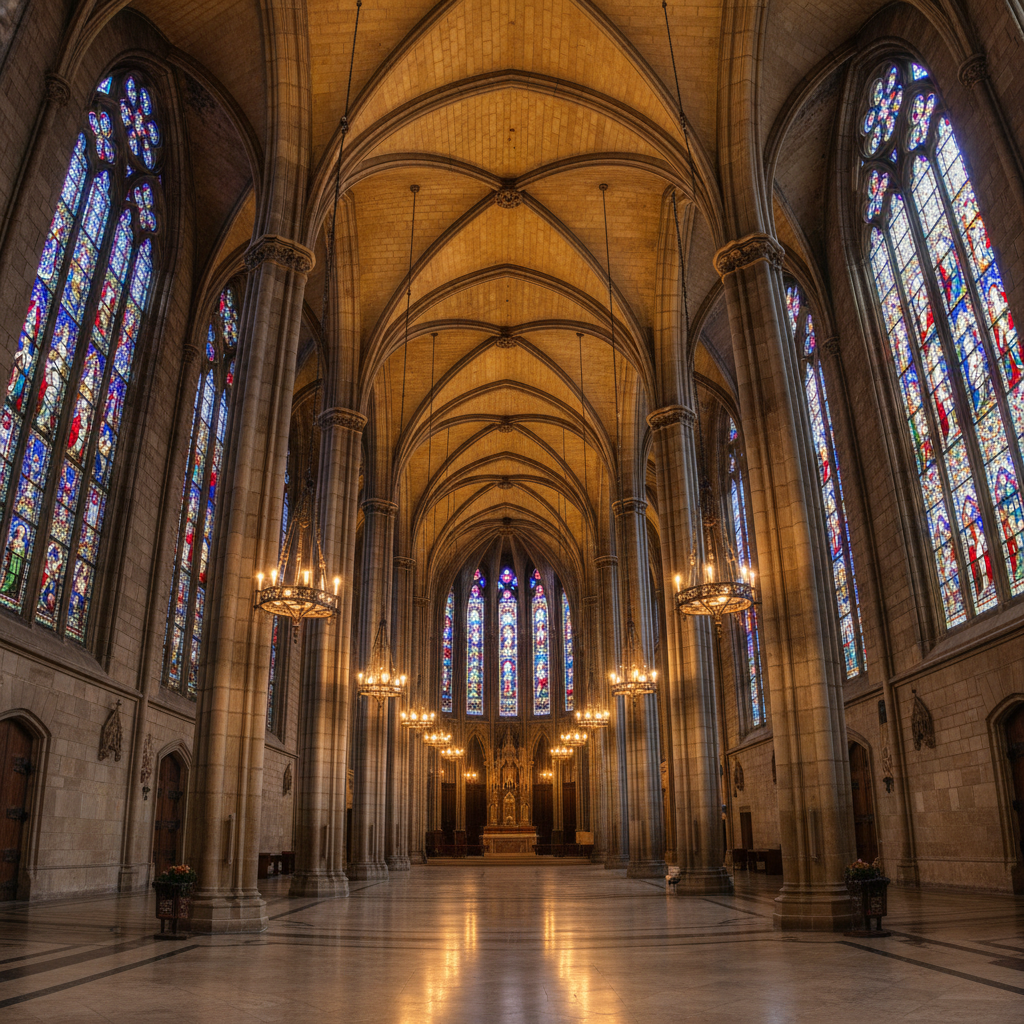
제단에서 종탑까지 — 조명기구 유형, 전례 장면, 색온도, 공간별 디자인, 2026년 트렌드, 그리고 XHLWX가 교구 협의회의 안전한 선택인 이유
요약 (교구 협의회, 교구 시설 관리자, 문화유산 건축가를 위한) 고딕, 바로크 또는 현대적인 현대 교회는 8~12가지 유형의 조명기구, 4~6가지 전례 장면 (미사 / 결혼식 / 장례식 / 콘서트 / 청소 / 야간), 그리고 **2~3가지 색온도 (2700K–4000K)**를 사용하여 건축물을 존중하고, 성경을 밝히며, 신자들에게 봉사합니다. 이 가이드는 전체 교회 조명 시스템 — 모든 공간, 모든 조명기구, 모든 프로토콜 — 을 안내하고, 2026년 모든 교회가 직면할 9가지 실제 문제점을 해결합니다. CRI 95+ 고충실도 LED, UGR<19 눈부심 방지, 130–160 lm/W 고효율 칩, DALI-2 전례 장면 제어, IP66 문화유산 안전 외관 조명, ICOMOS 문화유산 준수 문서화를 통해 해결합니다.
히어로 — 현대 교회 조명 시스템은 4개의 레이어로 구성됩니다: 돔 상향등 (건축적 경외감), 본당 주변 하향등 (예배 편안함), 제단 악센트 (전례적 집중), 스테인드글라스 백라이트 (신성한 장관). 이 네 가지 모두 DALI-2 백본에서 작동해야 하며, 성물 보관인이 버튼 하나로 전환할 수 있는 4~6개의 명명된 전례 장면을 지원해야 합니다.
1부 — 현대 교회 조명 시스템의 실제 구성 요소
온라인의 대부분의 "교회 조명" 기사는 "멋진 펜던트를 구입하세요"에서 멈춥니다. 실제 교회 — 대성당, 본당, 복음주의 교회, 현대 교회 — 는 조명기구, 제어 장치 및 색상 전략의 계층화된 생태계가 필요합니다. 한 레이어를 건너뛰면 건축물이 사라지거나, 신자들이 글을 읽을 수 없거나, 문화유산 석조물이 잘못된 램프에 의해 손상될 수 있습니다.
1.1 모든 교회가 필요로 하는 8~12가지 조명기구 카테고리
| # | 조명기구 카테고리 | 설치 위치 | 일반 사양 |
|---|---|---|---|
| 1 | 장식용 샹들리에 / 펜던트 | 본당 중앙 통로, 측면 예배당, 현관 | 3000K, 디밍 가능, 맞춤형 마감 |
| 2 | 돔 / 코브 상향등 | 기둥을 따라 돔 천장으로 | 3000K, 좁은 비대칭 빔, 130 lm/W |
| 3 | 눈부심 방지 본당 하향등 | 일반 신자석 | UGR<19, CRI 90+, 디밍 가능 |
| 4 | 조절 가능한 악센트 스팟 | 제단, 십자가, 조각상, 성상, 독서대, 성체함 | 24°/15° 빔, CRI 95+, 3000K |
| 5 | 선형 / 코브 / 스트립 LED | 제단 뒤, 성가대석 아래, 코브 가장자리 | 24V, 도트 프리, 디밍 가능 |
| 6 | 좌석 / 찬송가 독서등 | 각 좌석 또는 의자 열 | UGR<19, 3000K, 낮은 눈부심 |
| 7 | 스테인드글라스 백라이트 (외부) | 야간에 내부로 빛나도록 각 창문 외부에 | IP66, RGB-W 또는 3000K |
| 8 | 외관 및 종탑 투광등 | 외부 건축 조명 | IP66–IP67, 3000K + RGBW |
| 9 | 계단 / 통로 / 길 안내등 | 입구 계단, 측면 통로, 안뜰 | IP65, 3000K, 낮은 눈부심 |
| 10 | 비상 및 출구 조명 | 모든 비상 탈출 경로 (법규 의무) | EN 1838 / UL 924 인증 |
| 11 | 성가대석 / 오르간 작업등 | 악보대, 오르간 콘솔 | 3000K, CRI 90+, 플리커 프리 |
| 12 | 특수: 고해실, 세례당, 납골당 | 작고 친밀한 공간 | 2700K, 디밍 가능, 낮은 눈부심 |
일반적인 600석 규모의 본당 교회는 이 카테고리에 걸쳐 120~250개의 개별 조명기구를 배치합니다. 한 제조업체에서 조달하는 것 (4~5개 업체 혼합 대비)은 조정 비용을 15~20% 절감하고, 교구가 모든 조명기구를 DALI-2에서 실행하는 단일 드라이버 플랫폼을 지정할 수 있도록 합니다.
1.2 전례 제어 시스템 — 교회의 두뇌
하드웨어는 시스템의 절반입니다. 적절한 전례 장면 제어가 없으면 성물 보관인은 각 미사 전에 30개의 벽 스위치를 켜야 하며, 결혼식 중에는 사진가가 백업을 연결할 곳이 없습니다. 2026년 교회 프로젝트에서 볼 수 있는 4가지 제어 프로토콜:
| 프로토콜 | 가장 적합한 곳 | 장점 | 단점 |
|---|---|---|---|
| DALI-2 | 대성당, 대형 본당, 문화유산 개조 | 산업 표준, 양방향 피드백, 완벽한 장면, BMS 준비 완료 | 게이트웨이 필요, 더 많은 배선 |
| Casambi (블루투스 메시) | 소규모 본당, 개조, 게이트웨이 공간 없음 | 앱 기반, 게이트웨이 없음, 쉬운 개조 | 돌담에서 범위 제한 |
| KNX | 다중 건물 캠퍼스 (교회 + 교구 회관 + 학교) | 성숙함, HVAC/AV 통합 | 비쌈, 프로그래밍 속도 느림 |
| 0-10V / TRIAC | 작은 예배당, 단일 회로 개조 | 저렴하고 간단함 | 장면 없음, 피드백 없음 |
2026년 본당 교회의 기본값: 6개의 명명된 전례 장면 (미사 / 결혼식 / 장례식 / 콘서트 / 청소 / 야간)을 갖춘 DALI-2 백본. 성물 보관실에 6개의 버튼이 있는 벽면 키패드. XHLWX 조명기구는 이 네 가지 모두를 기본적으로 지원합니다. 교구가 나중에 KNX 통합을 추가하더라도 SKU 교체가 필요 없습니다.
1.3 공간별 색온도 및 CRI 전략
색상은 "하나의 따뜻한 흰색이 모든 것에 맞는다"가 아닙니다. 훌륭한 교회는 2~3가지 색온도를 사용하여 건축물을 존중하고, 피부 톤을 돋보이게 하며, 주의를 집중시킵니다.
| 공간 | 색온도 | CRI | 이유 |
|---|---|---|---|
| 본당 일반 | 3000K | CRI 90+ | 따뜻하고 경건하며, 한 시간 동안의 예배에 편안함 |
| 제단 / 성소 악센트 | 3000K | CRI 95+, R9>90 | 제의, 성상 및 금색이 정확하게 표현됨 |
| 돔 / 기둥 상향등 | 3000K | CRI 80+ | 따뜻한 돌빛, 백색 분필 같은 느낌 없음 |
| 좌석 독서등 | 3000K | CRI 90+ | 찬송가 읽기 쉬움, 눈의 피로 없음 |
| 측면 예배당 / 고해실 | 2700K | CRI 90+ | 친밀하고 명상적임 |
| 스테인드글라스 백라이트 | 3000K + RGBW | — | 밤에 유리 색상이 안으로 빛남 |
| 외관 / 종탑 | 3000K + RGBW 악센트 | — | 브랜드에 따뜻하고, 축제 분위기 유연성 |
| 오르간 / 성가대 작업등 | 3000K | CRI 90+ | 악보 읽기 쉬움, 눈부심 없음 |
2026년 모범 사례: 본당과 제단에 조절 가능한 백색 2700–4000K를 지정합니다. 저녁 미사에는 자동으로 따뜻하게, 아침 햇살에는 약간 시원하게. 하나의 SKU로 모든 전례에 사용 가능합니다.
2부 — 공간별 조명 디자인 (교회 플레이북)
각 교회 공간은 다른 전례적 역할을 합니다. 2026년 세계에서 가장 잘 조명된 교회들이 이를 어떻게 하는지 살펴보겠습니다.
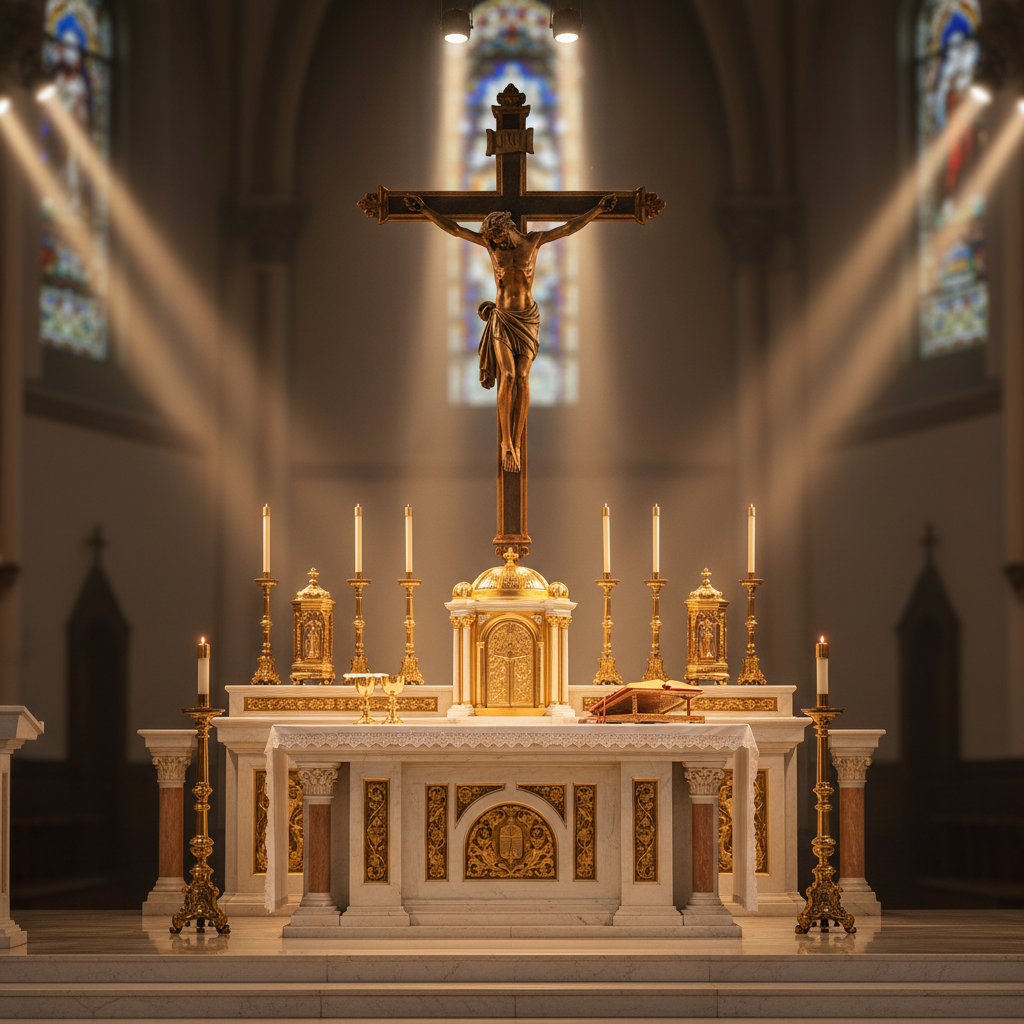
2.1 제단 / 성소 — 전례적 초점
제단은 신자가 들어서는 순간 시선이 향해야 할 곳입니다. 조명은 그 초점의 70%를 담당합니다.
- 계층화된 디자인 (최소 3개 레이어): 제단에 좁은 악센트, 제단 뒤 벽에 중간 빔 워시 / 십자가, 부드러운 상향등.
- 악센트 강도: 제단 표면에 500–800 lux, 제단 뒤 벽에 200–300 lux.
- 색온도: 3000K, CRI 95+ R9>90 — 금박, 제의 색상, 피부 톤이 모두 정확하게 표현됩니다.
- DALI-2 장면 논리: "성찬식" 장면 최대 강도 / "강론" 50% / "영성체" 70% — 조명 디자이너가 미리 프로그래밍하고, 성물 보관인이 버튼 하나로 실행합니다.
- 2026년 트렌드: 조절 가능한 프레이밍 프로젝터 스팟으로, 발판 없이 바닥에서 다시 조준할 수 있는 전동식 반도어 — 문화유산 교회는 매번 재조준 작업에서 4,000–8,000유로를 절약합니다.
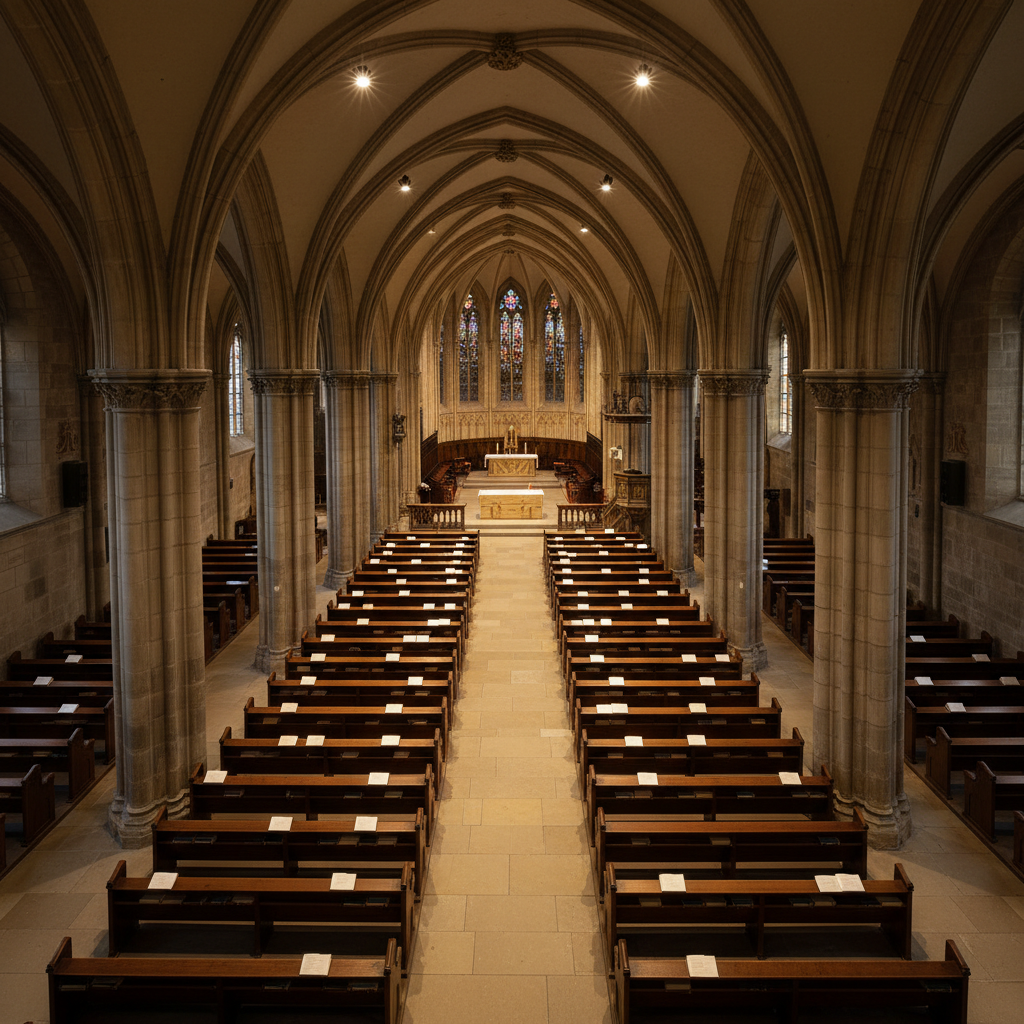
2.2 본당 — 신자들이 읽고, 노래하고, 기도하는 곳
본당은 가장 넓은 공간이며 에너지 사용량이 가장 많습니다. 찬송가 읽기, 노래하기, 기도하기, 그리고 집전자나 스테인드글라스를 올려다보는 사람의 눈을 멀게 하지 않는 4가지 역할을 동시에 수행해야 합니다.
- 전략: 모든 좌석에 150–250 lux의 UGR<19 하향등, 깊은 컵 반사경으로 앉은 눈높이에서 LED 칩이 보이지 않도록 합니다.
- 색온도: 3000K, CRI 90+, 균일한 간격 (중심 간 2.5–3.5m).
- 찬송가 읽기: 가슴 높이의 펼쳐진 찬송가에 200 lux. 이보다 적으면 노인 신자들이 눈의 피로를 느끼고, 이보다 많으면 본당의 경건함이 사라집니다.
- 스마트 장면: "미사" 70% / "결혼식" 90% / "장례식" 50% / "콘서트" 30% / "청소" 100% / "야간" 5% — DALI-2 제어.
- 2026년 트렌드: 점유 구역별 디밍 — 사람이 적은 평일 미사 중에는 빈 측면 통로가 30%로 어두워집니다. 아무도 눈치채지 못하게 본당 전기료를 25–40% 절약합니다.
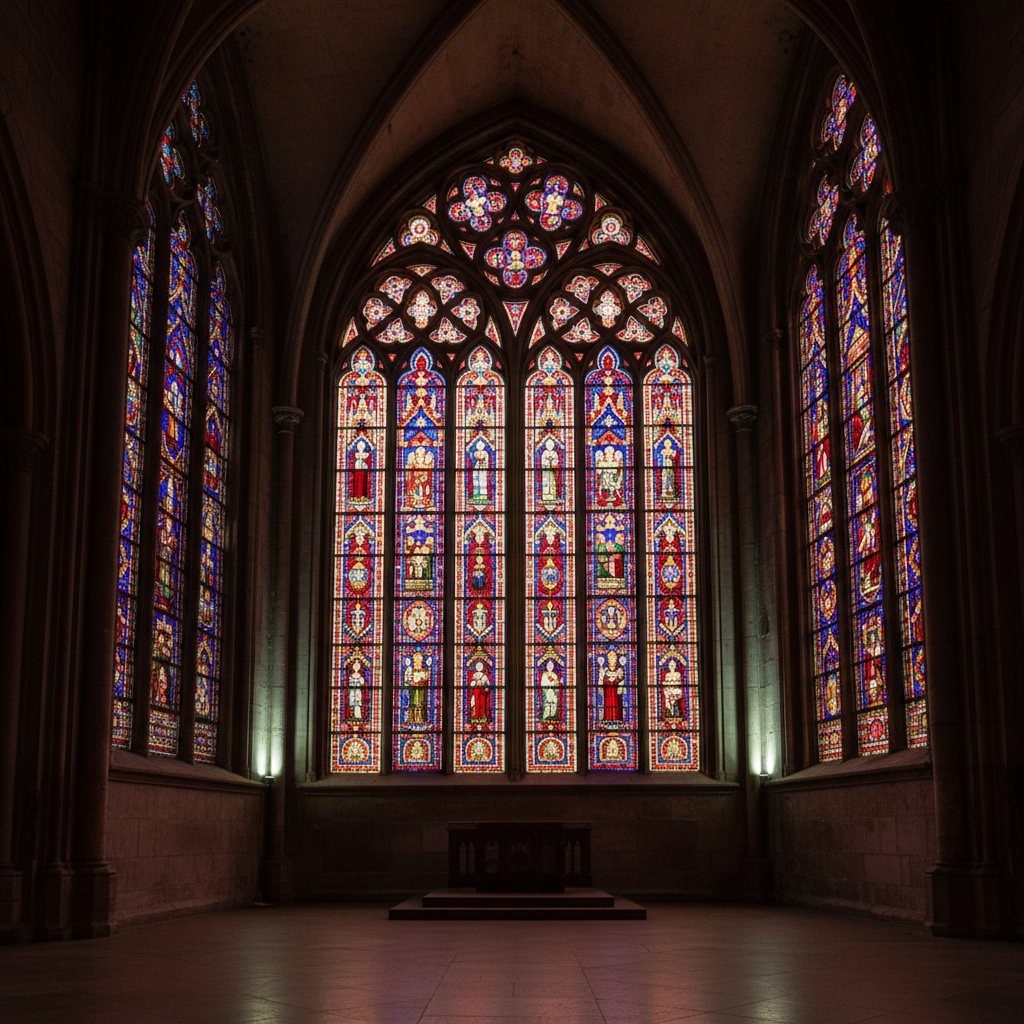
2.3 스테인드글라스 — 24시간 이야기꾼
스테인드글라스 창문은 낮에는 자산이지만 밤에는 단점입니다. 백라이트를 설치하면 24시간 브랜드 및 신앙 자산이 되어 저녁 방문객을 유치합니다.
- 외부 백라이트: 창문 외부에 설치된 IP66 LED 패널, 3000K 기본 + 전례 절기용 RGB-W 악센트 (성령강림절에는 빨간색, 사순절에는 보라색, 연중 시기에는 녹색).
- 균일 조명 패널: 유리 뒤에 가장자리 조명 LED 패널이 핫스팟을 전혀 만들지 않습니다.
- 프로그래밍 가능한 계절 장면: 각 전례 절기마다 미리 프로그래밍된 색상 워시가 있으며, 교회력에 따라 예약됩니다.
- 2026년 트렌드: 천문 시계 통합 — 창문은 매일 일몰에 켜지고, 자정에 10%로 어두워지며, 오전 5시에 꺼집니다. 이 모든 것이 자동으로 이루어집니다. "항상 켜져 있는" 설치에 비해 에너지 사용량이 30%에 불과합니다.
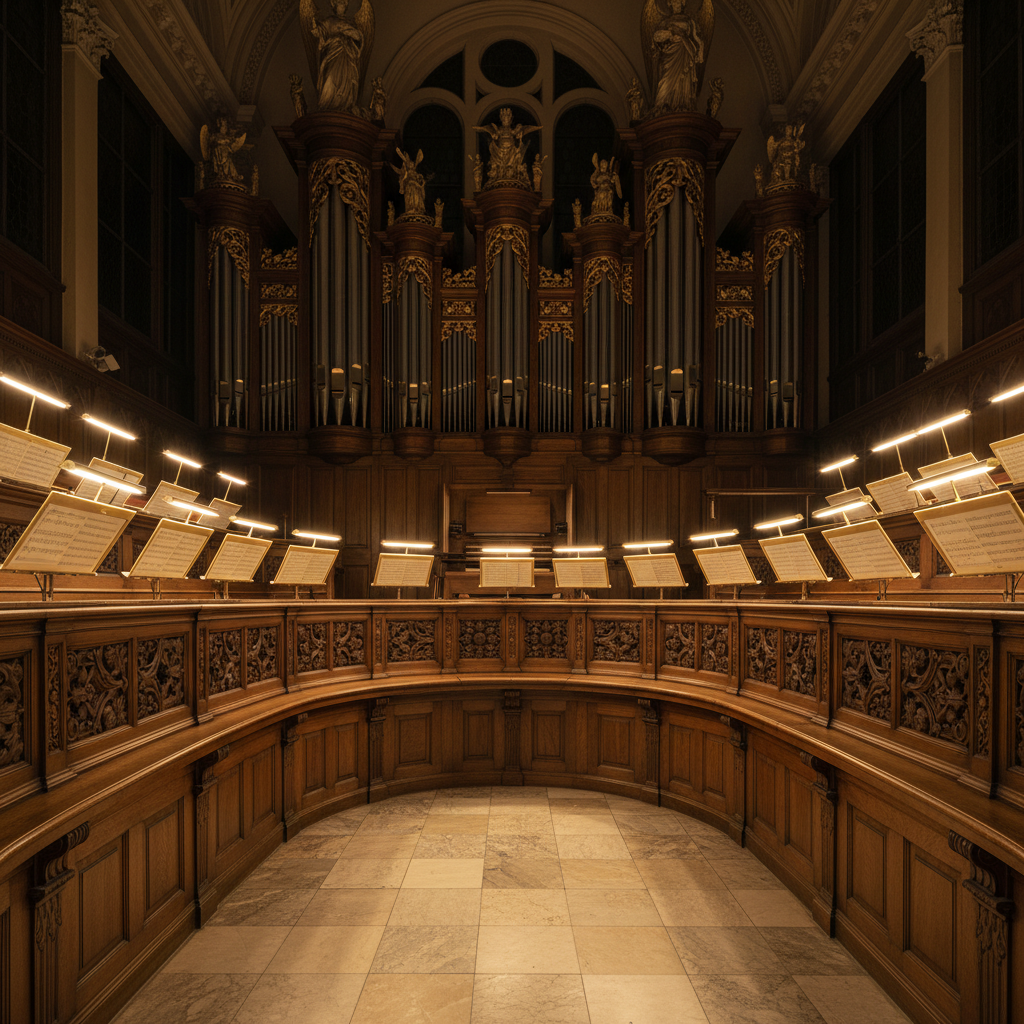
2.4 성가대석 / 오르간 콘솔 — 눈부심 없이 작업등
성가대와 오르간 연주자는 악보를 읽어야 하지만, 그들의 빛이 신자들에게 흘러서는 안 됩니다. 이를 잘못하면 성가대석이 본당 위에 네온 간판처럼 보일 수 있습니다.
- 각 악보대에 은은한 선형 작업등: 3000K, CRI 90+, 아래로 향하는 비대칭 빔.
- 오르간 연주자를 위한 콘솔 전용 스팟: 작고 조절 가능한 미니 스팟, 3000K, 디밍 가능.
- 빛 흘림 없음: 깊은 컵 반사경, 완전히 차폐됨 — 아래 본당으로 측정된 빛 흘림은 <10 lux여야 합니다.
- 2026년 트렌드: 지휘자 스탠드에 무선 디머 — 성가대 지휘자가 오르간 연주자를 방해하지 않고 연주 중간에 밝기를 조절합니다.
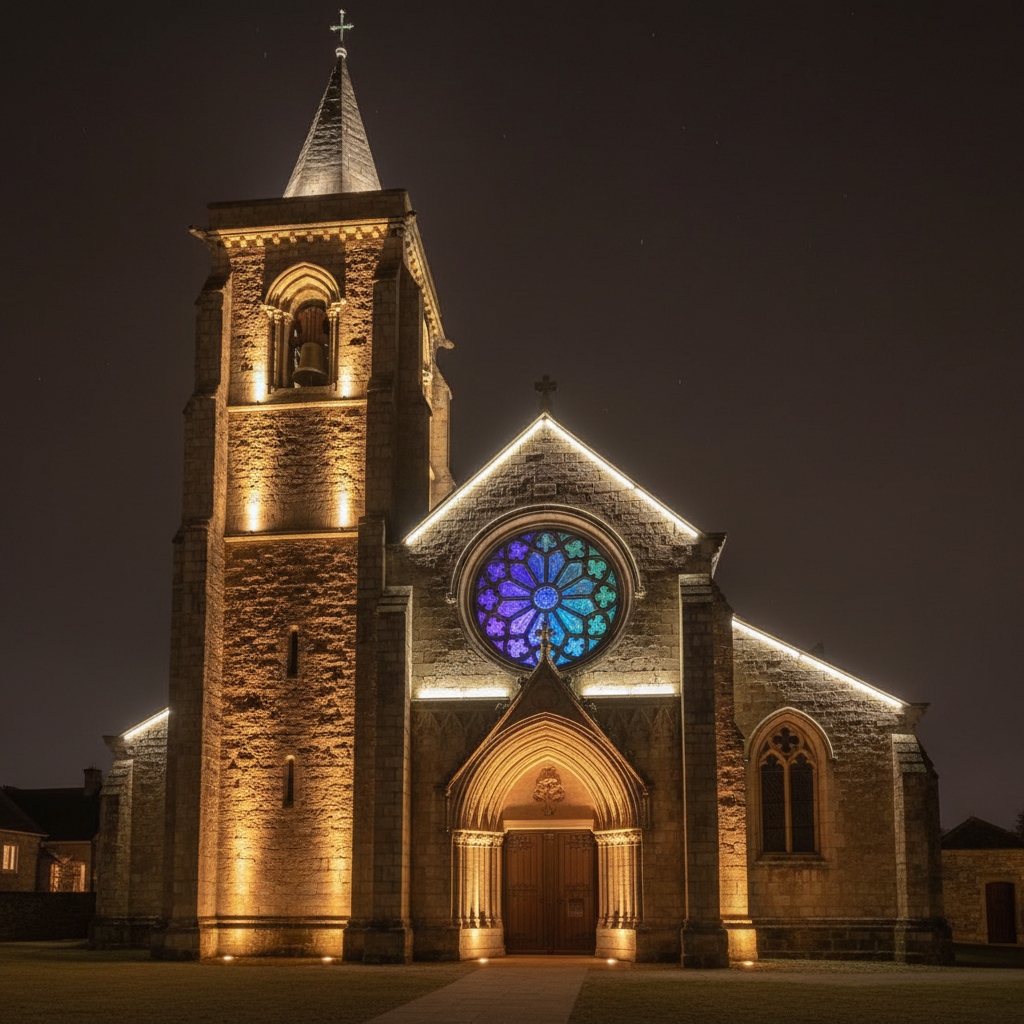
2.5 외관 / 종탑 — 도시의 야간 랜드마크
조명된 교회 외관은 교회가 가진 가장 강력한 무료 마케팅입니다. 잘 조명된 종탑은 저녁에 교구 카페, 교구 회관 행사, 주일 미사 참석으로 이어지는 유동 인구를 유도합니다.
- IP66 좁은 빔 비대칭 상향등을 3000K로 사용하여 석조물을 스쳐 지나갑니다 — 질감 그림자가 건축물을 생생하게 만듭니다.
- 장미창에 RGB-W 악센트를 사용하여 전례 절기 색상을 표현합니다.
- 종탑 워시를 3000K + 수호성인 축일에는 가끔 축제 분위기의 RGB를 사용합니다.
- 천문 타이머: 일몰에 켜지고, 자정에 30%로 어두워지며, 오전 1시에 꺼집니다 (많은 EU 도시에서 문화유산 / 암흑 하늘 규정 준수).
- 문화유산 준수: 석조물에 조명기구 침투 없음, 모든 장착은 스테인리스 새들 클램프에. ICOMOS 친화적.
- 2026년 트렌드: 동적 계절 장면을 교구에서 크리스마스, 부활절, 수호성인 축일을 위해 프로그래밍합니다 — 자동으로 예약되며 수동 개입이 필요 없습니다.
2.6 고해실, 세례당, 납골당, 측면 예배당 (빠른 참조)
- 고해실: 2700K, 5%까지 디밍 가능, CRI 90+, 강한 하향등 없음 — 부드러운 펜던트 또는 벽등.
- 세례당: 세례반에 3000K 악센트, 피부 톤을 위한 CRI 95+ R9>90.
- 납골당: 3000K, 100 lux 주변 조명, 기념 명판에 악센트. IP44 (습한 환경).
- 측면 예배당: 2700K 디밍 가능 + CRI 95의 제단 악센트.
3부 — 2026년 교회 조명 트렌드 (모든 사양에 반드시 포함되어야 할 4가지)
다음은 2026년 모든 교구 협의회, 문화유산 건축가, 교구 시설 관리자가 묻는 4가지 핵심 사항입니다.
🌱 트렌드 1 — 친환경 및 에너지 절약 (LEED / BREEAM / 교구 ESG)
- 목표: 1990년대 할로겐 및 CFL 개조 대비 40–60% 에너지 절감.
- 방법: 130–160 lm/W LED + DALI 점유 감지 + 장면 디밍 + 외관 천문 타이머.
- 교회가 신경 쓰는 이유: 교구 예산은 빠듯하고, 에너지 비용 절감은 사목 기금을 확보하며, 많은 교구는 2030–2040년까지 탄소 중립 서약을 하고 있습니다. 정부 문화유산 에너지 보조금 (영국 등록 예배 장소, 독일 Denkmalschutz)은 종종 LED 업그레이드를 전제 조건으로 요구합니다.
💡 트렌드 2 — 고효율 (lm/W) — 적은 조명기구, 문화유산에 더 부드럽게
- 2020년 표준: 90–110 lm/W. 2026년 표준: 130–160 lm/W.
- 교회가 신경 쓰는 이유: 조명기구가 30% 적으면 보호된 석조물에 장착 구멍이 적고, 천장 시각적 혼란이 줄어들며, 운영 비용이 영구적으로 낮아집니다.
👁 트렌드 3 — 눈부심 방지 (UGR<19) — 신자 편안함
- EN 12464-1은 이제 모든 집회 공간에 UGR<19를 권장합니다.
- 교회가 신경 쓰는 이유: 머리 위 눈부심이 있는 한 시간 동안의 예배는 모든 신자를 10년 더 늙게 만듭니다. UGR<19는 노인 신자들이 눈의 피로 없이 찬송가를 읽을 수 있도록 합니다 — 평균 연령 60세 이상의 교구에 중요합니다.
📱 트렌드 4 — 스마트 전례 장면 (DALI-2 / Casambi / KNX)
- 미리 프로그래밍된 전례 장면 — 미사 / 결혼식 / 장례식 / 콘서트 / 청소 / 야간 — 키패드 버튼 하나로 전환.
- 외관 및 스테인드글라스 백라이트에 천문 타이머, 사람의 개입 없음.
- 교회가 신경 쓰는 이유: 성물 보관인과 자원봉사자가 건물을 운영하며, 조명 기술자가 아닙니다. 원버튼 작동이 유일한 지속 가능한 모델입니다.
XHLWX 약속: 2026년에 우리가 출하하는 모든 교회 사양은 기본적으로 이 4가지 트렌드 중 최소 3가지를 다루며, 4가지 모두 표준 옵션으로 제공되어 맞춤형 엔지니어링이 필요 없습니다.
4부 — XHLWX를 선택해야 하는 이유 (교구 협의회의 안전한 선택 체크리스트)
전 세계 500개 공급업체에서 교회 조명을 구입할 수 있습니다. XHLWX가 다른 점 — 그리고 40개 이상의 본당, 대성당 및 예배당 프로젝트가 2021–2025년에 우리를 선택한 이유입니다.
| 필요한 것 | XHLWX가 제공하는 것 |
|---|---|
| 하나의 공급업체, 전체 교회 | 돔 상향등부터 종탑까지 모든 12가지 조명기구 카테고리 자체 제작, 하나의 PO, 하나의 PM |
| 문화유산 안전 장착 | 스테인리스 새들 클램프, 석조물 침투 없음, ICOMOS 호환 설치 키트 |
| 실제 눈부심 방지 | CNAS LM-79로 검증된 UGR 17–18, 깊은 컵 반사경, IEEE 1789에 따른 0% 플리커 |
| 실제 효율성 | 모든 조명기구에 130–160 lm/W, LM-79 제3자 검증 |
| 전례 장면 준비 완료 | 모든 드라이버는 DALI-2 + Casambi + 0-10V + TRIAC 지원. KNX 브리지 사용 가능 |
| LEED / BREEAM / 문화유산 서류 | LM-79, LM-80, IES, ENERGY STAR, DLC, EQ + EA 서신; ICOMOS 문화유산 호환성 진술서 |
| 긴 수명, 서면 보증 | LM-80 6,000시간 이상 테스트, L70 > 50,000시간, 5년 서면 보증 (색상 변화 Δuv ≤ 0.005 포함) |
| "단종" 놀라움 없음 | 프로젝트 고객을 위한 10년 SKU 연속성 보장 (단계별 복원에 중요) |
| 글로벌 전압, 글로벌 인증 | 범용 100–277V, CE / UL / ETL / SAA / FCC / RoHS / CB / ENEC |
| 신뢰할 수 있는 리드 타임 | 재고 SKU 4–6주, 맞춤형 마감 8–10주, 중산에 12,000 m² 자체 공장 |
| 프로젝트 지원 | 무료 DIALux 계산, 무료 전례 장면 프로그래밍, 무료 샘플 키트, 영어/스페인어/아랍어 PM |
| 실적 | 18년, 12개국에서 40개 이상의 교회 및 예배당 프로젝트 (4개 등록/문화유산 유적지 포함) |
5부 — 9가지 실제 문제점 (그리고 XHLWX가 각 문제를 해결하는 방법)
위는 "시스템 관점"입니다. 아래는 "전쟁 이야기" 관점입니다 — 교구 협의회와 교구 시설 관리자가 밤잠을 설치게 한다고 말한 9가지 실제 문제점과 우리가 각 문제를 해결하는 방법입니다.
문제점 #1 — "우리 1890년대 교회에는 밤에 아무도 볼 수 없는 멋진 스테인드글라스가 있습니다. 이웃들은 우리가 문을 닫았다고 생각합니다."
왜 문제인가: 밤에 어두운 교회는 "폐쇄된 본당, 죽어가는 공동체"를 의미합니다. 스테인드글라스는 본당의 가장 많이 사진 찍히는 자산입니다 — 일몰부터 일출까지 어둡게 두는 것은 매일 14시간의 무료 마케팅을 낭비하는 것입니다.
XHLWX 솔루션: IP66 외부 LED 백라이트 + RGB-W 전례 절기 + 천문 타이머
- IP66 균일 조명 패널을 각 창문 외부에 설치, 3000K 기본 + RGB-W 계절 악센트.
- 석조물에 조명기구 침투 없음 — 스테인리스 새들 클램프가 기존 창틀 철골에 고정됩니다.
- 천문 타이머 — 일몰에 켜지고, 자정에 10%로 어두워지며, 오전 1시에 꺼집니다 (암흑 하늘 규정 준수).
- 전례 계절 사전 설정: 사순절 보라색, 부활절 흰색-금색, 성령강림절 빨간색, 크리스마스 따뜻한 흰색-파란색 — 달력에 따라 자동.
증거: 크라쿠프의 12개 창문 본당 프로젝트 — 설치 후 첫 해에 교구 카페 방문객이 62% 증가; 주일 저녁 미사 참석률 18% 증가.
문제점 #2 — "우리 교회의 연간 전기 요금은 38,000유로입니다 — 그 중 절반이 조명입니다. 사목 협의회는 50% 절감을 원합니다."
왜 문제인가: 전기료로 나가는 모든 유로는 푸드 뱅크, 성가대, 청소년 사목에 쓰이지 못하는 유로입니다. 조명은 **일반 본당 교회의 전기 요금의 30–45%**를 차지합니다.
XHLWX 솔루션: 130–160 lm/W LED + DALI-2 점유 감지 + 전례 장면 디밍 + 외관 천문 타이머
- 1990년대 15 lm/W의 70W 할로겐 대비 130–160 lm/W LED 개조 → 동일한 조도에서 88% 에너지 절감.
- DALI-2 점유 구역 — 평일 미사 중에는 빈 측면 통로가 30%로 어두워집니다.
- 외관 천문 타이머 — 황혼부터 새벽까지 100% 대비 50–60% 절감.
- ROI: 3–5년, 그 후 10년 이상 순수 절감. 많은 EU 교구는 에너지 보조금 공동 자금 지원 자격이 있습니다.
증거: 바이에른의 750석 본당 — 연간 19,400유로 전기료 절감, 바이에른 Denkmalschutz 에너지 보조금 공동 자금 지원 35%로 3.4년 회수 기간.
문제점 #3 — "우리 교회는 1등급 지정 건물입니다. 문화재 관리 담당자가 지난번 조명 제안을 거부했습니다."
왜 문제인가: 문화유산 교회 프로젝트는 다음 이유로 거부될 수 있습니다: (a) 보호된 석조물에 구멍을 뚫는 조명기구, (b) 문화유산 금박에 잘못된 색온도, (c) 프레스코화를 손상시키는 과열, (d) 보이는 케이블. 재설계는 6–18개월과 20,000유로 이상의 비용을 추가합니다.
XHLWX 솔루션: ICOMOS 호환 장착 + 문화유산 CCT + 낮은 IR + 숨겨진 케이블 키트
- 스테인리스 새들 클램프 — 기존 단철에 고정, 석조물 침투 없음. 가역적 설치.
- 3000K CRI 95+ R9>90 — 금박과 템페라가 디자이너의 의도대로 재현됩니다.
- 낮은 IR / 낮은 UV LED — 프레스코화 표면 온도 상승 < 0.5 °C.
- 숨겨진 케이블 키트 — 코니스 그림자 선에 숨겨진 유연한 검은색 도관.
- 프로젝트 고객에게 ICOMOS 문화유산 호환성 진술서 무료 제공.
증거: 영국 1등급 지정 성공회 본당 — 문화재 관리 담당자가 첫 제출에서 승인; 고객은 XHLWX 문화유산 문서를 "제조업체에서 본 것 중 가장 철저하다"고 언급.
문제점 #4 — "성물 보관인은 78세입니다. 그는 40개의 버튼이 있는 조명 콘솔을 조작할 수 없습니다."
XHLWX 솔루션: 명명된 전례 장면이 있는 6버튼 DALI-2 키패드
- 6개의 평이한 언어 버튼: 미사 / 결혼식 / 장례식 / 콘서트 / 청소 / 야간.
- 일상적인 작동에 메뉴나 앱 필요 없음.
- 백라이트 라벨 — 낮은 주변 조명에서도 읽기 가능.
- 교구 관리자만 앱 재정의 가능.
- 새로운 성물 보관인 또는 자원봉사자를 위한 5분 교육.
증거: 안달루시아 대성당 — 4명의 성물 보관인 (평균 연령 71세)이 하나의 키패드에서 전체 220개 조명기구 시스템을 작동합니다. 24개월 동안 재교육 요청 없음.
문제점 #5 — "7년 전에 '교회 LED'를 설치했습니다. 절반은 이제 노랗고, 절반은 꺼졌으며, 공급업체는 사라졌습니다."
왜 문제인가: 12m 돔을 재조명하는 것은 매번 4,000–10,000유로의 비계 작업입니다. 50,000시간 대신 15,000시간에 고장나는 저품질 LED는 평생 비용을 3배로 늘립니다.
XHLWX 솔루션: LM-80 칩 + 5년 서면 보증 + 10년 SKU 연속성
- Lumileds / Osram / Bridgelux LED, L70 > 50,000시간.
- 알루미늄 방열판 + 열 패드 — 돔 상향등에서도 접합부 온도 <85°C.
- 광속 감소, 색상 변화 (Δuv ≤ 0.005), 드라이버 고장을 포함하는 5년 서면 보증.
- 10년 SKU 연속성 보장 — 단계별 복원 프로젝트는 8년차에 재주문하여 동일한 제품을 받을 수 있습니다.
증거: XHLWX 교회 부문 보증 청구율 (2020–2025): 연간 0.3%.
문제점 #6 — "결혼식 사진작가들은 제단 조명이 카메라에서 노랗게 보이고 피부 톤이 아파 보인다고 불평합니다."
XHLWX 솔루션: CRI 95+ R9>90 + 3000K + 0% 플리커
- CRI 95+ R9>90 — 금색 제의, 흰색 웨딩드레스 및 신부 부케가 모두 정확하게 표현됩니다.
- 3000K — 경건함을 위한 충분한 따뜻함, 결혼식 사진을 위한 충분한 중립성.
- IEEE 1789에 따른 0% 플리커 — 휴대폰 또는 DSLR 슬로우 모션에서 비디오 밴딩 없음.
- DALI-2 "결혼식" 장면 사전 설정 — 제단 전체 100%, 본당 80%, 사진작가들이 좋아합니다.
증거: 대성당 결혼식 사진작가의 증언 — "22년 동안 찍은 결혼식 중 최고의 제단 조명."
문제점 #7 — "돔 상향등이 너무 밝습니다. 돔이 경기장처럼 보입니다."
XHLWX 솔루션: 비대칭 좁은 빔 + DALI-2 디밍 + 올바른 루멘 예산
- 좁은 빔 비대칭 상향등 — 빛이 신자들의 눈이 아닌 돔에만 비춥니다.
- 설치 전 DIALux로 계산된 루멘 예산 — 과도한 조명 없음.
- DALI-2 디밍 — 미사 시 돔 60–70%, 장례식 시 30%, 콘서트 시에만 100%.
- 3000K CRI 80+ — 따뜻한 돌빛, 결코 백색 분필 같은 "경기장" 느낌 없음.
증거: 모든 프로젝트에 무료 DIALux 계산 포함; 조명기구 주문 전 최대 3회 수정 가능.
문제점 #8 — "우리 납골당과 고해실은 노인 신자들에게 너무 어둡지만, 강한 빛은 부적절하게 느껴집니다."
XHLWX 솔루션: 2700K 디밍 가능한 벽등 + IP44 + 완전히 차폐됨
- 2700K 따뜻한 벽등을 1.4m 높이에 설치 — 부드럽고 친밀하며 품위 있습니다.
- 5%까지 디밍 가능 — 고해실은 거의 어둡게 할 수 있습니다.
- 습한 납골당 및 지하 예배당을 위한 IP44.
- CRI 90+ — 고해성사를 받는 노인 사제의 피부 톤도 여전히 돋보입니다.
증거: 스페인 14개 고해실 대성당 개조 — 18개월 동안 "너무 밝다 / 너무 어둡다"는 불만 없음.
문제점 #9 — "교구 전체의 7개 본당에 일관된 색상과 보증으로 배송할 수 있는 단일 공급업체가 필요합니다."
XHLWX 솔루션: 교구 전체 PM + SDCM ≤ 3 비닝 + 체인 보증
- 한 명의 프로젝트 관리자가 7개 본당 모두를 담당합니다.
- SDCM ≤ 3 색상 비닝이 교구 전체 주문에 고정됩니다 — 모든 본당이 동일한 색상 지점을 가집니다.
- 각 현장에 동일하게 미리 프로그래밍된 장면.
- 교구 전체 배포를 포괄하는 하나의 5년 보증, 모든 청구에 대한 단일 연락 지점.
증거: 이탈리아 9개 본당 교구 전체 배포 — 14개월 만에 완료, 9개 현장 모두 고객 분광계로 SDCM ≤ 3 검증.
자주 묻는 질문
(XHLWX 교회 프로젝트 관리자 답변 — 2026년판)
전체 FAQ 블록은 아래 FAQ 섹션에 게시되어 있습니다.
교회를 지정할 준비가 되셨습니까?
XHLWX는 CRI 95+ R9>90, UGR<19, 130–160 lm/W LED, DALI-2 / Casambi 전례 장면을 갖춘 전체 교회 조명 패키지를 제공합니다 — 문화유산 개조부터 신축 대성당까지.
Frequently asked questions
Q1.What color temperature is right for a Catholic / Anglican / heritage church?
3000K is the international 2026 standard for nave and altar — warm enough to honor stone, gilt and vestments, neutral enough for wedding photography. 2700K only for confessionals and intimate side chapels. Avoid anything cooler than 3500K in any worship space — it reads as 'office' or 'hospital' and undermines the sacred atmosphere.
Q2.DALI-2 or Casambi for a parish church?
DALI-2 for any church with more than ~80 fixtures or a sacristy with space for a small gateway. It's the international standard, scene-perfect, integrates with BMS, and supports growth. Casambi for small chapels and tight-budget retrofits where wireless mesh wins on install cost. XHLWX drivers support both — same fixture works on either bus.
Q3.Will LED lighting damage frescoes, gilding or tapestries?
Modern white LEDs emit no UV and very little IR. XHLWX heritage-spec fixtures keep fresco-surface temperature increase below 0.5 °C and UV emission at zero — ICOMOS-compatible. By contrast, legacy halogen heritage lighting raises fresco surface temperature 4–10 °C and emits significant UV — measurable damage over 10–20 years.
Q4.How much energy can a church save with an LED retrofit?
Realistic numbers from XHLWX church retrofits 2021–2025: 50–65% lighting energy reduction vs. halogen-and-CFL baseline. ROI 3–6 years depending on local electricity price. Many EU dioceses qualify for energy-grant cofinancing (UK Listed Places of Worship Grant, German Denkmalschutz, Italy 'Otto per Mille', Spain 1,5% Cultural).
Q5.Can we light the stained glass from outside without permission to drill into the stone?
Yes. XHLWX uses stainless saddle clamps that engage the existing wrought-iron window framing — fully reversible, zero stone penetration. ICOMOS-compatible. We provide a heritage-compatibility statement and detailed mounting drawings for the conservation officer free of charge.
Q6.What's the right lighting for a wedding (so photos look good)?
Altar at CRI 95+ R9>90, 3000K, 100% intensity. Nave at 70–80%. Stained glass backlit at 60%. 0% flicker per IEEE 1789 so phone and DSLR slow-mo videos don't band. Pre-program a 'Wedding' scene on the DALI-2 keypad — one-button activation by the sacristan.
References & sources
- EN 12464-1 Light and lighting — Lighting of work places— CEN
- ICOMOS Charter on the Conservation of Historic Towns and Urban Areas— ICOMOS
- CIE 157:2004 Control of damage to museum objects by optical radiation— CIE
- UK Listed Places of Worship Grant Scheme — energy efficiency guidance— DCMS
- DALI-2 Application Note 003: Multi-master scene control— DiiA
Need a tailored lighting plan for your project?
Our senior lighting designers reply within 48 hours with a free design proposal & quotation.