St. Michael's Cologne: Heritage Relighting Enhances Sacred Ambiance
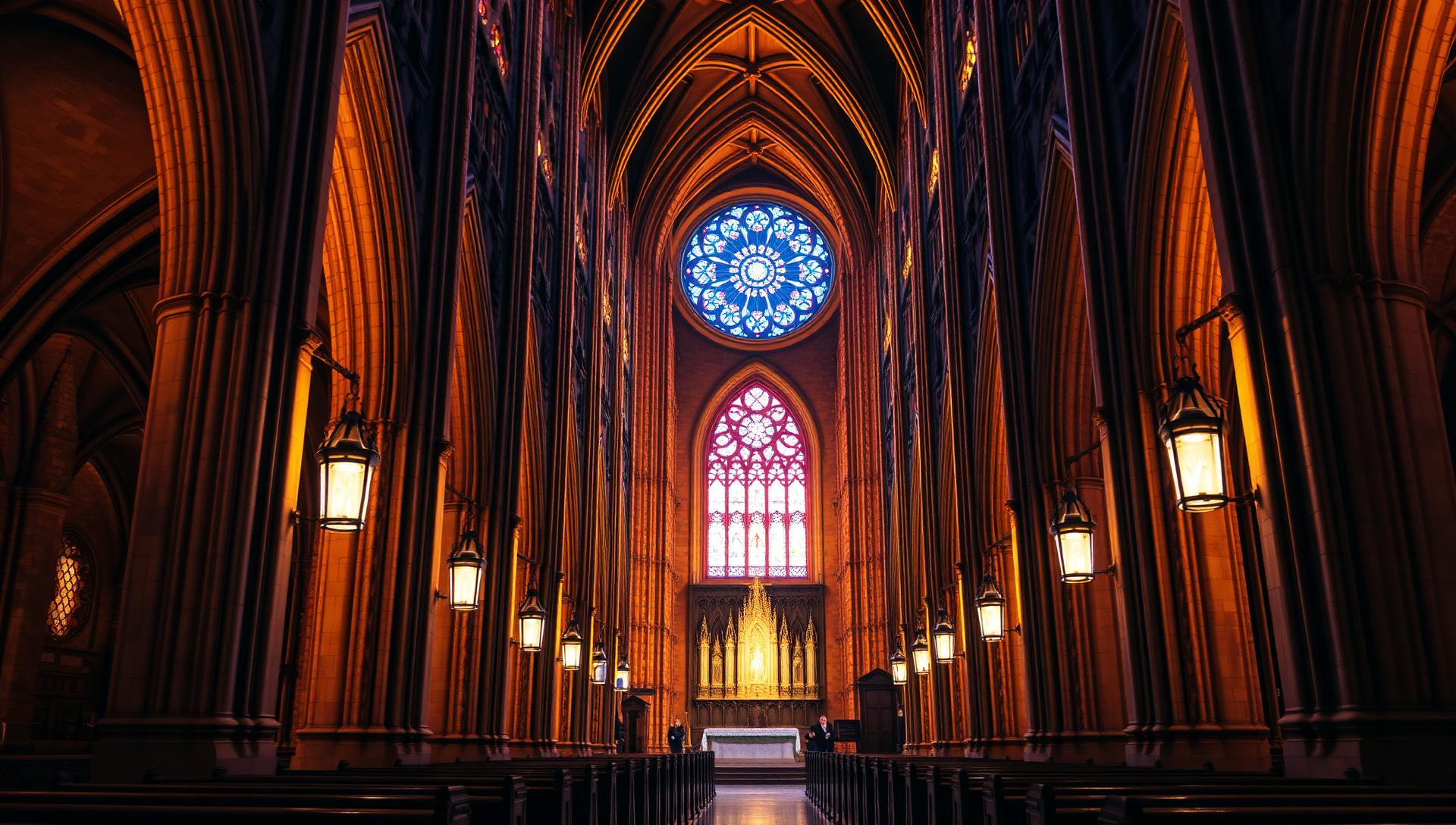
Completed in 1906, St. Michael's Cathedral is a significant landmark in the Belgian Quarter of Cologne, Germany. An imposing example of neo-Romanesque architecture, its vast interior, soaring vaulted ceilings, and intricate stonework create a profound sense of scale and history. For over a century, it has served as a center for worship, community, and quiet contemplation. However, its vital role was being undermined by an aging and inefficient lighting system that no longer served the needs of the parish or the integrity of the architecture.
Project Background: A Sacred Space in Need of Illumination
The previous lighting installation, relying on a patchwork of outdated high-pressure sodium and metal halide fixtures, presented a host of challenges for the church administration. These legacy systems, while powerful, were a source of constant concern and failed to render the space in its true glory.
The primary pain points included:
- Poor Light Quality and Atmosphere: The old lamps cast a harsh, uneven light with a very low Color Rendering Index (CRI). This distorted the natural tones of the sandstone columns, artworks, and ornate mosaics. Large areas of the nave and side chapels remained in deep shadow, creating an unwelcoming and visually disjointed environment that detracted from the spiritual experience.
- Exorbitant Energy and Maintenance Costs: The existing fixtures were incredibly energy-intensive, leading to high electricity bills that strained the church's operational budget. Furthermore, their short lifespan necessitated frequent and difficult lamp replacements. Accessing fixtures located high in the vaulted ceilings required specialized lifts and significant labor, causing disruption and recurring costs.
- Lack of Flexibility and Control: The lighting system was a simple on/off affair, devoid of any dimming or zoning capabilities. This 'one-size-fits-all' approach was unsuitable for the varied activities hosted within the cathedral, from a quiet weekday prayer service to a grand wedding, a choral concert, or a major liturgical celebration. The inability to create different moods and focus attention where needed was a major functional limitation.
- Visual Discomfort: Glare from poorly shielded, high-intensity lamps was a common complaint from the congregation. This visual noise was distracting during services and made it difficult for visitors to appreciate the architectural details without discomfort.
Recognizing the need for a comprehensive overhaul, the parish committee sought a modern lighting solution that would not only solve these practical issues but also honor and enhance the cathedral’s unique architectural and spiritual character. They required a partner who understood the delicate balance between technological innovation and heritage preservation. XHLWX Lighting was chosen for our proven expertise in large-scale heritage projects and our commitment to a collaborative design process.
The XHLWX Solution: A Symphony of Light and Shadow
Our design philosophy was one of reverence and revelation. The goal was not to flood the space with uniform light, but to sculpt it, using light and shadow to create a hierarchy of vision, guide the eye, and foster a contemplative atmosphere. We proposed a multi-layered lighting scheme using a carefully curated selection of our high-performance LED luminaires, all chosen for their optical precision, energy efficiency, and discreet physical presence.
The layers of light were designed as follows:
- Ambient Layer: To provide soft, general illumination for the main nave and seating areas, we concealed an array of our
XHL-LFL-Grace 70W Asymmetric Wallwashersalong existing high-level ledges. Their asymmetric distribution casts a broad, even wash of light down the stone walls and across the floor, creating a comfortable and safe base level of light without any visible source from below. - Architectural Layer: The magnificent vaulted ceilings are a defining feature of St. Michael's. To celebrate this, we strategically positioned
XHL-UPL-Aura 30W Floor-Recessed Uplightersat the base of the main structural columns. Their powerful, controlled optics graze the columns and vaults, revealing the texture of the stone and the elegant rhythm of the architecture. This creates a sense of lift and grandeur, drawing the eye upward. - Accent Layer: Key liturgical and architectural elements were given special attention.
XHL-TS-Focus 15W Track Spotlights, equipped with narrow 8° beam angles and honeycomb louvres, were discreetly integrated onto minimalist tracks. These were used to precisely highlight the main altar, the pulpit, the baptismal font, and specific religious statues. This focal glow, or 'focal layer,' establishes visual importance and guides the congregation's focus during services.
All fixtures were specified with a warm 3000K Correlated Color Temperature (CCT) to create a welcoming and historically appropriate ambiance, complementing the warm tones of the sandstone interior.
Technical Highlights: Precision, Comfort, and Control
Our solution was built upon a foundation of cutting-edge technology tailored for the sensitive heritage environment. Three key features stand out:
- Superior Glare Control (UGR<19): In a place of worship, visual comfort is paramount. Every luminaire selected for this project was engineered for minimal glare. Our spotlights feature deep-recessed LED sources and snoot accessories to eliminate any direct view of the light engine. The wallwashers and uplighters are carefully aimed so that their light is directed solely onto the intended architectural surfaces. The resulting Unified Glare Rating (UGR) of less than 19 in all congregational areas ensures a comfortable, distraction-free environment conducive to prayer and reflection.
- Advanced Wireless Control (DALI-Casambi): Installing new control wiring in a century-old, solid-stone building would have been prohibitively invasive, costly, and potentially damaging. We bypassed this entirely by implementing a DALI-Casambi wireless control system. Each luminaire is connected to a small DALI-to-Bluetooth node. This creates a robust, decentralized mesh network, allowing for individual and group control of all fixtures without a single new control cable. The church staff can now effortlessly select pre-programmed lighting scenes from a tablet or wall-mounted switches. Scenes include 'Daily Mass', 'Ceremonial', 'Concert', 'Architectural Showcase', and 'Cleaning/Maintenance', each providing the perfect light levels and atmosphere for the occasion.
- Exceptional Color Fidelity (CRI 95+): To reveal the true material beauty of St. Michael's, we specified fixtures with a Colour Rendering Index (CRI) exceeding 95. This museum-grade light quality ensures that the subtle hues of the stonework, the rich tones of the wooden choir stalls, the vibrant colours of the vestments, and the intricate details of the painted artworks are rendered with stunning accuracy and vitality. The difference from the old, colour-distorting sodium lighting is transformative, breathing new life and authenticity into the sacred art and architecture.
Installation & Commissioning: Respecting the Past
The project's success depended heavily on a meticulous and respectful installation process. Working in an active and protected heritage site demanded careful planning and coordination.
Our team collaborated closely with the cathedral's administration and heritage consultants. The installation schedule was phased to work around daily mass, services, and other church events, ensuring minimal disruption. We made extensive use of existing mounting points and electrical infrastructure, with our wireless control system eliminating the need for chasing walls or running new conduits. All on-site work was conducted with the utmost care to protect the historic fabric of the building.
The commissioning phase was equally critical. XHLWX engineers spent several days on-site after installation, painstakingly aiming and focusing each of the hundreds of luminaires. Working in the evenings to simulate real-world conditions, we adjusted dimming levels and refined the pre-programmed scenes in direct consultation with the clergy. This hands-on process ensured the final lighting scheme perfectly aligned with their spiritual, aesthetic, and functional vision.
Measured Results: A Transformation Confirmed by Data
The relighting of St. Michael's has been an overwhelming success, delivering dramatic qualitative improvements backed by measurable performance gains.
- Illuminance Levels: We successfully achieved the planned light levels, conforming to DIN EN 12464-1 standards for places of worship. The nave now has a gentle average of 150 lux for comfortable reading, while the main altar is highlighted at a focused 500 lux. Pathways and side chapels are safely and subtly lit at 100 lux.
- Light Quality: On-site measurements confirmed a consistent CCT of 3000K and a CRI of >95 across all lit areas, bringing a newfound warmth and clarity to the interior.
- Energy Savings: The most significant quantitative result is the drastic reduction in energy consumption. The new XHLWX LED system, including all layers of light at full capacity, consumes 78% less energy than the previous installation. This translates into substantial annual savings on the church's electricity budget, freeing up funds for pastoral and community work. The 50,000+ hour lifespan of the LED fixtures also slashes maintenance requirements to near-zero, eliminating the cost and disruption of regular lamp changes.
The feedback from the parish and visitors has been unanimously positive. The cathedral is now perceived as more welcoming, its architectural majesty is fully revealed, and the atmosphere for worship is more profound than ever.
FAQ
Q1: How did you manage the installation without damaging the historic fabric of the cathedral? A1: Respect for the building was our top priority. We maximized the use of existing mounting locations and power supplies. The key technology was the DALI-Casambi wireless control system, which eliminated the need for any new control wiring, thus avoiding any chasing or drilling into the historic stone and plasterwork. Our installation team worked meticulously to ensure every fixture was mounted discreetly and securely without harm.
Q2: Can the lighting be easily adjusted for different types of events? A2: Absolutely. The wireless Casambi control system is operated via a simple app on a tablet. We programmed several custom scenes in collaboration with the church staff, such as 'Sunday Service', 'Evening Prayer', 'Concert', and 'Private Meditation'. A single tap can completely transform the atmosphere, adjusting which areas are lit and to what brightness. This gives the church complete, intuitive control over their environment.
Q3: What are the long-term benefits of the new LED system? A3: The primary long-term benefits are significantly lower operating costs and sustainability. The system provides a 78% reduction in energy consumption, leading to major financial savings year after year. Furthermore, with a rated lifespan of over 50,000 hours, the fixtures will require virtually no maintenance for decades, eliminating the cost and disruption of lamp replacements. This ensures the beauty of St. Michael's will be sustainably and reliably illuminated for a generation to come.