
Correctional Facility Lighting 2026: Vandal-Resistant Guide
Quick answer
Explore 2026 correctional facility lighting design. This guide covers vandal-resistant IK10 fixtures, EN 12464-1 standards, and DALI-2 controls for safe, secu
Introduction — the Design Problem in Secure Environments
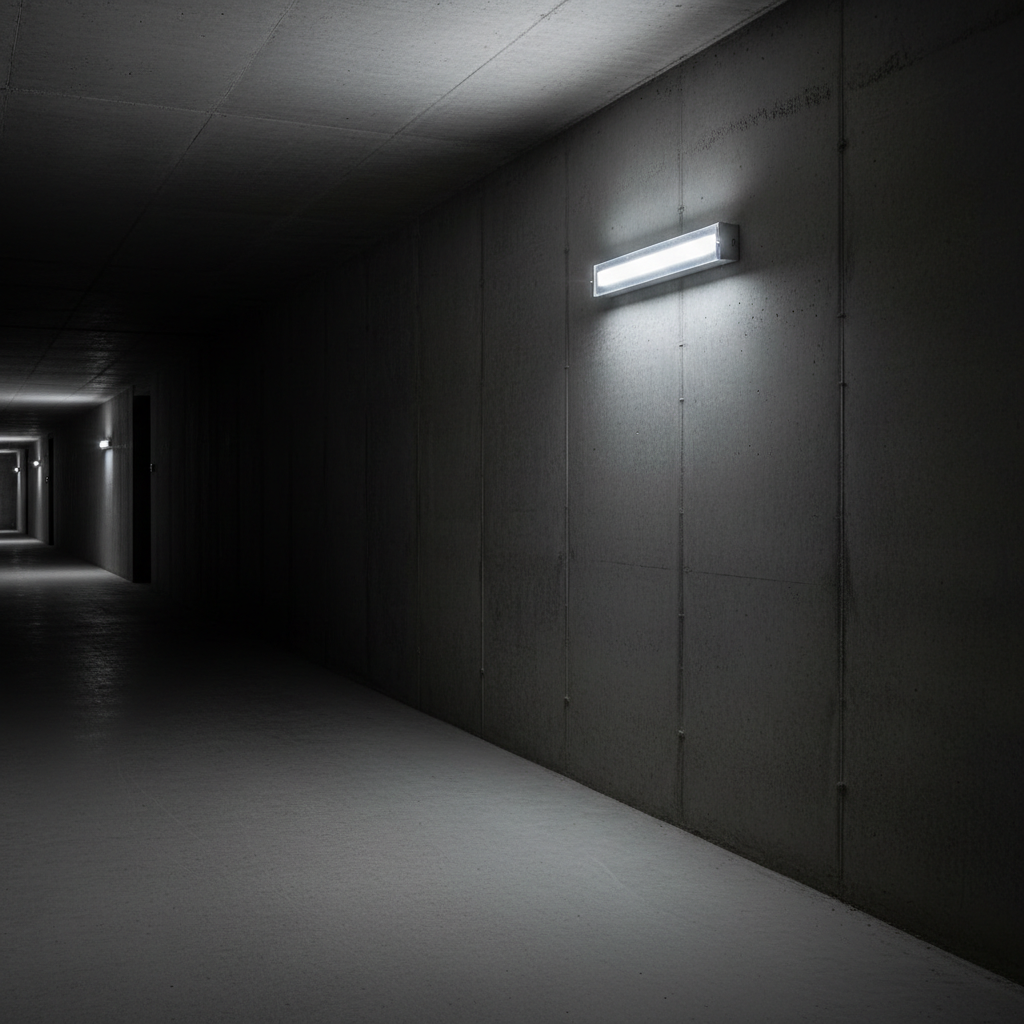
At XHLWX (led-project-light.com), a Custom Indoor LED Lighting Manufacturer based in China, we understand the unique challenges of designing for secure environments. Lighting in correctional facilities, prisons, and detention centers is a critical component of safety, security, and operational efficiency. The design must go far beyond simple illumination; it must prioritize the prevention of self-harm, withstand extreme vandalism, and support the well-being of both inmates and staff. Fixtures must be completely tamper-proof, anti-ligature (presenting no points from which a cord or cloth can be looped), and robust enough to prevent any component from being removed or weaponized. This guide provides a comprehensive framework for specifying LED lighting solutions that meet the stringent demands of modern correctional facilities, balancing human-centric principles with non-negotiable security protocols for projects in the EU, US, and Middle East.
Lighting Criteria and Standards for This Application
Robust lighting must meet stringent safety and performance standards for secure correctional environments. The primary goal is to provide adequate visibility for surveillance and daily tasks while minimizing glare and creating a normalized, non-oppressive atmosphere where possible. Compliance with international and regional standards is not optional; it is fundamental to project approval and operational safety. Key standards like Europe's EN 12464-1 provide baseline illuminance targets, while ratings for impact resistance (IK) and ingress protection (IP) define the luminaire's physical durability.
For general population cells, a recommended specification targets an average maintained illuminance of 200 lux for general activities, with the ability to increase to 300-500 lux in a designated area for reading. Corridors and circulation routes require approximately 100-150 lux for safe passage and clear surveillance.
UGR (Unified Glare Rating) should be kept below 22 in corridors and below 25 in cells, a design target that can be challenging with thick, vandal-proof diffusers but is achievable with careful optical design. While not always mandated, principles from the WELL v2 standard, particularly regarding circadian lighting, are increasingly considered to help regulate inmate sleep patterns and potentially improve behavior.
| Parameter | Recommended Specification | Standard / Guideline | Notes |
|---|---|---|---|
| Correlated Color Temperature (CCT) | 4000K | EN 12464-1 | A neutral white CCT provides a clean, alert environment without feeling cold or clinical. Tunable white is a progressive option. |
| Color Rendering / TM-30 | CRI > 80 / R_f > 80 | IES RP / WELL v2 | Good color rendering is crucial for staff to accurately assess situations, including inmate health and contraband detection. |
| Control Protocol | DALI-2 | IEC 62386 | Enables centralized control, status monitoring, and energy management. Essential for implementing lockdown or emergency lighting scenes. |
| Impact Resistance | IK10+ (20 Joules) | EN 62262 | Non-negotiable. Fixture must withstand severe impacts without breaking or exposing internal components. |
| Ingress Protection | IP65 | EN 60529 | Protects against dust ingress and high-pressure water jets, necessary for robust hygiene protocols and hose-down cleaning. |
| LED Chip & Driver Brand | Osram Duris / Tridonic ADV | Manufacturer Spec | Using tier-1 components is a recommended specification for ensuring long-term reliability, high efficacy (>130 lm/W), and L80 > 50,000 hrs. |
| Certifications | CE, RoHS, ErP | EU Directives | Mandatory for the European market. ISO9001 certification demonstrates quality management system compliance. |
Luminaire Selection and Optics
Selecting the right IK10, anti-ligature luminaire is the most critical decision in correctional lighting design. The physical construction of the luminaire is its first line of defense. Housings are typically made from thick, die-cast aluminum or heavy-gauge steel, finished with a durable powder coat. The light-emitting surface is protected by a thick (often 3-6mm) UV-stabilized polycarbonate diffuser, the only material that offers the required impact resistance without shattering. All external fixings must be tamper-proof, such as pin-Torx or pin-Hex screws, which require a special tool for removal. The overall form factor is designed to be anti-ligature, meaning it is either fully recessed or shaped to prevent anything from being tied to it.
| Luminaire Type | Key Feature | Application | Verdict |
|---|---|---|---|
| Corner-Mount Anti-Ligature | Sloped, wedge-shaped profile that mounts securely into a 90-degree corner. | In-cell (general population and suicide watch), secure stairwells, seclusion rooms. | Best for High-Security Cells. This design inherently eliminates ligature points and is difficult to pry from the wall, providing both wall-wash and general light from a safe position. |
| Surface-Mount Vandal-Resistant Downlight | Robust, low-profile circular or square housing bolted directly to a concrete ceiling or wall. | Corridors, day rooms, shower areas (with appropriate IP rating), medical units. | Most Versatile. Excellent for general illumination in common areas. Its robustness is high, but placement must be carefully considered to avoid providing a potential handhold or ligature point. |
| Recessed Tamper-Proof Luminaire | Sits flush with the ceiling surface, with a secure frame and diffuser. Often installed from above the ceiling. | Administrative offices, control rooms, visitor areas, medical clinics where ceiling plenums are secure. | Best for Staff & Public Areas. Provides a clean, unobtrusive look and is highly secure, but installation requires access to the ceiling void, making it less suitable for solid concrete cell construction. |
| Heavy-Duty Linear Luminaire | A robust, IP65-rated linear profile with a thick polycarbonate diffuser and tamper-proof end caps. | Workshops, gymnasiums, sally ports, long corridors, maintenance areas. | Excellent for Large/Long Spaces. Provides uniform illumination over large areas and can be surface-mounted or suspended (in secure staff areas only) to light activity and circulation zones effectively. |
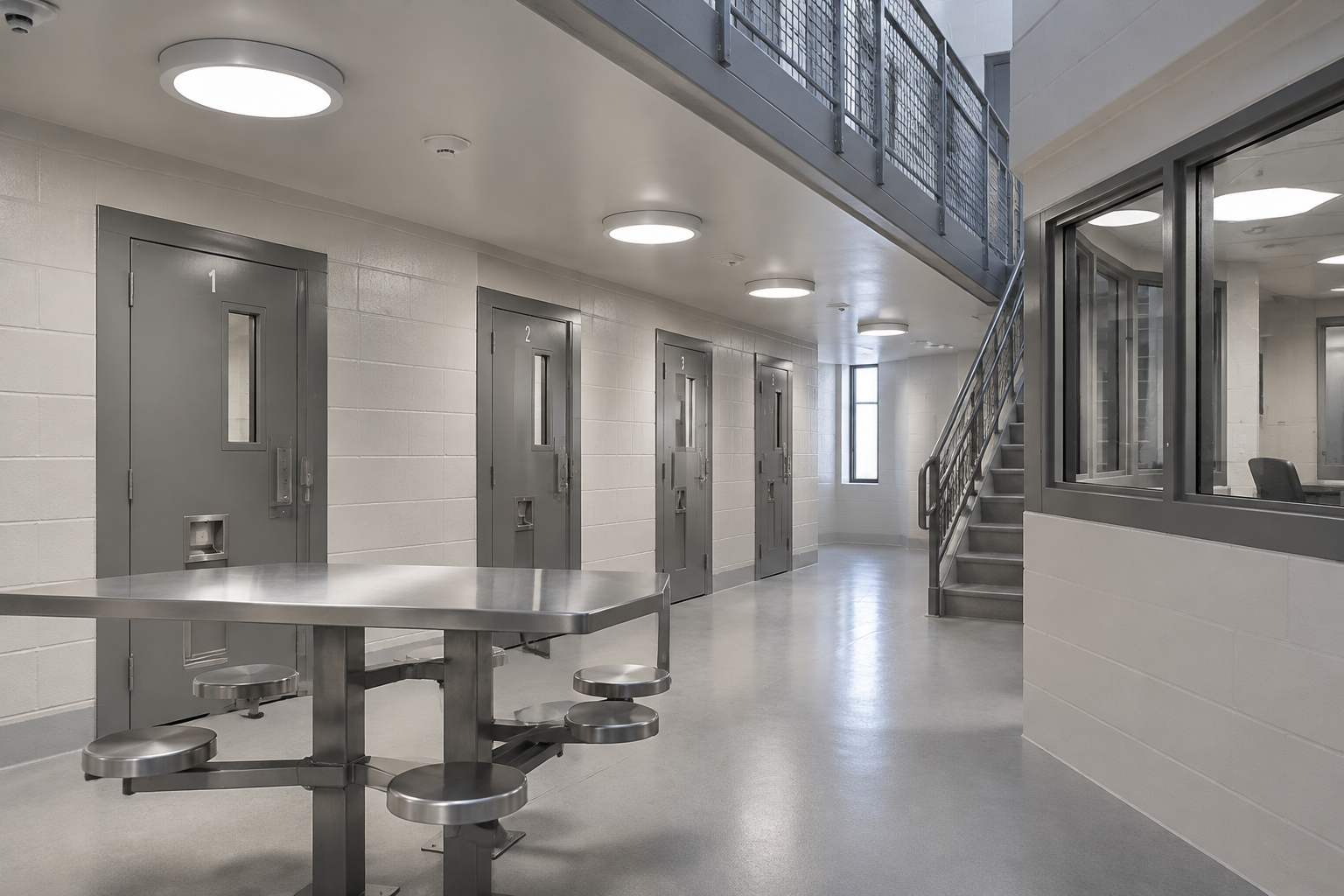
How Do Anti-ligature Features Impact Lighting Design?
Anti-ligature design mandates specific luminaire shapes and mounting to eliminate points for self-harm. This fundamentally constrains luminaire placement and selection, prioritizing safety over all other design considerations. Fixtures must sit perfectly flush against walls and ceilings, with no gaps that could be exploited. Corner-mount luminaires with a 45-degree sloped face are the archetype of anti-ligature design for cells. All edges must be chamfered or rounded, and there can be no external components, however small, that could be used as an anchor point. This rigorous design philosophy ensures the lighting installation itself does not become a security risk.
What Is the Role of Night Lighting in Correctional Cells?
Night lighting provides visibility for staff surveillance without disrupting inmate sleep cycles. It's a critical safety feature, allowing for non-intrusive visual checks. This is typically achieved via a secondary, low-power (1-3W) LED array integrated within the main luminaire. To minimize circadian disruption, an amber or red light source (<2200K) is the recommended specification, as this wavelength is less effective at suppressing melatonin. This 'night-watch' circuit is controlled independently from the main lighting, usually activated centrally by the facility's control system during nighttime hours, ensuring constant, low-level visibility for security personnel.
Why Is Polycarbonate Used Over Glass or Acrylic for Diffusers?
Polycarbonate (PC) is the standard for secure diffusers due to its extreme impact resistance and durability. While toughened glass is strong, it can shatter upon extreme impact, creating dangerous shards. Acrylic (PMMA), common in commercial lighting, is brittle and cracks easily under force. In contrast, polycarbonate can withstand massive, repeated impacts consistent with the IK10 rating (20 joules of energy) and beyond. It will dent, scratch, and deform, but it will not break apart into sharp, weaponizable pieces, making it the only appropriate material for the inmate-facing side of a correctional luminaire.
 Correctional Facility Lighting 2026: Vandal-Resistant Guide: How do anti-ligature features impact lighting design?
Controls, Energy, and Commissioning (DALI-2 / Casambi / Sensors)
Centralized digital control systems like DALI-2 are essential for security, energy management, and diagnostics in a correctional facility. The Digital Addressable Lighting Interface (DALI-2) protocol allows each luminaire to have a unique address. This granularity enables facility managers to control lights in a single cell, a whole block, or the entire facility with precision. Pre-programmed scenes—such as 'Day Mode', 'Night Mode', 'Reading', and 'Emergency Lockdown'—can be activated with a single command. Furthermore, DALI-2 provides crucial feedback on lamp and driver status, flagging failures for proactive maintenance. This diagnostic capability is invaluable in a high-security environment where a single light outage can create a significant security blind spot.
While wired systems like DALI-2 are the gold standard for new builds, wireless mesh systems like Casambi (Bluetooth Low Energy) can be a viable option for retrofitting older buildings where running new control cabling is prohibitive. However, the security of any wireless protocol must be rigorously vetted to prevent unauthorized access or interference.
Presence sensors (PIR or microwave) can be used in staff areas, storage rooms, and some corridors to reduce energy consumption, but are generally not used within cells to avoid false triggers and ensure lighting is dictated by security protocols, not occupancy.
Photometric Files & Compliance (IES / LDT / DIALux / CE / RoHS / ErP)
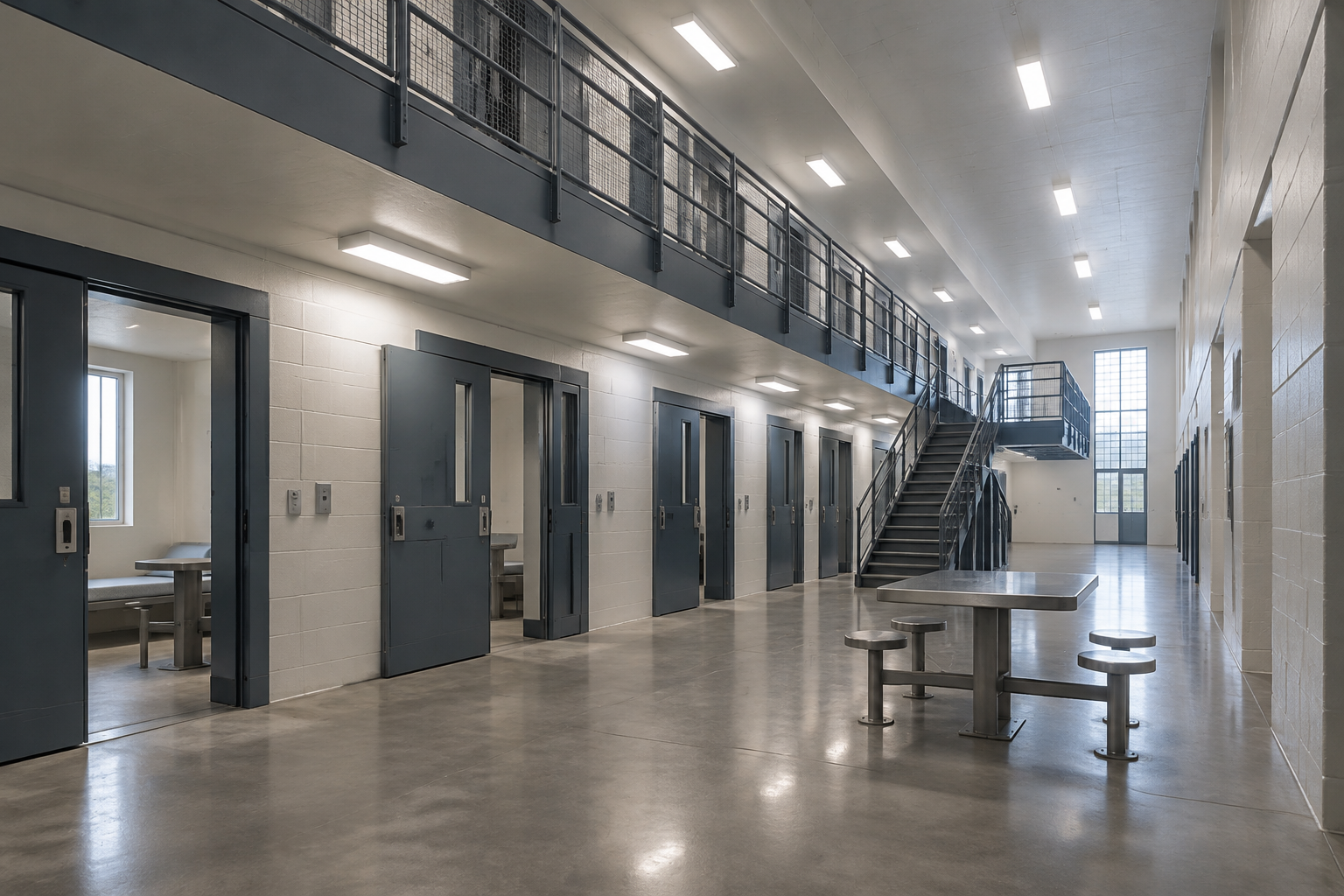
Verifiable photometric data and compliance certification are mandatory for project approval and safety assurance. At XHLWX, we provide comprehensive IES and LDT photometric files for every luminaire. These standardized data files are the digital blueprint of a luminaire's light distribution. Lighting designers and engineers import these files into simulation software like DIALux or AGi32 to model and predict lighting performance with high accuracy. This simulation process is vital for confirming that a proposed design will meet the required illuminance (lux) levels, uniformity, and glare (UGR) targets stipulated by standards such as EN 12464-1 before a single fixture is purchased or installed.
For market access, product compliance is non-negotiable. All luminaires supplied to the EU must be CE marked, confirming they meet EU safety, health, and environmental requirements.
This includes adherence to the RoHS directive, which restricts hazardous substances like lead and mercury, and the ErP directive, which sets minimum energy efficiency standards. For projects in the US, equivalent UL or ETL listings are required.
These certifications are not just paperwork; they are a guarantee of a product's safety, quality, and performance.
 Correctional Facility Lighting 2026: Vandal-Resistant Guide: Photometric Files & Compliance (IES / LDT / DIALux / CE / RoHS / ErP)
Frequently Asked Questions
Q: What Does an IK10 Rating Mean for a Prison Light?
An IK10 rating, defined by the EN 62262 standard, signifies the highest level of mechanical impact protection. The luminaire can withstand a 20-joule impact, equivalent to dropping a 5 kg mass from 400 mm. This ensures the fixture resists extreme vandalism attempts without breaking, preventing the housing or diffuser from being weaponized by inmates.
Q: Is Tunable White or Circadian Lighting Useful in Correctional Facilities?
Yes, it has significant potential for inmate well-being and behavior management. While a static 4000K CCT is common, implementing tunable white systems (e.g., 2700K to 6500K) can help regulate circadian rhythms, potentially reducing stress and aggression. This aligns with WELL v2 L03 guidelines and represents a progressive approach to correctional environment design, though it requires a more advanced control system.
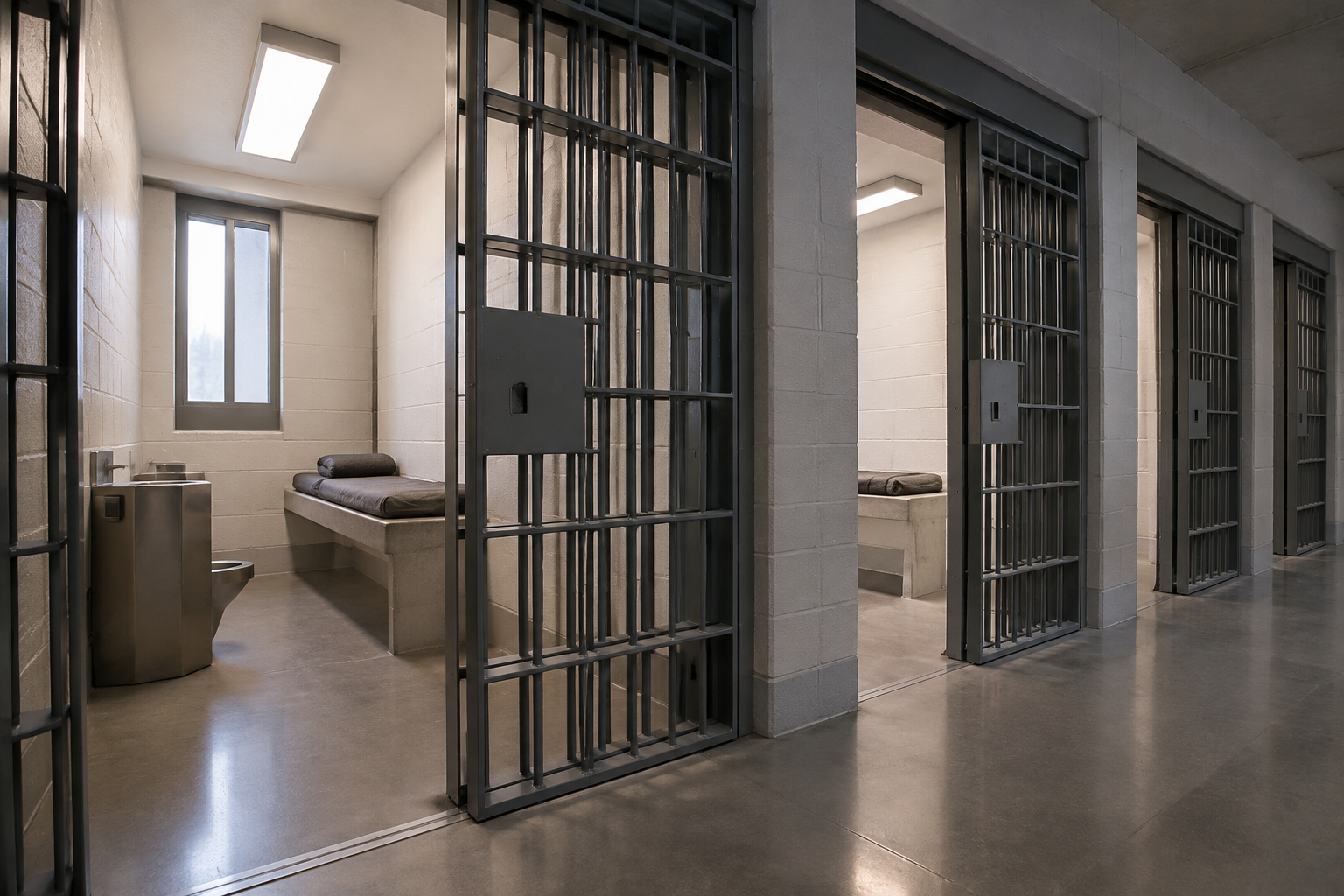
Q: Can Individual Cell Lights Be Controlled by Inmates?
This is a facility management decision, but it is technically possible with DALI-2. While central control is standard for security, systems can be programmed to allow limited, localized control (e.g., a tamper-proof switch for "reading" vs. "general" light levels). This control is always subordinate to central lockdown commands, which can override any local settings instantly for security protocols.
Q: Why Is an IP65 Rating Important If the Light Is Indoors?
An IP65 rating indicates the luminaire is completely dust-tight and protected against low-pressure water jets from any direction. In a correctional setting, this is not for weather protection but for hygiene and durability. It allows for high-pressure hose-down cleaning of cells and prevents tampering by inmates attempting to introduce liquids or foreign objects into the fixture's electronics.
Sources and Technical References
- EN 12464-1:2021: Light and lighting - Lighting of work places - Part 1: Indoor work places.
- EN 62262:2002: Degrees of protection provided by enclosures for electrical equipment against external mechanical impacts (IK code).
- EN 60529:1991 + A2:2013: Degrees of protection provided by enclosures (IP Code).
- IEC 62386 Series: Digital Addressable Lighting Interface (DALI).
- IES RP-30-20: Recommended Practice: Lighting of Houses of Worship and Custodial Facilities.
- WELL Building Standard v2: Light Concept, particularly feature L03, Circadian Lighting Design.
 Correctional Facility Lighting 2026: Vandal-Resistant Guide: Q: Can individual cell lights be controlled by inmates?
Request a Custom Quote
At XHLWX (led-project-light.com), a Custom Indoor LED Lighting Manufacturer based in China, we specialize in developing robust, compliant, and reliable lighting for the most demanding secure environments. Our engineering team can customize IK10+ luminaires with specific optics, control integrations, and housing modifications to meet your project's exact security and performance requirements. We work with architects, engineers, and facility managers across the EU, US, and Middle East to deliver solutions that enhance safety and stand the test of time. Contact us today to request a consultation, IES and LDT photometric files, or a custom quote for your correctional facility project.
Need a tailored lighting plan for your project?
Our senior lighting designers reply within 48 hours with a free design proposal & quotation.