
Dental Clinic Lighting Design 2026: CRI95 5000K Guide
Quick answer
A complete guide to dental clinic lighting design. Learn about CRI95/5000K standards, EN 12464-1 compliance, luminaire selection, and DALI-2 controls for 2026
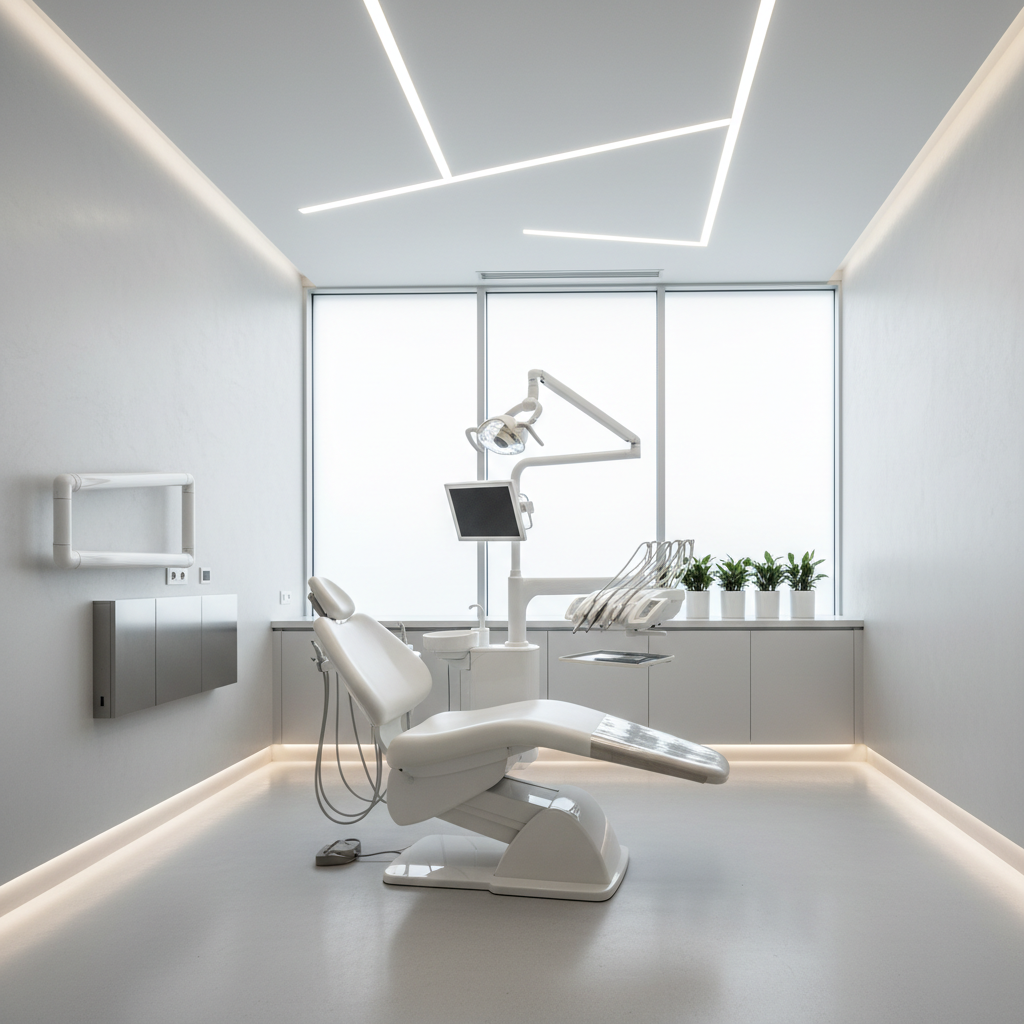
Introduction — the Design Problem in This Space
At XHLWX (led-project-light.com), a Custom Indoor LED Lighting Manufacturer based in China, we understand that dental clinic lighting presents a uniquely demanding design challenge. Proper illumination in a dental setting is not a matter of aesthetics alone; it is a critical component of diagnostic accuracy, procedural success, and patient safety. The core design problem lies in balancing the need for exceptionally high visual acuity and perfect color rendition at the treatment chair with the comfort of the patient and staff, while also creating a welcoming ambiance in non-clinical areas and adhering to strict energy and safety regulations across the EU, US, and Middle East.
Lighting Criteria and Standards for This Application
Effective dental clinic lighting design begins with a deep understanding of key metrics and international standards. A successful lighting scheme must satisfy the stringent requirements for visual tasks performed by clinicians while ensuring a comfortable, low-glare environment. The primary standards governing these spaces are EN 12464-1 in Europe (also referenced by DIN EN 12464-1), IES RP-29-06 in North America, and the WELL v2 Building Standard, which focuses on human health and well-being.
Different zones within the clinic have distinct requirements:
-
Treatment Room (Ambient): This area requires high illuminance and exceptional color rendering to support the primary task lighting. The goal is to reduce the contrast between the highly illuminated patient's mouth (from the operating light) and the surrounding room, minimizing eye strain for the practitioner.
-
Dental Laboratory / Sterilization: These are task-oriented spaces requiring high levels of clean, functional light for precision work, such as crafting prosthetics or handling instruments.
-
Waiting & Reception Area: The focus here shifts from clinical precision to patient comfort.
Warmer, less intense, and more diffuse lighting creates a calming and welcoming atmosphere, helping to reduce patient anxiety.
Meeting these varied needs requires a specification-driven approach, as detailed in the table below, which outlines recommended targets for a high-performance treatment room ambient lighting system.
| Parameter | Recommended Specification | Governing Standard | Notes |
|---|---|---|---|
| Illuminance (maintained) | >1000 lx on the workplane | EN 12464-1 | This ambient level reduces eye strain by minimizing contrast with the dental operating light (often >20,000 lx). |
| Color Temperature (CCT) | 5000 K | IES RP-29-06 | A CCT of 5000 K (daylight neutral) is the industry standard for optimal visual acuity and accurate dental shade matching. |
| Color Rendering Index (CRI) | Ra ≥ 95, R9 ≥ 90 | EN 12464-1 / WELL v2 | Ensures faithful color rendition of tissues and materials. A high R9 value is critical for accurately seeing red tones in gums. |
| TM-30-18 | Rf ≥ 90, Rg ≈ 100 | IES TM-30-18 | A more comprehensive color metric. High fidelity (Rf) and a neutral gamut (Rg) confirm no color distortion. |
| Unified Glare Rating (UGR) | < 19 | EN 12464-1 | Critical for the comfort of both the supine patient looking up and the practitioner, preventing disabling glare. |
| Control Protocol | DALI-2 or Casambi | IEC 62386 | Allows for dimming, scene setting (e.g., 'procedure', 'consultation'), and integration with sensors for energy savings. |
| Housing & Ingress Protection | IP44 (min) / IK05 | IEC 60529 / IEC 62262 | IP44 protects against splashes, necessary in a clinical setting. IK rating denotes impact resistance. |
| Certifications | CE, RoHS, ErP, ISO9001 | EU Directives / ISO | Mandatory for EU market access (CE/RoHS/ErP). ISO9001 indicates quality-controlled manufacturing. |
| Core Components | Samsung / Bridgelux LED Chip | Tridonic / Mean Well Driver | Using name-brand components is a key indicator of reliability, performance, and long-term color stability. |
Luminaire Selection and Optics
Selecting the right luminaire type is crucial for meeting the stringent requirements of a modern dental clinic. The choice of fixture—recessed, surface-mounted, or suspended—and its optical system directly impacts glare control, light distribution, and cleanability. For dental treatment rooms, large-format, low-glare luminaires are preferred over point sources to create a diffuse, shadow-free ambient environment. Microprismatic or nano-structured diffusers are essential for achieving a UGR of <19.
How Does CCT and CRI Impact Dental Shade Matching?
Color temperature and rendering are the most critical optical parameters for accurate dental diagnostics and aesthetics. For shade matching crowns, veneers, and fillings, the lighting must replicate natural daylight as closely as possible. A Correlated Color Temperature (CCT) of 5000K provides a neutral, white light that is standard for such clinical evaluations. Even more important is a high Colour Rendering Index (CRI) of Ra ≥ 95, which measures how accurately the light source reveals the true colors of objects. A high R9 value (the score for rendering saturated red) of >90 is non-negotiable, as it ensures the health and tone of gum tissue are seen without distortion, preventing misdiagnosis or aesthetic mismatches.
What Is the Role of Flicker-free Lighting in a Dental Setting?
Flicker-free lighting is non-negotiable in a clinical setting to prevent eye strain and ensure concentration. Flicker, or Temporal Light Modulation (TLM), is the rapid, often imperceptible, variation in light output from an LED. Even if not consciously visible, it can cause headaches, fatigue, and reduced concentration for dental professionals who spend hours performing visually demanding tasks. High-quality LED drivers, such as those from Tridonic or Mean Well, are engineered to deliver a constant current to the LEDs, eliminating flicker and ensuring a stable, comfortable, and safe visual environment. This is a critical performance specification, not a luxury.
Why Is UGR<19 Critical in Dental Treatment Areas?
A low Unified Glare Rating (UGR) directly translates to better comfort for both patients and dental staff. UGR is a standardized metric for quantifying discomfort glare from luminaires in an indoor space. A value below 19 (UGR<19) is considered a benchmark for high-quality, comfortable lighting in task-intensive areas like offices and clinics. In a dental operatory, this is doubly important. The patient is often in a supine position, looking directly at the ceiling, making them highly susceptible to glare. For the dental team, low glare minimizes visual stress and prevents reflected glare off wet surfaces and dental instruments, improving focus and reducing the risk of errors.
| Luminaire Type | Key Feature | Best Application | Verdict |
|---|---|---|---|
| Standard Recessed LED Panel | Cost-effective, general illumination | Corridors, waiting areas, staff rooms | Suitable for non-clinical spaces where color accuracy and glare are less critical. Typically CRI 80, UGR >19. |
| High CRI/CCT Recessed Panel | Ra > 95, 5000 K CCT | Consultation rooms, dental labs, treatment room ambient | Essential for any area where color evaluation is performed. A baseline requirement for clinical spaces. |
| Low Glare Linear Profile | Microprismatic diffuser, UGR < 19 | Main ambient lighting over and around the treatment chair | The ideal solution for a treatment room's primary ambient light, providing broad, diffuse, and comfortable illumination. |
| Specialized Asymmetric Luminaire | Light directed forward/sideways, not down | Wall-mounted above instrument trays or counters | Complements overhead lighting by illuminating vertical surfaces and task areas without creating shadows or causing direct glare. |
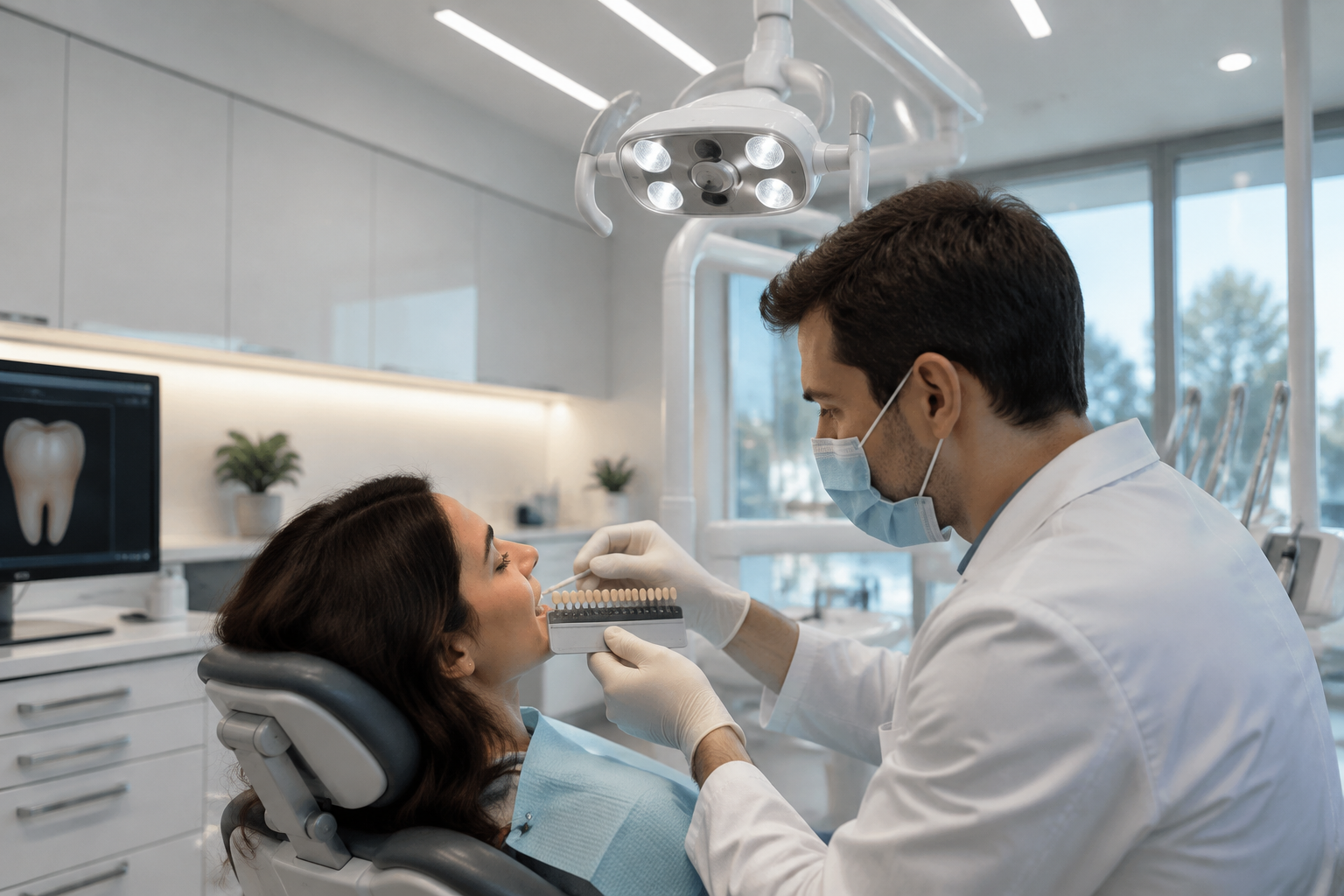 Dental Clinic Lighting Design 2026: CRI95 5000K Guide: How does CCT and CRI impact dental shade matching?
Controls, Energy and Commissioning (DALI-2 / Casambi / Sensors)
Modern lighting controls transform a static installation into a dynamic, efficient, and user-centric system. For dental clinics, implementing a smart control strategy delivers significant benefits in energy savings, operational flexibility, and compliance with regulations like the European Union's Energy related Products (ErP) directive. The two leading protocols for professional settings are DALI-2 and Casambi.
DALI-2 (Digital Addressable Lighting Interface) is the gold standard for wired control in new-build or major renovation projects. Its key advantages include:
- Individual Addressability: Every luminaire can be controlled and monitored independently, allowing for precise zoning and scene-setting. A single wall panel can call up pre-configured scenes like 'Patient Entry' (warm, dimmed), 'Procedure' (full ambient brightness), or 'Cleaning' (100% output).
- Diagnostics: DALI-2 systems provide feedback on lamp/driver status, enabling proactive maintenance rather than reactive repairs.
- Interoperability: As an open standard (IEC 62386), DALI-2 certified components from different manufacturers are guaranteed to work together.
Casambi offers a robust wireless solution using a Bluetooth Low Energy (BLE) mesh network. It is an excellent choice for retrofitting existing clinics where running new control wiring is impractical. It provides much of the same functionality as DALI—including scene-setting, scheduling, and sensor integration—with the ease of commissioning via a smartphone or tablet app.
Integrating occupancy sensors in offices, restrooms, and storage areas, along with daylight harvesting sensors near windows, further automates energy savings by ensuring lights are only on when and where they are needed, and at the appropriate level.
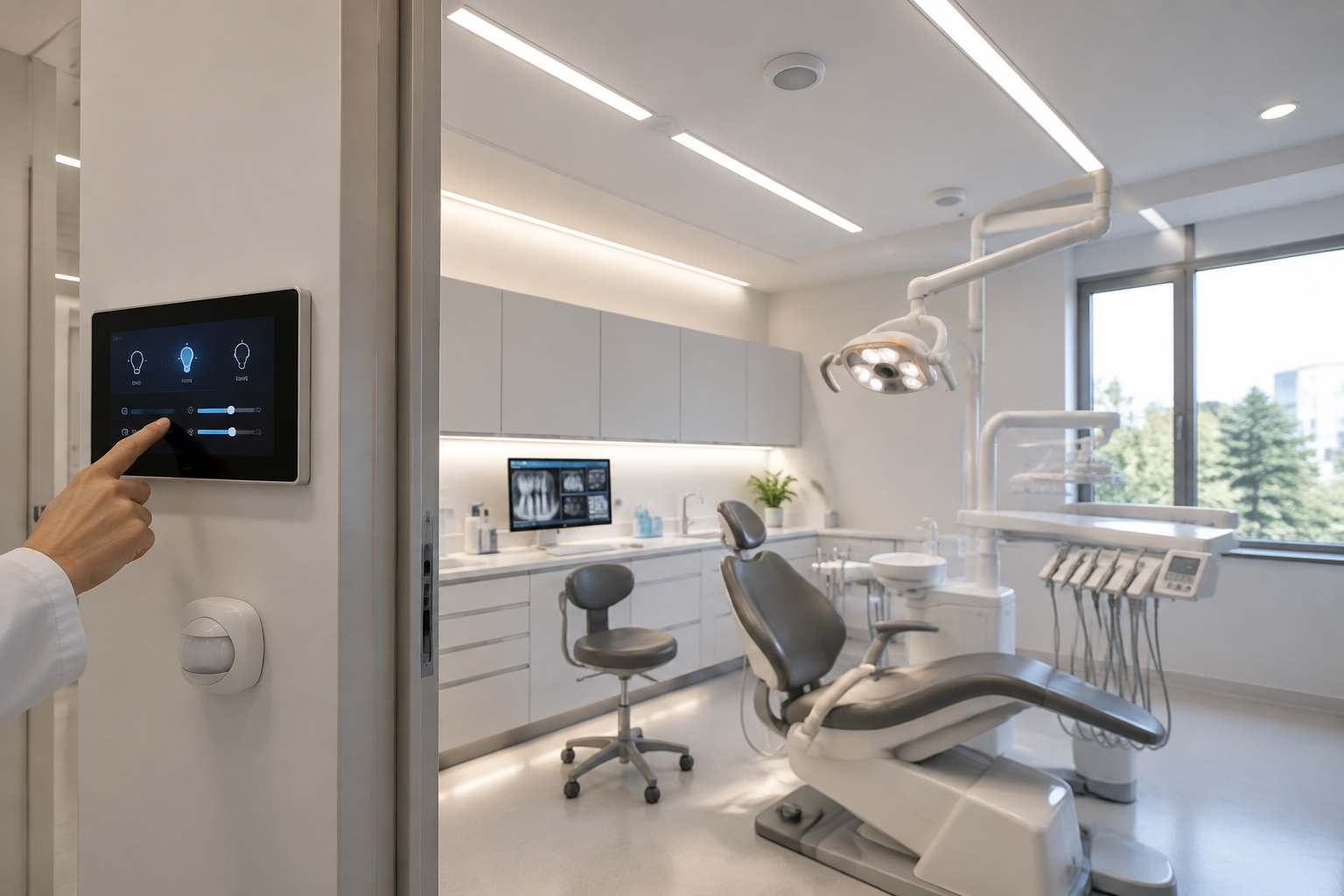 Dental Clinic Lighting Design 2026: CRI95 5000K Guide: Controls, energy and commissioning (DALI-2 / Casambi / sensors)
Photometric Files & Compliance (IES / LDT / DIALux / CE / RoHS / ErP)
Verified photometric data and simulation are essential to guarantee compliance and performance before purchasing hardware. At XHLWX, we provide comprehensive technical support for every custom project, which begins with providing accurate photometric files for our luminaires. These files, typically in IES (Illuminating Engineering Society, North American standard) or LDT (EULUMDAT, European standard) format, are the digital DNA of a luminaire, describing exactly how it distributes light.
Lighting designers and engineers import these IES and LDT photometric files into specialized software like DIALux or Relux. This allows them to create a 3D model of the dental clinic and run simulations to predict the exact lighting performance. These simulations generate reports that prove, before a single fixture is installed, that the design will meet all required targets from EN 12464-1, such as the >1000 lux illuminance level and the UGR<19 glare rating.
This simulation-first approach de-risks the project, ensuring the final installation will perform as specified. Furthermore, all products destined for the European market must be fully compliant with regional directives.
XHLWX ensures its products carry the necessary markings and declarations:
-
CE Mark: Declares conformity with health, safety, and environmental protection standards.
-
RoHS (Restriction of Hazardous Substances): Certifies that the products are free from specific hazardous materials.
-
ErP (Energy-related Products): Mandates minimum energy efficiency levels and performance criteria, including requirements for standby power and driver efficiency.
Frequently Asked Questions
Q: What Are the Minimum Lux Levels for a Dental Treatment Chair?
According to EN 12464-1, the ambient lighting in the treatment room should provide a maintained illuminance of 1000 lux on the workplane. This is separate from the dental operating light, which provides a much higher, focused illuminance of 5,000 to over 20,000 lux directly in the oral cavity. The 1000 lux ambient level is crucial for reducing eye strain.
Q: Why Is a CRI of 95+ Recommended for Dentistry?
A Colour Rendering Index (CRI) of Ra > 95, with a specific focus on a high R9 value (>90), is critical for accurate tooth shade matching and evaluating soft tissue health. It ensures the light source renders colors as they would appear under natural daylight, preventing costly errors in aesthetic dentistry and potential misdiagnosis of oral conditions.
Q: Can I Use the Same Lighting in the Waiting Room and the Treatment Room?
No, different areas have distinct needs. Treatment rooms demand high-CRI, high-illuminance, low-glare technical light (e.g., 5000K, 1000 lx, CRI95+, UGR<19) for clinical precision. Waiting areas prioritize a warm, welcoming ambiance to reduce patient anxiety, better achieved with lower illuminance and warmer color temperature (e.g., 300 lx, 3000K CCT, CRI>80). Using one type for all is both inefficient and ineffective.
Q: What Is the Benefit of DALI-2 Over Simple On/off Switches?
DALI-2 offers significant advantages over simple switches. It allows individual luminaire control, enabling pre-set scenes like "Procedure" or "Consultation" at the touch of a button. It also provides energy consumption data and luminaire status feedback for proactive maintenance, contributing to lower operational costs and compliance with modern energy regulations like the ErP directive. This turns lighting into a managed asset.
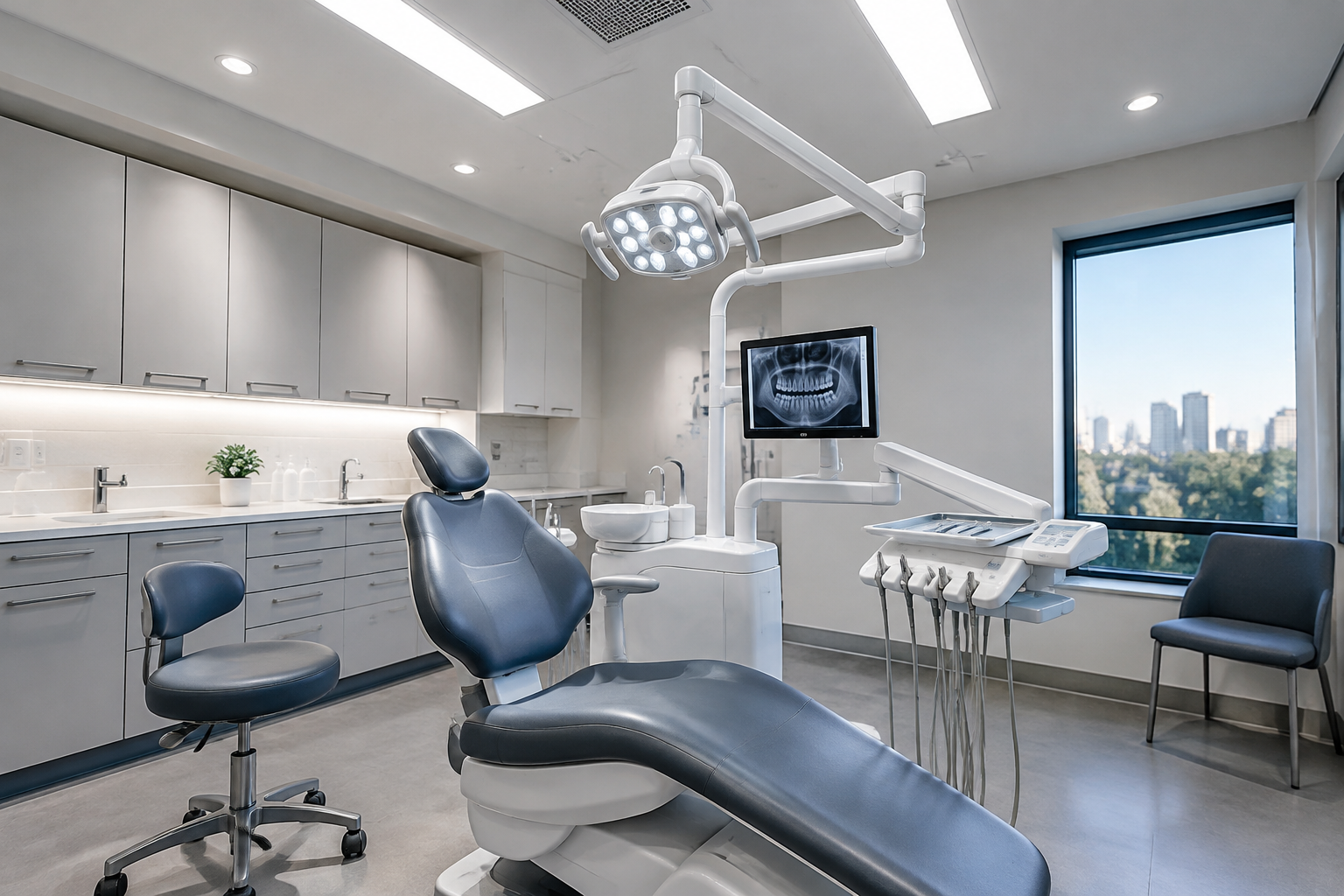 Dental Clinic Lighting Design 2026: CRI95 5000K Guide: Q: What are the minimum lux levels for a dental treatment chair?
Sources and Technical References
- EN 12464-1:2021: Light and lighting - Lighting of work places - Part 1: Indoor work places.
- IES RP-29-06: Recommended Practice for Lighting for Hospitals and Health Care Facilities.
- WELL Building Standard v2: Feature L03, Circadian Lighting Design and Feature L04, Glare Control.
- IES TM-30-18: IES Method for Evaluating Light Source Color Rendition.
- IEC 62386: Digital Addressable Lighting Interface.
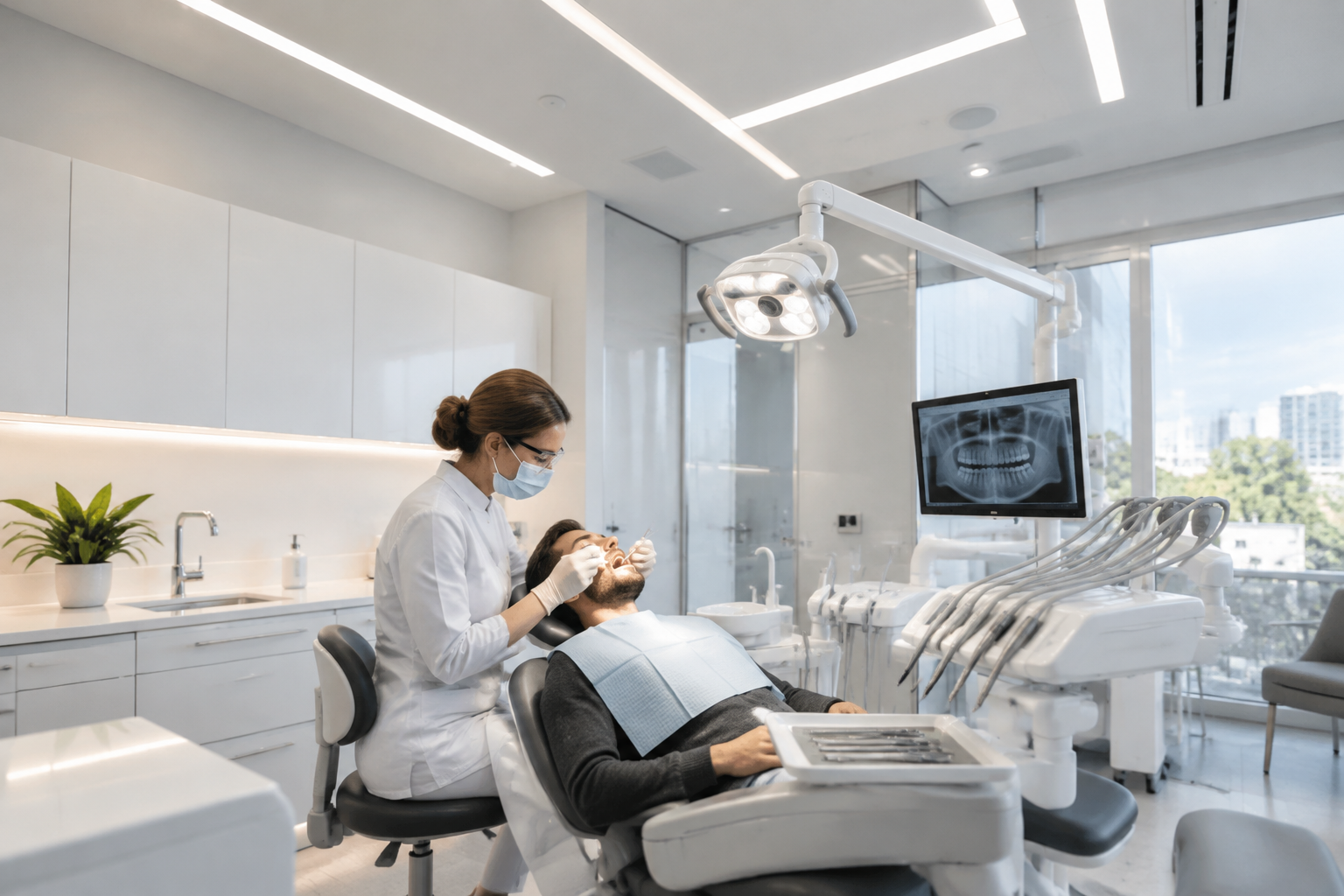 Dental Clinic Lighting Design 2026: CRI95 5000K Guide: Q: What is the benefit of DALI-2 over simple on/off switches?
Request a Custom Quote
At XHLWX (led-project-light.com), a Custom Indoor LED Lighting Manufacturer based in China, we specialize in developing and producing specification-grade luminaires for demanding technical environments like dental clinics. Our engineering team works with architects, designers, and clinic owners across the EU, US, and Middle East to deliver lighting solutions that meet all performance, compliance, and budgetary requirements. We provide full technical support, including DIALux simulations and custom product modifications. Contact us today to discuss your project and request a detailed quotation.
Need a tailored lighting plan for your project?
Our senior lighting designers reply within 48 hours with a free design proposal & quotation.