
Spa & Wellness Lighting Design 2026: IP65 Warm-Dim Guide
Quick answer
Discover how to design immersive spa and wellness lighting. This guide covers IP65 ratings, warm-dim tech, EN 12464-1 standards, and custom LED solutions for
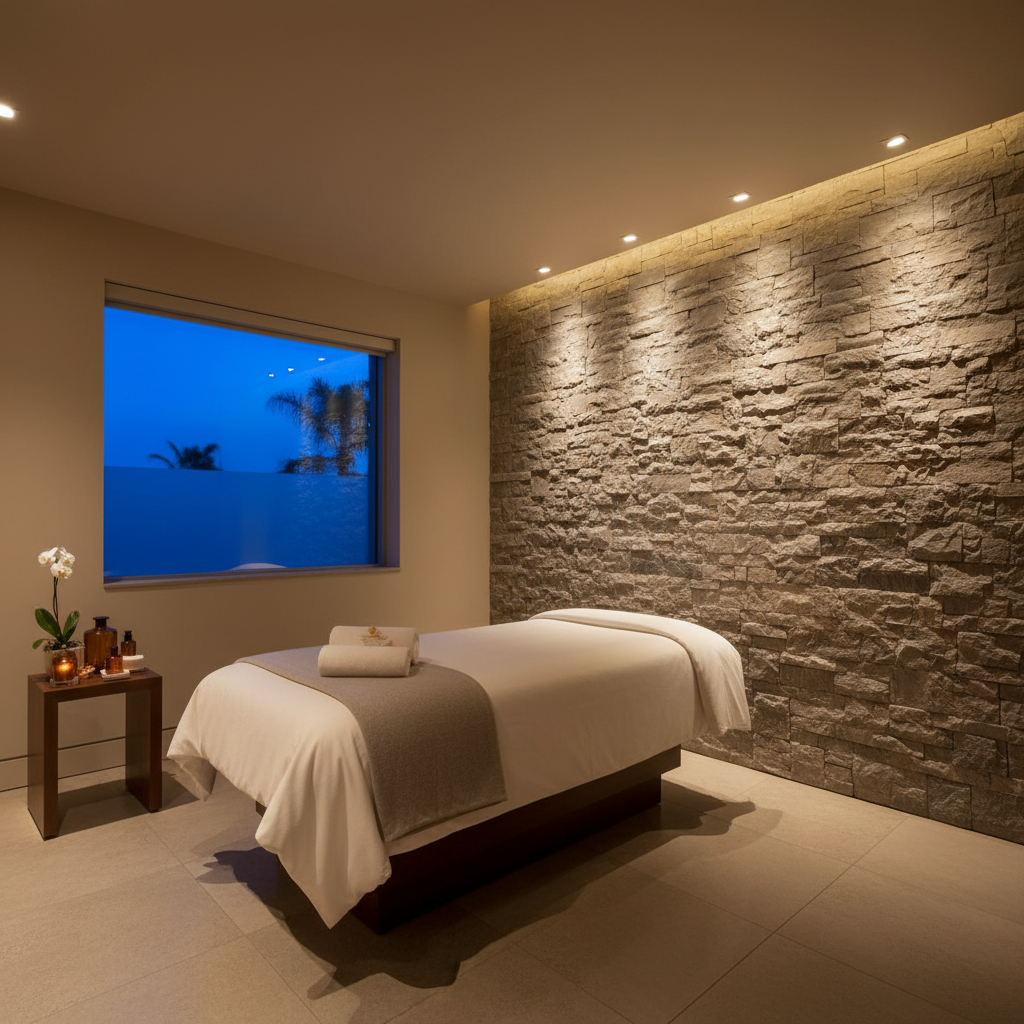
Introduction — the Design Problem in This Space
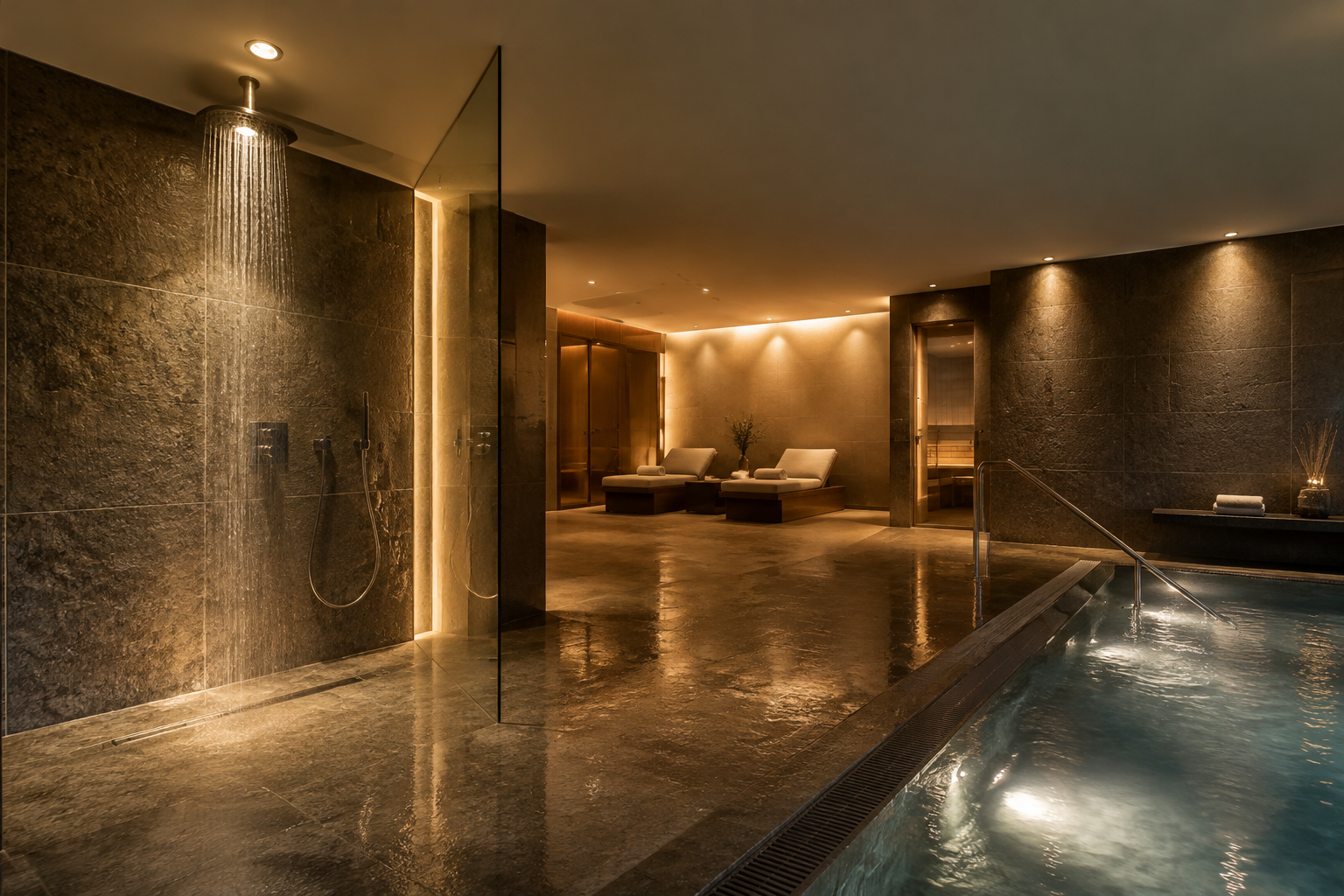
At XHLWX (led-project-light.com), a Custom Indoor LED Lighting Manufacturer based in China, we understand that designing for spas and wellness centers is a unique challenge in architectural lighting. The core design problem is creating a dual-mode environment: one that is bright and functional for cleaning and maintenance, and another that is deeply atmospheric, serene, and safe for guests. This requires a sophisticated blend of art and science, where light not only illuminates but also calms, heals, and enhances the sensory experience. Modern wellness spaces combine dry treatment rooms, relaxation lounges, and challenging wet areas like pool halls, saunas, and steam rooms. Each zone demands specific lighting criteria related to safety, mood, and adaptability, making a one-size-fits-all approach obsolete. The lighting solution must deliver exceptional ambiance while withstanding high humidity, water exposure, and stringent hygiene protocols, all while promoting guest well-being and operational efficiency.
Lighting Criteria and Standards for This Application
Effective spa lighting design is anchored in established international standards and human-centric principles. Key criteria go beyond simple brightness, focusing on visual comfort, safety, and creating a specific biological and psychological response. For European projects, EN 12464-1:2021 provides baseline illuminance (lx) and Unified Glare Rating (UGR) targets, while the WELL v2 Building Standard offers advanced frameworks for promoting occupant health through light. American projects often reference the IES Recommended Practices (RP) series for similar guidance. In wellness environments, the goal is often to provide lower, more uniform light levels (e.g., 100-200 lux in relaxation zones) with exceptionally low glare (UGR < 16) to foster a sense of tranquility. Color quality is paramount, with high CRI (Ra > 90) and favorable TM-30 metrics (Rf > 90, Rg ≈ 100) ensuring that skin tones and natural materials look rich and authentic. For wet areas, Ingress Protection (IP) ratings are a non-negotiable safety requirement.
| Parameter | Recommended Specification | Standard Reference | Notes |
|---|---|---|---|
| Color Temperature (CCT) | Warm-Dim (3000K-1800K) | WELL v2 (L03, L08) | Provides flexibility from functional warm white to intimate candlelight effect. |
| Color Rendering (CRI / TM-30) | Ra > 90 / Rf > 90, Rg > 98 | IES RP-28-20 | Crucial for rendering skin tones and natural finishes accurately in treatment rooms. |
| Glare Control (UGR) | < 16 (Relaxation/Treatment) | EN 12464-1 | Essential for guest comfort, especially when they are supine and looking up. |
| Ingress Protection (IP) | IP65 (Wet Rooms/Pools) | IEC 60529 | Protects against jets of water from any direction, ensuring safety and longevity. |
| Dimming Control | DALI-2 Device Type 8 | IEC 62386 | Enables smooth, flicker-free warm-dimming and individual luminaire control for scenes. |
| LED Chip / Driver | Osram / Samsung LED + Tridonic Driver | Manufacturer Spec | Ensures high efficacy, color consistency (SDCM < 3), and reliable performance. |
| Certifications (EU Market) | CE, RoHS, ErP | EU Directives | Mandatory for market access, demonstrating safety, material, and eco-design compliance. |
Luminaire Selection and Optics
Choosing the right luminaires and optics is where the design vision becomes a physical reality. For spa and wellness centers, the emphasis is on discreet, high-performance fixtures that integrate seamlessly into the architecture. Recessed downlights with deep-set LEDs and darklight reflectors are the workhorses, providing general and accent lighting with minimal glare. Miniature downlights can create intimate starlight effects in ceilings, while IP65-rated flexible linear LED profiles are perfect for concealed cove lighting, wall grazing, and backlighting features. The choice of optic—whether a narrow beam for dramatic accenting or a wide, soft wash for general ambiance—defines how light interacts with the space. For wet rooms and pools, all luminaires must carry a minimum IP65 rating to ensure safety and durability against moisture and cleaning agents. The material finish, such as marine-grade stainless steel or powder-coated aluminum, is also critical for corrosion resistance.
| Lighting Technology | Application Suitability | Pros | Cons | Verdict |
|---|---|---|---|---|
| Fixed CCT (e.g., 3000K) | General areas, back-of-house | Cost-effective, simple | Lacks adaptability, can feel clinical when dimmed | Inadequate for creating the dynamic ambiance required in guest-facing spa areas. |
| Warm-Dim (3000K-1800K) | Treatment rooms, lounges, pools | Mimics natural incandescent dimming, enhances relaxation, simple control | Limited to a pre-set CCT curve, not for circadian rhythm support | Excellent Choice. The best balance of atmosphere, simplicity, and guest experience enhancement for most spa applications. |
| Tunable White (2700K-6500K) | Multi-purpose rooms, vitality pools | Full CCT control for circadian lighting scenes, highly flexible | More complex controls (DALI DT8), higher cost, requires careful programming | Overkill for most relaxation zones, but valuable for spaces used for both energizing and relaxing activities. |
| RGB / RGBW | Feature walls, hydrotherapy pools | Dynamic color-changing effects for chromatherapy | Complex control, can look garish if not used sparingly, lower lumen output | Use strategically for specific therapeutic effects or architectural highlights, not for general illumination. |
How Does Warm-dim Technology Enhance the Guest Experience?
Warm-dim technology directly enhances the guest experience by tapping into innate human psychology. It emulates the familiar, comforting glow of a setting sun or a candle flame, where light becomes warmer in color as it dims in intensity. When a treatment room light is dimmed from a functional 3000K down to an intimate 1800K, it signals the body to relax and unwind. This transition creates a palpable sense of luxury and personal care. It empowers therapists to precisely tailor the environment for a specific treatment—be it a gentle massage or a quiet meditation—transforming the lighting from a utility into an integral part of the therapeutic process itself.
What Are the IP Rating Requirements for Different Spa Zones?
The required Ingress Protection (IP) rating is dictated by a zone's proximity to water. International standards like IEC 60529 define specific zones in bathrooms and wet areas to ensure safety from electrical shock. Zone 0, inside a bathtub or shower, requires submersible IPX7 fixtures. Zone 1, the area directly above a bath or shower, mandates at least IPX4 (splash-proof). Zone 2, the perimeter around Zones 0 and 1, also requires IPX4. However, for general pool halls, steam rooms, and high-humidity environments where pressure jets may be used for cleaning, specifying IP65-rated luminaires across the board is a robust, fail-safe strategy. An IP65 rating ensures protection against dust ingress and low-pressure water jets from any direction, simplifying specification and guaranteeing long-term durability.
Why Is Low-glare (UGR) Lighting Critical in Treatment Rooms?
Low-glare lighting is non-negotiable in treatment rooms because it directly impacts guest comfort. In these spaces, guests spend significant time lying supine, looking directly toward the ceiling. A luminaire with poor glare control creates visual discomfort, eye strain, and distraction, completely undermining the relaxing purpose of the treatment. Standards like EN 12464-1 recommend a Unified Glare Rating (UGR) of less than 19 for general office work, but for premium wellness spaces, the target should be much lower, ideally UGR < 16 or even UGR < 13. This is achieved by using luminaires with deeply recessed LED sources, high-quality nano-reflectors, and honeycomb louvers that shield the light source from direct view, ensuring a tranquil and truly comfortable visual environment.
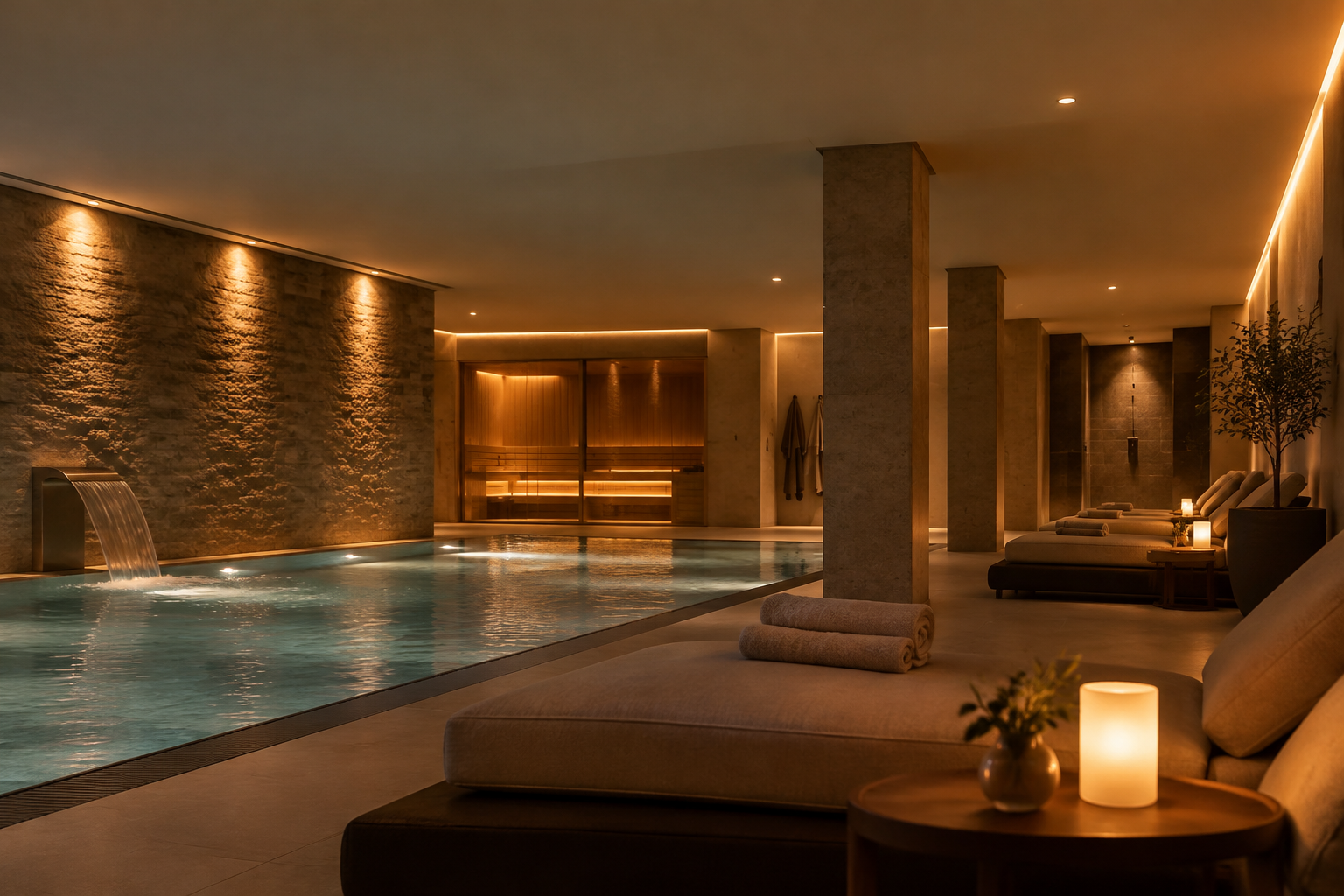 Spa & Wellness Lighting Design 2026: IP65 Warm-Dim Guide: How does warm-dim technology enhance the guest experience?
Controls, Energy and Commissioning (DALI-2 / Casambi / Sensors)
Sophisticated control systems are the brain behind an adaptive and energy-efficient spa lighting scheme. They are essential for executing the dynamic scenes that define the guest journey. DALI-2 (Digital Addressable Lighting Interface) is the gold standard for new builds, offering precise, individual control of each luminaire's intensity and color (using DT8 for warm-dim or tunable white). This allows for pre-programmed scenes like 'Welcome,' 'Treatment,' and 'Relax' to be recalled at the touch of a button. For retrofits or areas where new wiring is difficult, Casambi provides a powerful and flexible wireless solution via a Bluetooth mesh network. Beyond scene-setting, controls integrate with occupancy sensors in changing rooms and daylight sensors in perimeter zones to drastically reduce energy consumption when spaces are unoccupied or have sufficient natural light. Proper commissioning is the final, critical step to ensure that all scenes are programmed correctly and dimming curves are smooth and flicker-free, delivering the intended design flawlessly.
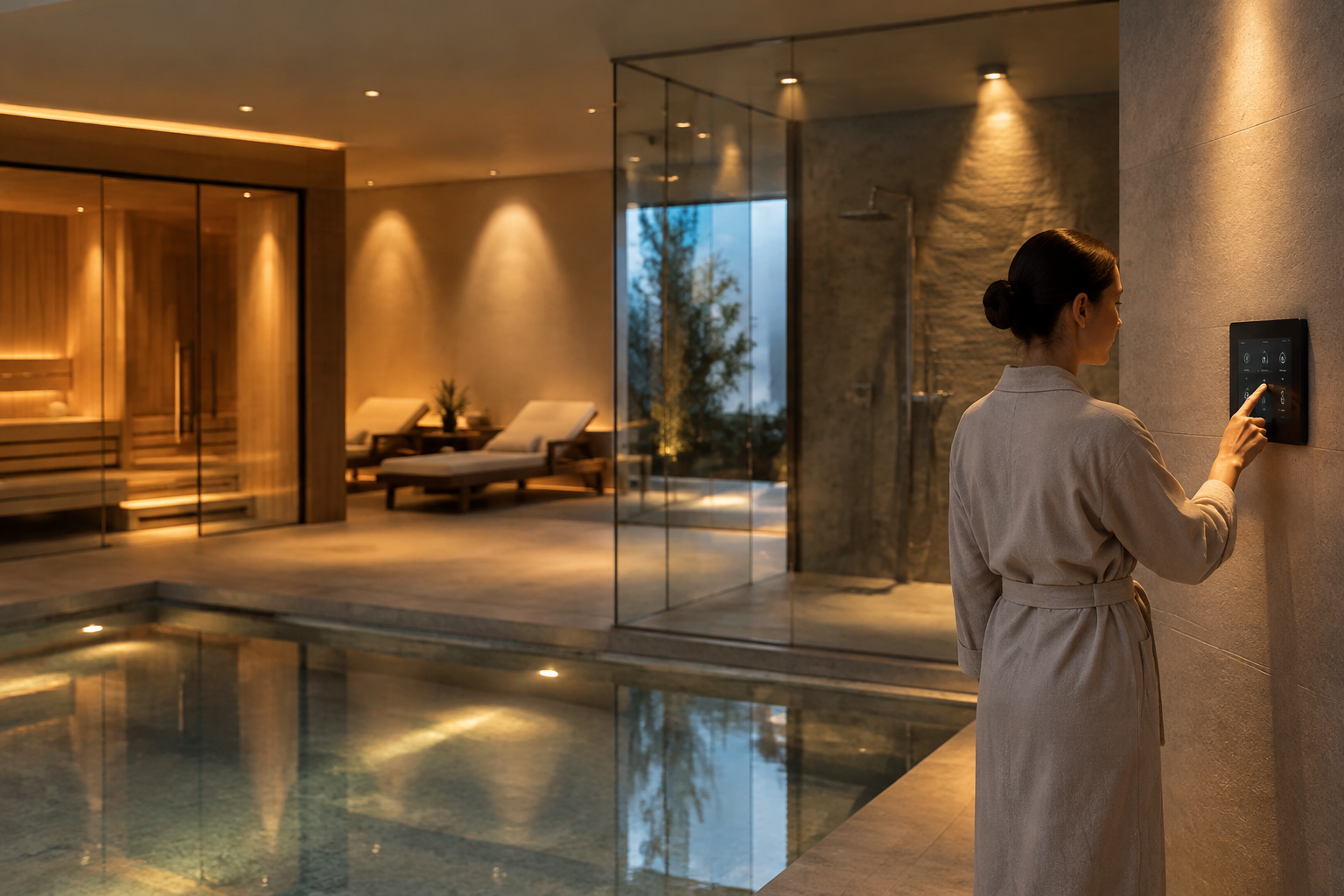 Spa & Wellness Lighting Design 2026: IP65 Warm-Dim Guide: Controls, energy and commissioning (DALI-2 / Casambi / sensors)
Photometric Files & Compliance (IES / LDT / DIALux / CE / RoHS / ErP)
Professional photometric data and verified compliance are the foundations of a successful lighting project. At XHLWX, we provide comprehensive photometric files in IES (for North America) and LDT (for Europe) formats for our entire range of custom luminaires. These data files are crucial inputs for lighting design software like DIALux and Relux. Designers use these tools to create accurate 3D simulations of the spa environment, allowing them to verify illuminance levels, uniformity, and UGR values against project requirements and standards like EN 12464-1 before a single fixture is installed. This simulation process eliminates guesswork and ensures the final result will meet the client's expectations. For market access, all products must demonstrate compliance. For the EU, this means carrying the CE mark (confirming safety), being RoHS compliant (restricting hazardous substances), and meeting ErP (Ecodesign) directives for energy efficiency.
Frequently Asked Questions
Q: What Is the Ideal CCT Range for Warm-dim in a Spa?
The ideal range for warm-dim technology in a spa setting typically transitions from a functional 3000K at full brightness down to a very warm, intimate 1800K at minimum brightness. This 3000K-1800K curve effectively mimics the calming color shift of halogen lamps or candlelight as they dim, providing excellent ambiance. This range offers the flexibility for both general tasks and deep relaxation modes within a single fixture, making it a highly effective choice for treatment rooms and lounges.
Q: Is a CRI of 90+ Necessary for a Wellness Environment?
Yes, a Colour Rendering Index (CRI) of Ra > 90 is highly recommended. In a wellness environment, the accurate rendering of skin tones is crucial for both therapists performing treatments and for guests to feel comfortable and healthy. High-CRI light also brings out the true texture and color of natural materials like wood, stone, and fabrics, which are prevalent in spa design. This attention to color quality significantly elevates the perceived luxury and authenticity of the space.
Q: How Can Lighting Design Support Circadian Rhythms in a Spa?
Lighting can support circadian rhythms, a concept central to the WELL v2 standard, by using tunable white technology. By adjusting the Correlated Color Temperature (CCT) and intensity throughout the day—for example, cooler, brighter light (4000K+) for an energizing morning experience in a vitality pool and warmer, dimmer light (<3000K) for evening relaxation—the lighting system can help reinforce the body's natural sleep-wake cycle. This is particularly effective in spas without access to natural daylight.
Q: What Is the Difference Between IP65 and IP44 for a Wet Room?
The primary difference lies in the level of water protection. An IP44 rating means the fixture is protected against splashing water from any direction, making it suitable for areas like Zone 2 in a bathroom. An IP65 rating offers superior protection; it is 'jet-proof,' meaning it is protected against low-pressure water jets from any direction. For spa wet rooms, steam rooms, and pool areas where pressure washers may be used for cleaning, IP65 is the safer and more durable specification.
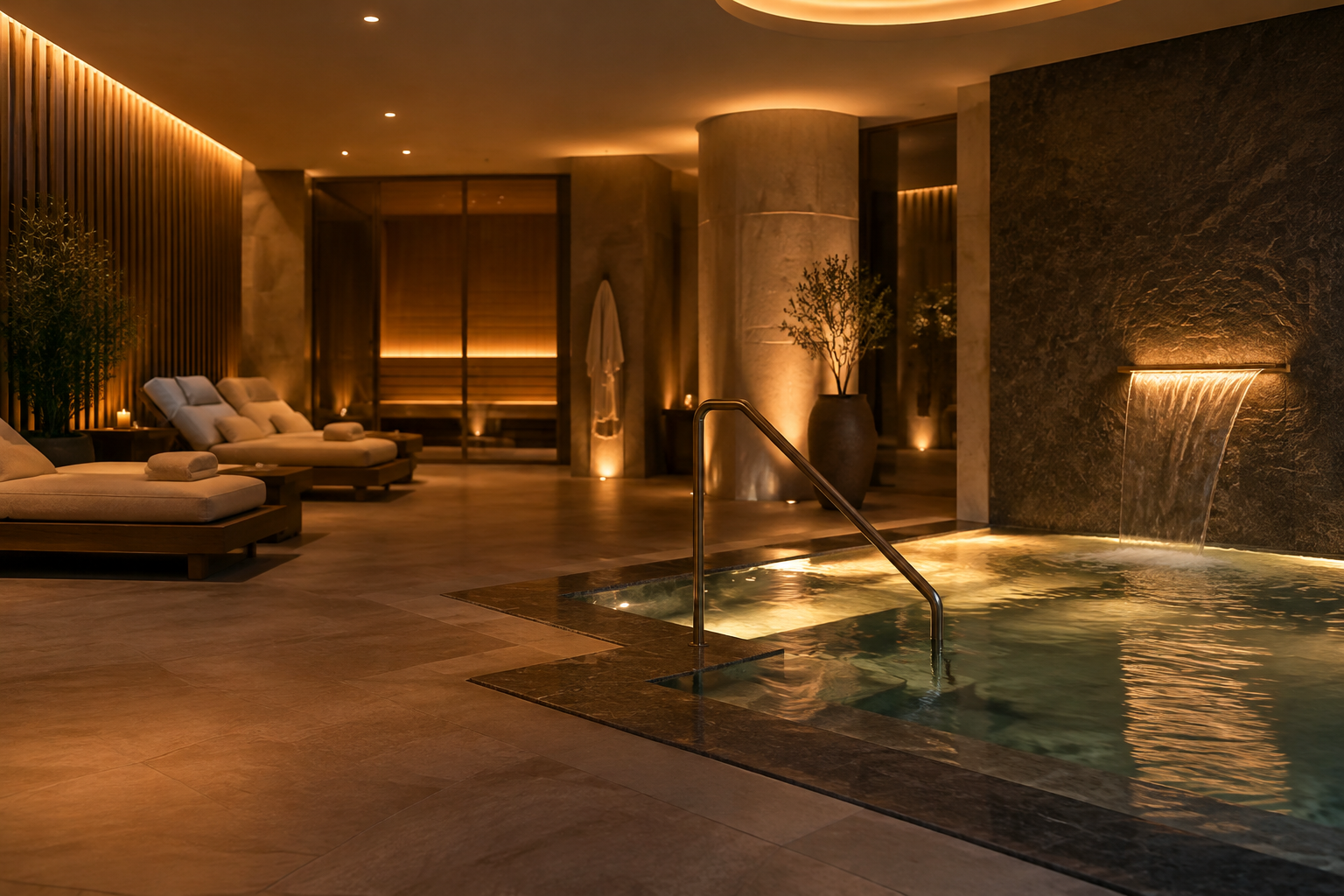 Spa & Wellness Lighting Design 2026: IP65 Warm-Dim Guide: Q: What is the ideal CCT range for warm-dim in a spa?
Sources and Technical References
- EN 12464-1:2021: Light and lighting - Lighting of work places - Part 1: Indoor work places.
- WELL Building Standard v2: The Light Concept (L01-L09).
- IES RP-28-20: Lighting and the Visual Environment for Older Adults and the Visually Impaired.
- IEC 60529: Degrees of protection provided by enclosures (IP Code).
- IEC 62386: Digital Addressable Lighting Interface (DALI).
 Spa & Wellness Lighting Design 2026: IP65 Warm-Dim Guide: Q: What is the difference between IP65 and IP44 for a wet room?
Request a Custom Quote
At XHLWX (led-project-light.com), a Custom Indoor LED Lighting Manufacturer based in China, we specialize in collaborating with architects, lighting designers, and hotel operators to create bespoke LED lighting solutions for demanding environments like spas and wellness centers. From custom-engineered IP65 warm-dim downlights to fully integrated DALI-2 control systems, our team provides the technical expertise and manufacturing capability to bring your unique vision to life. We supply full photometric data (IES, LDT) for DIALux planning and ensure all products meet stringent EU, US, and Middle East certification standards. Contact our solutions team today to discuss your project requirements and request a tailored quote.
Need a tailored lighting plan for your project?
Our senior lighting designers reply within 48 hours with a free design proposal & quotation.